Why 'King of the Kerb' Feels So Dangerous
The meaning of King of the Kerb Echobelly comes through fast: this is a song about local power, image, and intimidation. On the surface, the central figure looks slick and admired. Underneath, they seem to rule through fear, favors, and a system that profits from people feeling unsafe.
"King of the Kerb" - Echobelly
The king of the kerb,
Got a temper in the style of a bomb,
Loading lyrics...
Unable to load lyrics
We're unable to display the lyrics at this time. Please try again later.
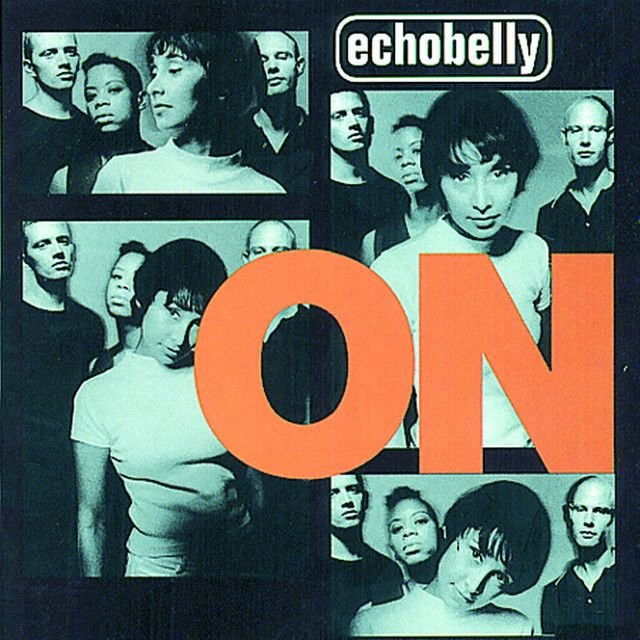
Released in 1995 as the second single from On, the track reached No. 25 on the UK Singles Chart and No. 1 on the UK indie chart, showing how strongly it connected in Britpop-era Britain. It was written by Sonya Madan and Glenn Johansson, and the single version was produced by Paul Kolderie and Sean Slade. Those facts help place the song in its moment: sharp, hooky alternative rock with a social edge.
The street boss at the center
The song introduces someone who seems charming at first, summed up in the phrase sugar smile savvy
. That description matters because it mixes sweetness with calculation. This is not just a brute. They know how to perform likability.
Very quickly, the lyric shifts into something darker. The figure is called the king of the kerb
, which places them on the street, close to the curb, bars, alleys, and corners where unofficial authority often lives. They are not a king in any noble sense. They are a neighborhood operator.
The next details make that clearer. They have a temper in the style of a bomb
, and the local boys know their history. In plain terms, the song paints someone with social reach and explosive force. People around them know what they are capable of, even if nobody says it openly.

Watch the official King of the Kerb
music video
A song about protection and control
One of the smartest things in the lyric is how it links safety to payment. The song suggests that the same person who offers order may also be the reason people feel threatened in the first place. That is why the repeated idea of protection feels so uneasy.
This becomes clearest in the line about someone doing it for you
. Paraphrased, the song is saying: don’t worry, somebody else will handle things. But that promise is not comforting. It sounds like outsourced violence, or at least outsourced pressure.
Interpretation: many listeners will hear the song as a portrait of a small-time crime boss, fixer, or local enforcer. The phrase racket machine
strongly supports that reading. The system described in the song does not look lawful or fair. It looks transactional.
How the verses build the world
Rather than tell a full story, the lyric gives snapshots of a neighborhood ecosystem:
- A charismatic man gains status.
- Friends, followers, or hired hands surround him.
- Bars and alleys become his territory.
- He provides “order,” but the cost is dependence.
- Everyone knows his worth, which may mean his price as much as his value.
That last point is especially sharp. When the song says everybody knows what they are worth, it can mean reputation, but it can also mean market value. In other words, this is a world where loyalty, fear, and service all have a price.
What the chorus really says
The repeated hook gives the song its biggest idea. It keeps naming these figures as the kings of the kerb
, making them sound less like one person and more like a recurring social type.
That matters because the chorus broadens the song. It stops being only about one shady local character and starts sounding like a comment on how neighborhoods, scenes, and even institutions create these men. They are visible, useful to some people, harmful to others, and weirdly accepted.
Interpretation: the chorus may be exposing how communities normalize intimidation when it comes dressed as protection or leadership.
Why the music hits so hard
Echobelly were known for blending melodic guitar pop with a harder alternative-rock bite, and this track is a good example of that style. According to available release information, the single version was produced by Paul Kolderie and Sean Slade, producers also associated with punchy, guitar-forward records of the era. That matters because the song’s sound mirrors its subject.
The guitars drive forward with confidence, while the rhythm section gives the track a clipped, marching push. Sonya Madan’s vocal does not overplay the menace. Instead, they deliver the lines with cool control, which makes the character feel even more real. The music sounds catchy enough for radio, but tense enough to carry the lyric’s threat.
That contrast is a big part of the song’s meaning. The polish reflects the central figure’s surface charm. The pressure underneath reflects the violence and coercion implied by the words.
Artist context sharpens the reading
Echobelly stood apart in the 1990s British guitar scene because their songs often paired bright hooks with pointed observation. On On, they pushed that balance further, writing songs that were immediate but not simple. “King of the Kerb” fits that pattern well.
Its chart success suggests listeners heard more than just a catchy single. They heard attitude, atmosphere, and social detail. The track also sits comfortably within Britpop while avoiding the movement’s most nostalgic habits. Instead of romanticizing the street, it examines who controls it.
Final takeaway on the song’s message
So what is the meaning of King of the Kerb Echobelly? At its core, the song seems to describe a charismatic neighborhood ruler whose authority depends on fear, usefulness, and a protection economy. It studies how power can look attractive even when it is corrosive.
The reason the song lasts is simple: it never turns the character into a cartoon. They are stylish, effective, and dangerous at once. That mix is what makes the song feel so alive.
Disclaimer: This interpretation is based on the lyrics, recording context, and public release information. As with many songs, listeners may reasonably hear different meanings in it.








