The Real Story Behind 'Bad Habits' by Ed Sheeran
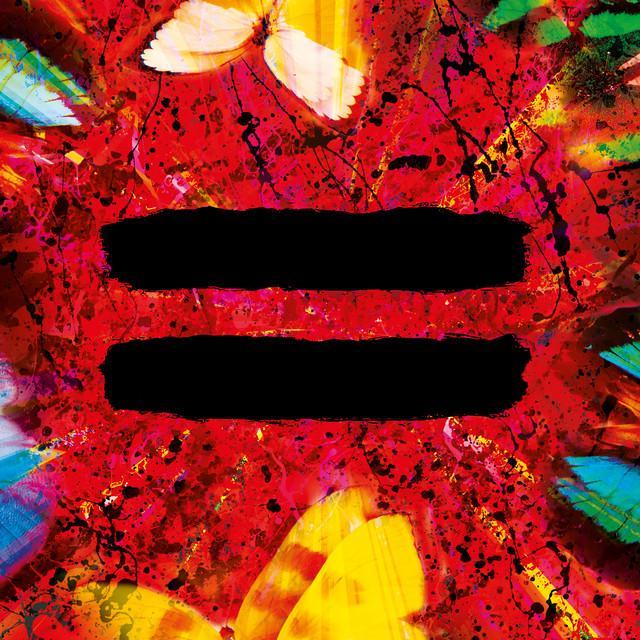
They’ve heard it at parties and on the radio, but the meaning of Bad Habits Ed Sheeran goes deeper than a night-out anthem. Released in 2021 as the lead single from Equals, it became a global smash. Yet under the shimmer is a sober look at addiction, self-control, and the pull of temptation.
"Bad Habits" - Ed Sheeran
Ooh
Every time you come around, you know I can't say no
Loading lyrics...
Unable to load lyrics
We're unable to display the lyrics at this time. Please try again later.
Why This Glittery Hit Feels So Dark
On the surface, the track is pure dance-pop: bright synths, a punchy kick, and hooks built to stick. Underneath, Sheeran frames the story as a cycle he can’t break. When he sings every time the sun goes down
, he signals that night is the trigger and the setting for relapse.
Factually, Sheeran has called the song a confessional about addiction issues. The clean, sparkling production works like a mask—something glossy covering a problem he knows too well. That tension is the heart of the song’s appeal.
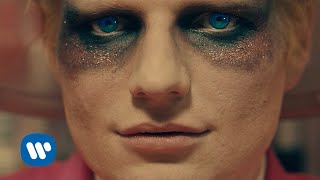
Watch the official Bad Habits
music video
Who’s Talking—and to Whom?
The narrator speaks in first person, addressing a version of temptation—maybe a person, maybe a scene. Lines like I lose control
point to how the “you” symbolizes the bad habit itself, not just a romantic partner.
Interpretation: The “you” can be a composite of nightlife, liquor, flirtations, and the rush of risk. The second person turns the habit into a character he keeps meeting, even when he swears he won’t.
What Actually Happens in the Song
The narrative follows a simple loop:
- Evening arrives; boundaries weaken (
every pure intention ends
). - The night begins with a spark—think
neon lights
—and escalates. - He drifts into strangers, slips into oversharing, and pushes limits.
- By closing time, there’s regret and emptiness (
late nights ending alone
).
Interpretation: The loop is important not because it’s dramatic, but because it’s ordinary. Most bad habits don’t explode; they repeat. The chorus returns again and again to mirror how the cycle feels.
How the Chorus Locks in the Theme
The hook lands like a confession. He admits the behavior, predicts the fallout, and still can’t stop. A line like nothing happens after two
functions as self-advice: a boundary he knows but keeps crossing. Pair that with looking for a way out
, and the chorus becomes a snapshot of regret happening in real time.
Interpretation: The refrain isn’t just catchy; it’s a coping strategy said out loud. By repeating it, he tries to talk himself out of the spiral—yet the music’s rush keeps sweeping him back.
Production Choices That Sell the Temptation
Musically, Bad Habits is set around 126 BPM in B minor—club-friendly and urgent. The beat is four-on-the-floor with crisp claps, while synth arpeggios and pads lift the pre-chorus into a bright surge before the drop. That lift feels like the first drink: a glow, a promise, a quick confidence.
Sheeran’s vocal stacks are tight and clean, and the melody climbs into a sweet, compressed chorus that’s impossible to shake. The polish is intentional; it mirrors the allure—how bad choices can feel slick and exciting. Production from Fred Gibson (Fred again..), Johnny McDaid, and Sheeran stitches pop precision to a darker lyric core, sharpening the contrast.
Symbols, Video, and the Vampire Mirror
In the video, Sheeran plays a vampire in a hot-pink suit. It’s a neat metaphor: a charming, nocturnal self that comes alive after dark and disappears at sunrise. The transformation back to human when daylight hits seals the point—the fun version drains the real one. The color and chaos underline how good the rush can look, right up until it burns out.
Interpretation: The vampire isn’t about evil; it’s about compulsion. The monster is a mood—an alter ego that ignores limits, feeds on thrills, and can’t sustain daylight.
Alternate Readings Worth Considering
- Romantic dependency. The “you” could be a specific lover whose presence triggers the spiral. The pattern—chase, thrill, regret—fits a cycle of emotional addiction.
- Fame and lifestyle. For a star, late shows, after-parties, and travel blur boundaries. The habit might be the career’s rhythm itself.
Both lenses fit because the language is open, and the feelings—temptation, rush, fallout—cut across alcohol, attention, and risky love alike.
Why It Hit So Big Anyway
The contradiction sells it. Listeners can dance to the beat and still feel the sting of the words. It’s a pop Trojan horse: a catchy shell carrying a hard truth. That mix helped it dominate charts worldwide, including a long run at No. 1 in the UK and a No. 2 peak in the U.S.
Takeaway
If they’re looking for the meaning of Bad Habits Ed Sheeran, it’s this: temptation is a cycle, not an event. The song shines a bright light on the moment we know better—and go anyway. Its power comes from honesty wrapped in neon.
Disclaimer: Interpretation is subjective. This analysis combines reported facts with critical inference, and different listeners may reasonably hear it another way.









