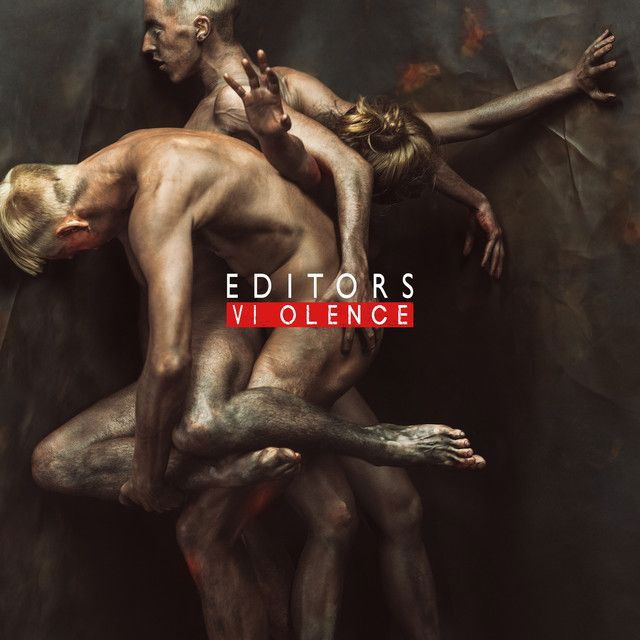
Why ‘Hallelujah (So Low)’ Burns With Guilt
The meaning of Hallelujah (So Low) Editors comes from a clash of opposites: praise and despair, salvation and shame, power and helplessness. Released in 2018 as the second single from Violence, the song turns a religious-sounding word into something tense and wounded. Rather than sounding peaceful, its “hallelujah” feels dragged through pain.
"Hallelujah (So Low)" - Editors
My bones lay with dust in your care
Just don't leave this old dog to go lame
Loading lyrics...
Unable to load lyrics
We're unable to display the lyrics at this time. Please try again later.
Factually, the song appeared on Editors’ sixth album, Violence, and frontman Tom Smith said it was shaped by a moving trip with Oxfam to refugee camps in Northern Greece. That context matters. It helps explain why the lyrics sound haunted by suffering, dependence, and the search for moral relief rather than simple romance.
The Heart of the Song Is Atonement
At its core, the song is about someone facing human pain and trying to make sense of their own response to it. The repeated phrase hunt for atonement
is the key. They are not celebrating redemption as something complete. They are chasing it, almost desperately, as if forgiveness is still far away.
That idea gives the title its force. “Hallelujah” usually suggests uplift, but paired with “so low,” it becomes ironic and broken. The song seems to ask: what does praise even mean when people are suffering in plain sight? That tension is the engine of the whole track.
Interpretation: The speaker sounds like someone who has seen suffering up close and feels both moved and implicated. They are not claiming purity. They seem shaken by the fact that survival can look random, and grace can feel undeserved.

Watch the official Hallelujah (So Low)
music video
The Verses Paint Bodies, Dust, and Decline
The opening images are physical and grim. When the singer says I bleed like a millionaire
, the line suggests a person whose pain is real but still marked by privilege. Everyone bleeds, but not everyone bleeds from the same position. The phrase hints at guilt: even suffering can be cushioned by status.
Another striking image is dust in your care
. It reduces the body to something fragile, nearly lifeless, and dependent on another person or system to survive. In light of Smith’s comments about refugees “living in dust” during an Oxfam trip, the line feels less abstract. It echoes scenes of survival, exposure, and reliance on outside help.
Then comes the plea old dog to go lame
. This is one of the song’s plainest and saddest images. It sounds like a fear of being abandoned when weak, discarded when no longer useful. That line widens the song’s meaning beyond one crisis. It speaks to a basic human terror: being left behind.
A Broken Prayer in the Chorus
The chorus does not resolve the song. It intensifies it. Instead of offering comfort, so low
keeps pulling the mood downward, while “hallelujah” rises above it like a cry that cannot fully escape the ground.
So low
Hallelujah
hunt for atonement
This is the article’s clearest emotional knot. The song sounds like a prayer, but one spoken from the floor rather than the heavens. The repeated hook works because it keeps two truths together: there is still a desire for grace, and there is no easy way to feel innocent.
Interpretation: The chorus may suggest that faith, hope, or moral awakening only arrives after a collapse. In that reading, “hallelujah” is not triumph. It is what a person whispers after being forced to see what they had ignored.
How the Sound Carries the Meaning
Editors described the track as their most rock-oriented song, even though it still sits inside an electronic-rock frame. Produced by Leo Abrahams, it hits with pounding drums, distorted synth textures, and a vocal performance that sounds strained rather than polished. That matters because the arrangement mirrors the song’s emotional conflict.
The beat drives forward like urgency. The synths feel metallic and bruised, matching what Clash called a “raw and bruised” digital production. NME heard echoes of Depeche Mode, which makes sense: the song fuses dark electronics with a near-religious intensity.
Nothing in the production feels soft or resolved. The sound is dense, hard, and pressurized. That is why the track does more than tell listeners about guilt and atonement; it makes them feel the push and weight of those ideas.
Two Strong Ways to Read It
There are at least two useful readings of the song.
A moral reckoning with real-world suffering
Given Smith’s refugee-camp experience, the strongest factual context points to a song about witnessing crisis and feeling morally unsettled by it. Lines about dust, care, and atonement fit that frame. The speaker seems confronted by the gap between their own life and the lives of those who survive on the help of others.
A personal confession of spiritual collapse
The song also works on a private level. Phrases like another name
suggest the wish to be remade, to shed an old self stained by failure or shame. In that reading, the speaker is asking for renewal while fearing they do not deserve it.
Both readings can live together. That is part of what makes the song strong: public grief and private guilt blur into one another.
Why the Song Still Lands
The meaning of Hallelujah (So Low) Editors lasts because it refuses cheap uplift. It uses the language of prayer without pretending that prayer fixes everything. They built a song where conscience sounds loud, bruised, and unresolved.
For listeners, that is the real power of it. The track is not about clean redemption. It is about the moment before redemption, when a person sees suffering clearly and realizes that any “hallelujah” worth saying must pass through the lowest point first.
Disclaimer: This interpretation is based on the lyrics, documented artist context, and the song’s production choices. As with any song, listeners may hear different meanings.








