Why 'The Racing Rats' Feels So Unsettling
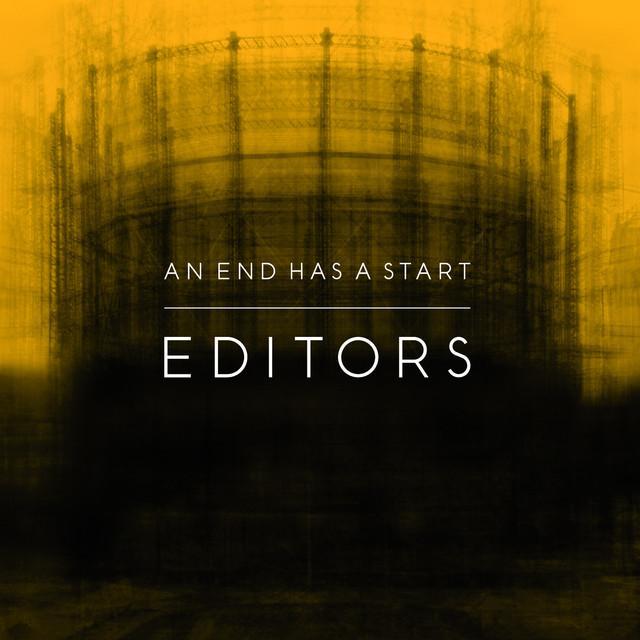
The meaning of The Racing Rats Editors comes from a clash of two feelings: ordinary pressure and sudden disaster. The song sounds like someone trying to function, compete, and survive while carrying a deep fear that life can break apart at any moment.
"The Racing Rats" - Editors
Fall down to my knees, begin my nightmare
Words spill from my drunken mouth
Loading lyrics...
Unable to load lyrics
We're unable to display the lyrics at this time. Please try again later.
Editors built their reputation on dark, emotionally direct alternative rock, and this track fits that identity well. It was written by Christopher Dominic Urbanowicz, Edward Owen Lay, Russell Leetch, and Thomas Michael Smith, the core members of the band during that era. Those credits are widely listed in official discographies and music databases.
A Song About Pressure, Loss, and Fragility
At its core, the song describes a mind under strain. The speaker sounds shaken before the first verse is even over. When they imagine absence and collapse, the emotion feels bigger than a simple bad day. It feels like panic mixed with grief.
One of the clearest clues is the phrase racing rats
. They use that image to suggest a harsh social race, like everyone is scrambling for safety or success. The line about trying to win makes the world feel competitive, but also dehumanized.
Interpretation: the song may be about how people keep chasing progress even when they are emotionally exhausted. In that reading, the “race” is not noble. It is desperate.
Watch the official The Racing Rats
music video
The Voice Moves Between Warning and Confession
Another reason the song feels tense is its shifting point of view. At times, the speaker sounds like they are confessing fear. At other times, they seem to address someone else with warning and care.
The phrase Slow down, little one
softens the song for a moment. It sounds protective, almost parental. But that comfort does not last long, because the warning continues with control, delay, and danger. Even play and freedom feel unsafe.
That creates a strange emotional split. They are trying to protect someone, yet they are also trapped in the same fearful world. The song’s intimacy makes the stakes feel personal, not abstract.
The Catastrophe Image at the Center
The biggest image in the song is the repeated question about a plane falling from the sky. It is not presented as a detailed story. Instead, it works like a mental flash: a huge accident imagined in physical terms.
If a plane were to fall from the sky
How big a hole would it leave
That brief refrain turns emotional pain into visible destruction. Rather than simply saying a loss hurts, the song asks how large the damage would be. The “surface of the earth” makes the scale feel enormous.
Interpretation: this can represent trauma itself. A single event can leave an impact much larger than outsiders expect. The question is almost scientific on the surface, but emotionally it is about aftermath.
Scenes of Towns, Sunsets, and Dust
The lyrics also move through outdoor images: the edge of town, the skyline, the sun going down, dust settling, and night beginning. These details ground the song in a physical world, but they also suggest endings.
The sunset imagery matters because it marks transition. Day does not gently close here. It feels like visibility is being lost. Likewise, the line about dust settling implies that some kind of shock has already happened, even if the song never explains it plainly.
This is where the meaning of The Racing Rats Editors gets richer. The song is not just about one event. It is about living in the shadow of possible collapse, where every scene seems touched by finality.
How the Sound Carries the Fear
Editors were often associated with post-punk revival and alternative rock, and this track uses those strengths well. The rhythm pushes forward with urgency, while the guitars and atmosphere create a sense of expanding dread.
Tom Smith’s vocal style is important too. He tends to sing with gravity rather than casual conversation, and that makes even plain images feel severe. When the melody rises, the emotion does not feel freeing. It feels like pressure building.
The production supports that reading. Instead of sounding loose or raw, the arrangement feels controlled and tense. That contrast mirrors the lyric idea of people trying to keep order while disaster hovers overhead.
Two Strong Ways to Read It
There is more than one plausible reading of the song:
- Personal loss reading: The opening lines can sound like fear of losing someone close. In this view, the song tracks grief, denial, and the emotional crater left behind.
- Social anxiety reading: The title image and competitive language suggest a wider critique of modern life. In this reading, people are pushed to keep running even when the system feels cold and destructive.
Both readings fit because the song stays intentionally open. It never narrows itself to one literal event.
Why the Song Still Connects
What makes the track memorable is how it blends private emotion with public-scale imagery. It takes feelings many people know, such as dread, helplessness, and urgency, and gives them massive symbols.
So, the meaning of The Racing Rats Editors is best understood as a meditation on emotional impact: how fear spreads, how loss reshapes reality, and how people keep running anyway. The song does not offer clean comfort. It offers recognition.
Final Thought
Editors make anxiety sound cinematic here. They show a person trying to live normally while sensing that one absence, one mistake, or one disaster could change everything.
Disclaimer: This interpretation is based on the lyrics, performance, and known band context. Like many Editors songs, it remains open to multiple valid readings.