Why 'Oh Happy Day' Still Feels Transformative
The meaning of Oh Happy Day The Edwin Hawkins Singers starts with a simple idea: spiritual change can feel immediate, personal, and joyful. This is not a sad hymn about guilt. It is a celebration of renewal. The song turns faith into a public shout of relief, turning private salvation into a group experience.
"Oh Happy Day" - The Edwin Hawkins Singers
(Oh, happy day)
Oh, happy day
Loading lyrics...
Unable to load lyrics
We're unable to display the lyrics at this time. Please try again later.
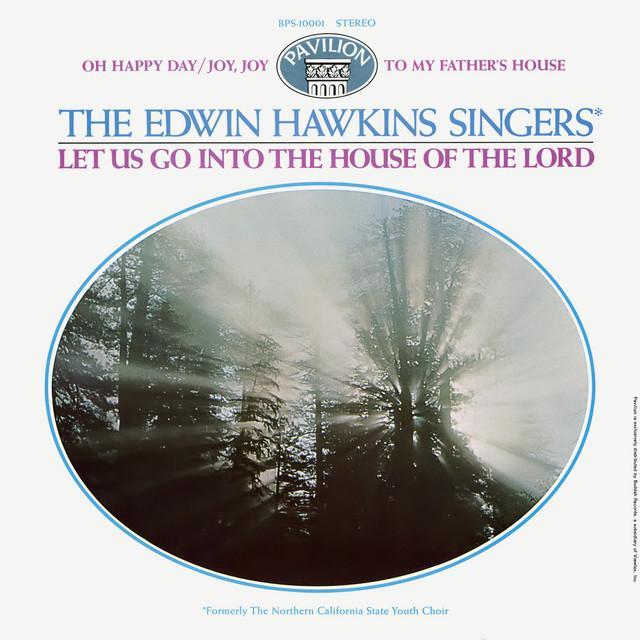
Recorded in 1967 at Ephesian Church of God in Christ in Berkeley and released as a hit single in 1969, the Edwin Hawkins Singers' version helped bring gospel to a huge pop audience. According to the Wikipedia entry, it reached No. 4 on the U.S. chart and sold millions worldwide. That success matters because the song's meaning is tied to its reach: a church-rooted testimony crossed over without losing its devotional core.
A Joy Song With a Testimony Inside
At heart, the song is about the day a believer feels cleansed and changed by Jesus. The repeated hook, Oh, happy day
, is not just cheerfulness. It points to a turning point, the moment life is understood as made new.
The central image is direct: washed my sins away
. In Christian language, washing stands for forgiveness, purification, and a fresh start. The lyrics do not build a long story with scenes and characters. Instead, they circle one life-changing event and keep returning to it until it feels emotionally present.
That repetition is the point. They sing as if the joy is too big to explain only once.
Watch the official Oh Happy Day
music video
How the Lines Build the Message
The song keeps moving between what happened and what changed afterward. First comes the saving event, then the new way of living. A key phrase is He taught me how
, which shifts the message from rescue to discipleship.
In other words, salvation is not presented as a single emotional high and then nothing else. It leads into practice, discipline, and daily faith. The brief line fight and pray
gives that idea real force. The singer is not saying life becomes easy. They are saying spiritual strength now exists for everyday struggle.
That is why another recurring word matters: everyday
. The song celebrates one great day, but it also says the effects of that day continue. Joy is not fleeting here. It becomes a habit of life.
From Old Hymn to Modern Gospel Fire
One reason the song feels so alive is that Edwin Hawkins did not simply perform an old hymn as written. He reshaped a text linked to the 18th-century hymn tradition into a modern gospel arrangement. The familiar refrain remained, but the musical setting changed dramatically.
Hawkins adapted the feel into 4/4 time, which made it groove in a way that connected with contemporary listeners. He also brought in a piano opening that gave the record a modern lift. Brief historical accounts note that he cited Sérgio Mendes as an influence on that introduction, which helps explain why the recording feels both sacred and current.
Factual context: the hit version features lead vocals by Dorothy Combs Morrison and was recorded with the choir in a church setting. That background matters because the record never sounds overly polished or distant. It sounds lived in.
Why the Performance Feels So Convincing
Dorothy Combs Morrison's lead vocal is a huge part of the song's meaning. She does not sing like someone reciting doctrine. She sounds like someone experiencing it in real time. Her phrasing, push, and ad-libs make belief sound embodied.
He taught me how
to watch, fight and pray
Those lines deepen the song because they move beyond celebration into instruction. The happiness in the chorus is matched by readiness in the verse material. Joy and vigilance belong together.
The arrangement supports that message. The track begins with a lighter, more contained feel, then opens into full choir, handclaps, and crescendo. That musical growth mirrors spiritual release. What begins as a testimony from one voice becomes a communal affirmation.
A Gospel Song That Broke Into Pop Culture
The recording's crossover success also shapes how people hear it today. It won a Grammy and was later added to the National Recording Registry by the Library of Congress, a sign of its cultural weight. Its legacy stretches through films, cover versions, and major live events, including its appearance in Summer of Soul through the 1969 Harlem Cultural Festival. The song did not just become famous; it became a standard.
That popularity does not weaken its spiritual meaning. If anything, it proves how clearly the song communicates. Even listeners outside church traditions can hear its emotional arc: burden, release, gratitude, and shared uplift.
Interpretation: More Than One Kind of Cleansing
Interpretation: In strict religious terms, the song is about Christian salvation through Jesus. That is the clearest and most factual reading.
Interpretation: But many listeners also hear a broader message in it. The language of being made clean and taught how to live can connect to recovery, moral renewal, surviving hardship, or finding hope after shame. That does not replace the gospel meaning. It shows why the song travels so well across settings.
Why It Still Lands Today
The lasting power of the meaning of Oh Happy Day The Edwin Hawkins Singers comes from the way it joins doctrine, emotion, and rhythm. Its words are simple. Its message is direct. Its performance is ecstatic without feeling fake.
They turned an old hymn into a modern declaration that faith can sound joyful, physical, and collective. The song says transformation is real, and then its arrangement makes that transformation audible.
That is why it still feels bigger than nostalgia. It is not only about a past moment of belief. It is about what happens when a person, and then a whole room, starts to live as if grace has already arrived.
Disclaimer: This article offers a good-faith interpretation of the song based on its lyrics, recording history, and public context. Meaning can vary by listener.







