Why 'Getting Away with It' Still Stings
The meaning of Getting Away with It Electronic comes from a tension the song never fully resolves: it sounds sleek, catchy, and almost effortless, yet its lyrics are full of shame, imbalance, and self-accusation. That contrast is why the song still lands so hard.
"Getting Away with It" - Electronic
I've been forcing myself not to forget just to feel worse
I've been getting away with it all my life
Loading lyrics...
Unable to load lyrics
We're unable to display the lyrics at this time. Please try again later.
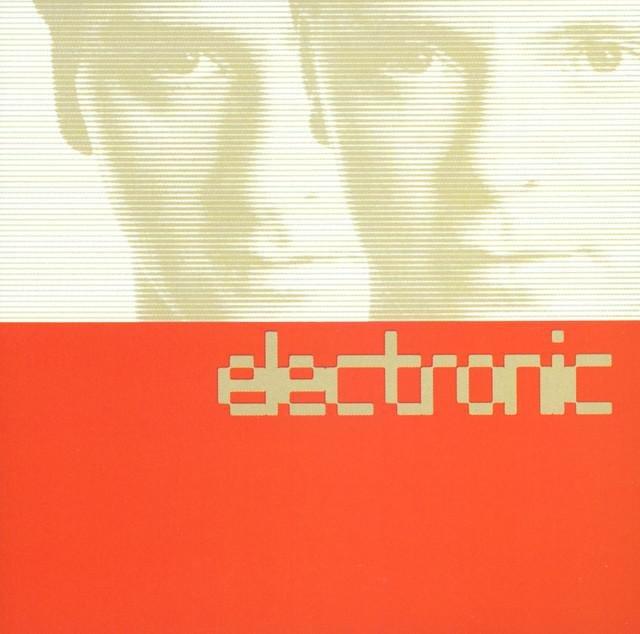
Released as Electronic’s debut single on December 4, 1989, the track brought together Bernard Sumner and Johnny Marr, with Neil Tennant co-writing and singing lead vocals on the record’s best-known version. That collaboration is well documented in sources on Electronic and Pet Shop Boys. The lineup matters because the song blends Marr’s melodic guitar instincts, Sumner’s cool melancholy, and Tennant’s sharp, literate phrasing.
A Love Song That Admits Defeat
At its core, the song is about loving someone more than they love you. But it does not present that feeling as noble or romantic. Instead, it sounds like a person taking inventory of their own bad habits while realizing that love has exposed them.
The central confession is simple: I love you more than you love me
. Rather than building to a dramatic breakup, the song circles that thought again and again, as if the narrator cannot stop testing the wound. They know the relationship is uneven, and that knowledge makes every verse feel more raw.
Interpretation: the title phrase suggests more than getting away with bad behavior. It hints at a whole life lived by emotional evasion. The narrator may have avoided honesty, guilt, or vulnerability for years, but this relationship breaks that pattern.

Watch the official Getting Away with It
music video
The Verses Turn Self-Criticism Into Story
One of the song’s smartest moves is how it links emotional pain to deliberate self-punishment. Early on, the narrator describes walking in rain on purpose and holding onto memory just to feel worse. That is not ordinary heartbreak. It is someone almost staging their own sadness.
Short phrases like get wet on purpose
and feel worse
show a mind that keeps choosing discomfort. The song does not blame the other person alone. It keeps turning inward.
That inward turn grows sharper with I hate that mirror
. The mirror is not just about appearance. It becomes a symbol of self-recognition, even self-disgust. The narrator sees their flaws clearly and cannot hide from them.
I've been getting away with it all my life
Getting away with it
This brief refrain works like a thesis statement. It suggests a lifelong pattern of escaping consequences, perhaps by charm, denial, or emotional distance. But the song’s irony is that they are not really getting away with anything now. Love has made them face themselves.
A Pop Hook With a Guilty Conscience
Musically, the song softens the blow without erasing it. Electronic was formed by Bernard Sumner and Johnny Marr, two musicians already associated with major British bands, and Tennant’s involvement brought a stronger synth-pop polish to the debut era, as noted in coverage of Pet Shop Boys. The result is a track that feels airy and elegant even while the lyrics cut deep.
That polished sound is part of the meaning. The beat moves lightly. The arrangement leaves space. The vocal delivery stays controlled rather than collapsing into melodrama. All of that makes the confession feel more believable, not less.
Instead of shouting pain, the song presents it with style. That restraint fits late-1980s British pop, where emotional damage was often framed through poise and wit. In that sense, the production does not decorate the words; it sharpens their loneliness.
Why the Title Phrase Matters So Much
The title can sound smug on first listen. But in context, it feels almost accusatory. The narrator says they have been getting away with it
all their life, yet every detail in the song suggests the bill has come due.
They can no longer hide behind detachment. Even the line about being an original sinner
makes the self-image larger and darker. It hints at someone who sees their flaws as old, basic, and deeply rooted.
Interpretation: the song may be about emotional fraud as much as romance. The narrator has perhaps spent years performing coolness, selfishness, or repression. Falling hard for someone exposes that performance and leaves them defenseless.
The Collaboration Gives the Song Its Split Personality
The song’s emotional complexity also comes from who made it. Sumner came from New Order’s mix of dance rhythms and sadness. Marr brought bright, articulate guitar lines from his work with the Smiths and beyond. Tennant added a voice known for irony, distance, and carefully shaped emotional detail.
That three-way blend helps explain why the track feels both intimate and guarded. It is vulnerable, but never messy. Pop, rock, and electronic textures sit together in a way that mirrors the lyric’s split between confession and control.
There is also a broader historical angle. By 1989, synth-pop and alternative dance had already reshaped British pop, drawing on a synthesizer tradition that reached back to pioneers such as Wendy Carlos, whose work helped normalize electronic sound in mainstream listening. Electronic arrived at a moment when those worlds could merge naturally, and this song shows that crossover at its most emotionally effective.
So What Is the Song Really Saying?
The best reading is also the simplest: this is a song about what happens when a person who is used to hiding from themselves suddenly cannot. Unequal love is the trigger, but the deeper subject is self-knowledge.
The meaning of Getting Away with It Electronic is not that the narrator has won. It is that they have finally been caught by their own feelings. The bright melody makes that realization easier to replay, but no less painful.
That is one interpretation, not a confirmed statement of intent. Like many great pop songs, it leaves room for listeners to hear their own history in it.








