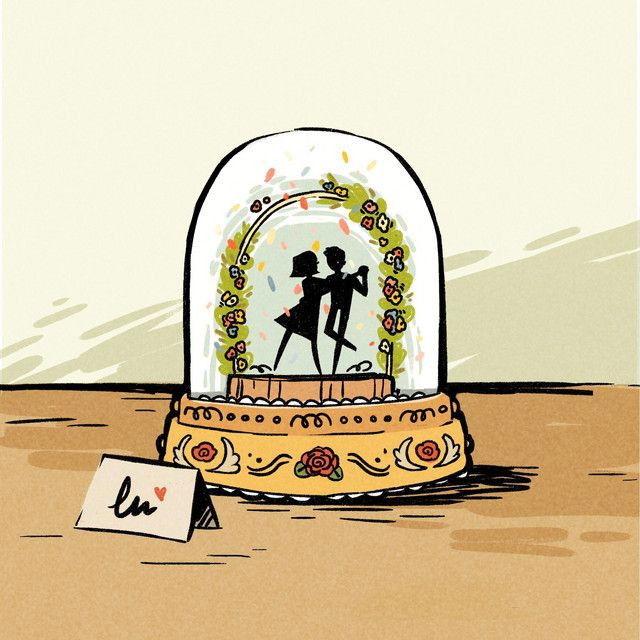
Weakness by Eli Noir
The meaning of Weakness Eli Noir centers on a hard truth: sometimes the person they want most is also the person they should avoid. This song is not about simple romance. It is about being caught between desire, loneliness, and self-awareness.
"Weakness" - Eli Noir
But you know you don't own me, wanna be my one and only
Tonight
Loading lyrics...
Unable to load lyrics
We're unable to display the lyrics at this time. Please try again later.
Even without a lot of extra story detail, the lyrics make the emotional conflict clear. The narrator knows this connection hurts them, yet they still return to it. That gives the song its pull. It sounds like a confession from someone who sees the pattern but has not broken it yet.
A Push-Pull Story at the Song’s Core
From the opening, the song sets up an uneven dynamic. The other person reaches out only when they need comfort, summed up in the phrase when you're lonely
. Right away, the narrator recognizes the imbalance. They understand they are being treated like a temporary fix, not a true partner.
That awareness matters. The song is not about being fooled completely. It is about seeing the problem and still feeling drawn in. When the narrator says the other person does not own them, they are trying to reclaim power. But the rest of the song shows that this power is shaky.
Interpretation: This makes "Weakness" feel less like a breakup anthem and more like a relapse song. The real battle is not only with another person. It is also with their own habits.
Why the Chorus Hits So Hard
The chorus gives the song its emotional thesis. When the narrator repeats You're my weakness
, they reduce a messy relationship to one painful idea: this person overrides good judgment.
The next lines deepen that idea. Phrases like lose control
and Hate to be alone
show that the attachment is tied to fear as much as desire. They are not only attracted to this person. They are vulnerable to the emptiness that appears when that person is gone.
This is what makes the chorus effective. It is direct and simple, but it reveals several feelings at once:
- desire
- dependency
- shame
- loneliness
- confusion
The repeated question about how to refuse or move on suggests they already know the relationship is bad for them. They just do not know how to stop wanting it.
The Narrator Knows Better—and Still Goes Back
One of the strongest parts of the lyric is how often the narrator admits their own role in the cycle. Midway through, the song shifts from blaming the other person to examining the self. That is where it becomes more interesting.
Instead of staying in accusation, the narrator says, in effect, that they also think about this person in lonely moments. The phrase I'm so weak
is blunt, almost harsh toward the self. It sounds like someone frustrated by their own choices.
That self-awareness keeps the song grounded. Many relationship songs paint one side as all good and the other as all bad. "Weakness" is more honest than that. The other person may be unreliable, but the narrator also sees how their own loneliness feeds the cycle.
A Clear Emotional Timeline
The song’s story unfolds in a tight loop:
- The other person reaches out when they need someone.
- The narrator feels hurt and used.
- Physical and emotional longing take over.
- Loneliness makes the bond feel hard to resist.
- They ask how to let go, but the pattern repeats.
That circular structure mirrors the subject itself. They are stuck in repetition, so the song repeats too.
Sound and Structure as Meaning
No production credits were provided here, so any reading of the sound should stay careful. Still, based on the lyric structure alone, the song appears built around repetition and a sticky hook, which fits the theme well.
A song about emotional weakness should not feel too complicated. It should feel immediate, even obsessive. Repeating key lines gives the impression of thoughts they cannot shut off. The chorus likely acts like a mental return point, just as the relationship does.
Interpretation: If the production leans pop or alt-R&B, that would make sense for this subject. Smooth melodies can soften the pain, while a steady beat can mimic the inevitability of going back again. In songs like this, the contrast between polished sound and messy feeling often strengthens the message.
Marc Indigo’s Writing and the Song’s Plain-Spoken Style
The user-provided credits say the song was written by Marc Indigo. That matters because the lyric style is very clean and conversational. There is little heavy metaphor here. Instead, the writing relies on plain statements, emotional repetition, and direct confession.
That approach suits the material. A song about being trapped in a familiar mistake does not need abstract imagery. It needs honesty. The line about wanting to let you go
works because it is so ordinary. Most listeners have felt that exact conflict, even if their situation looked different.
This also helps explain why the song is easy to connect with. It uses common emotional language, but it places those feelings in a pattern many people know well: being wanted only in moments of need, then missing that person anyway.
The Deeper Meaning of Weakness Eli Noir
So, what is the meaning of Weakness Eli Noir in one sentence? It is about knowing a relationship is unhealthy and still feeling powerless to leave because loneliness makes desire feel stronger than reason.
There are at least two valid readings:
- Interpretation 1: It is a song about a toxic on-and-off romance.
- Interpretation 2: It is about emotional dependency itself, with the other person acting as the trigger.
Both readings fit the lyrics. The song works because it captures the moment when clarity and craving exist at the same time.
Final Take
"Weakness" turns a simple hook into a sharp emotional portrait. It shows how people can recognize a bad pattern, speak it out loud, and still not escape it. That honesty is what gives the song its sting.
This article offers an interpretation based on the lyrics and provided credits. As with any song, listeners may hear different meanings depending on their own experiences.








