Burn by Ellie Goulding: Why the Fire Feels Shared
Ellie Goulding’s “Burn” sounds simple at first: huge chorus, bright synths, and a hook built for radio. But the meaning of Burn Ellie Goulding goes deeper than a basic party song. It turns fire into a symbol for confidence, connection, and the thrill of a moment that feels bigger than ordinary life.
"Burn" - Ellie Goulding
'Cause we got the fire
And we're burning one hell of a something
Loading lyrics...
Unable to load lyrics
We're unable to display the lyrics at this time. Please try again later.
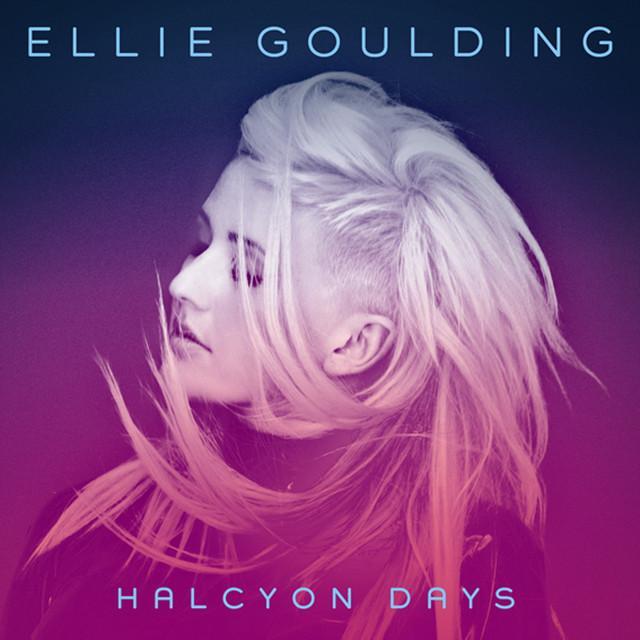
Released in 2013 as the lead single from Halcyon Days, the reissue of Halcyon, “Burn” became one of Goulding’s biggest hits, reaching No. 1 in the UK and later peaking at No. 13 on the Billboard Hot 100 in the U.S. The song was written by Ellie Goulding, Ryan Tedder, Greg Kurstin, Noel Zancanella, and Brent Kutzle, with Greg Kurstin producing and Tedder handling vocal production.
The Song’s Core Message Glows in the Word “We”
What stands out first is the song’s point of view. Instead of focusing on one person’s heartbreak or desire, it speaks in a group voice. That matters. The opening idea says they do not need fear because they already have the spark. When Goulding sings we got the fire
, the song frames power as something shared.
That choice makes “Burn” feel communal. It could describe friends on a dance floor, a crowd at a concert, or even a generation trying to feel seen. The line about being visible from far away pushes that idea further: this is not private emotion hidden in a room. It is emotion made public, bright, and impossible to ignore.
Interpretation: The song suggests that joy becomes stronger when people experience it together. The repeated “we” turns personal excitement into group identity.

Watch the official Burn
music video
Fire, Light, and the Need to Be Seen
The main images are fire, stars, matches, and sky. All of them point toward heat and brightness, but also toward visibility. The song keeps returning to the idea of lighting up so no one can miss them. In plain terms, they are not asking for permission to exist quietly. They are claiming space.
A short phrase like light it up
sounds like a club command, but it also works as a metaphor for self-expression. The same is true of giving love to the world
. That line shifts the song away from selfish escape. Their energy is not just for themselves; it spills outward.
This is why the hook matters. Let it burn
does not sound destructive here. It means allowing passion, movement, and feeling to keep going instead of shutting them down too early.
We can light it up, up, upSo they can't put it out
In that brief section, the song makes its emotional goal very clear: protect the spark once it starts.
A Party Anthem With a Wider Meaning
On the surface, “Burn” is absolutely built like a nightlife anthem. It mentions being on the floor, staying awake, and not wanting the moment to end. Those details support the most common reading: people are dancing, losing their inhibitions, and living in the present.
But the lyrics are broad enough to support more than that. Interpretation: the night out may be a setting, not the whole point. The party becomes a model for freedom itself. In that reading, the song is about what happens when doubt fades and people allow themselves to feel alive.
That helps explain why the chorus is so repetitive. Repetition here acts like momentum. Rather than adding new plot details, the song deepens one emotional state until it feels almost physical.
How the Production Turns Meaning Into Sound
The track’s production is a big reason the message lands. “Burn” sits in electropop and synth-pop, with pounding drums, crisp programmed beats, and glossy synth layers. Kurstin’s production creates lift and brightness, while Goulding’s airy, slightly breathy delivery gives the chorus a floating quality.
That contrast matters. The beat hits hard, but the vocal glows. Together, they create a mix of force and lightness that matches the lyrics’ fire imagery. The song does not sound angry or chaotic. It sounds radiant.
Ryan Tedder said in a brief account of the song’s creation that Goulding cut the vocal quickly and that Kurstin was chosen to give the track its final shape. That background fits what listeners hear: a polished pop song designed to feel immediate and huge. The result is music that seems to rise upward, matching lines about hands in the air and shining toward the sky.
Why “Burn” Connected So Strongly
Part of the reason “Burn” became such a major hit is that it balances specificity and openness. It gives listeners vivid images—fire, stars, lights going out—but leaves enough room for personal meaning. Some hear a club song. Some hear an empowerment anthem. Some hear the rush of being young and unafraid for one night.
Critics were somewhat mixed, though many agreed it was catchy and highly radio-friendly. That response makes sense. “Burn” is not trying to be lyrically dense. Its strength is clarity. It captures one emotional idea and delivers it with confidence.
For U.S. listeners especially, that is a key part of the meaning of Burn Ellie Goulding: the song celebrates a fleeting moment, but it treats that moment as real and important. Temporary joy still counts. Brief connection still matters.
The Lasting Meaning of “Burn”
In the end, “Burn” is about more than heat or nightlife. It is about holding onto a spark once it appears. Through simple language and huge pop production, Goulding and her co-writers turn a dance track into a statement about shared energy, visibility, and emotional release.
Interpretation: The song’s real message is not “lose control.” It is closer to this: when people find light together, they should not rush to dim it.
That is why the hook still works years later. It is easy to sing, but it also carries a universal feeling—wanting a powerful moment to last just a little longer.
Disclaimer: This article offers a good-faith interpretation of the song based on its lyrics, production, and release context. Meanings can vary by listener.








