Why Elliott Smith's Breakup Song Still Cuts
The meaning of Somebody That I Used To Know Elliott Smith comes down to one painful shift: a person who once mattered deeply has become emotionally unreachable. This is not a revenge song. It is a bruised, clear-eyed goodbye from a narrator who sees the damage, names it, and chooses distance over another round of hurt.
"Somebody That I Used To Know" - Elliott Smith
But it's your heart, not mine, that's scarred
So when I go home, I'll be happy to go
Loading lyrics...
Unable to load lyrics
We're unable to display the lyrics at this time. Please try again later.
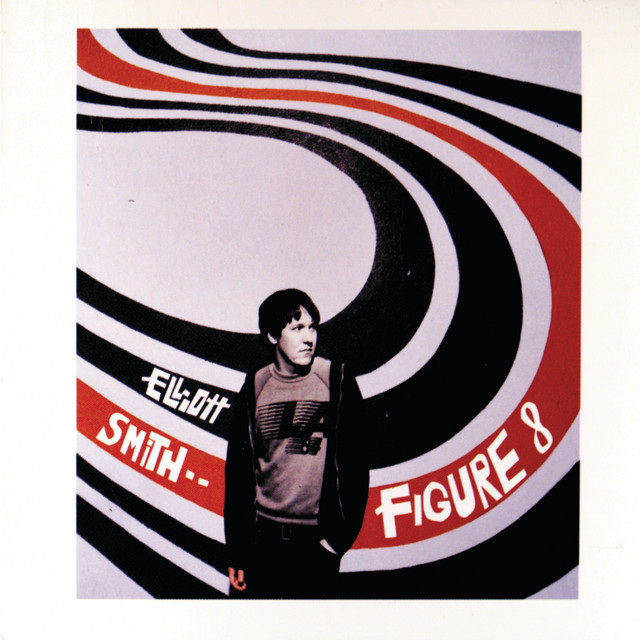
Elliott Smith released the song on Figure 8 in 2000, a late-period album that blended his usual intimate writing with fuller pop-rock arrangements. Smith wrote the track himself under his full name, Steven Paul Smith, and Figure 8 arrived through DreamWorks Records. Those facts are widely documented in album credits and discographies, including AllMusic and Discogs.
A breakup song about emotional hardening
At its core, the song describes a relationship changed by coldness. The narrator begins by saying they had tender feelings, but those feelings were made hard. That idea matters because it frames the whole song: they were not naturally detached. They became guarded in response to how they were treated.
When Smith sings tender feelings
and made hard
, he compresses an entire emotional history into a few words. The relationship seems to have pushed kindness into self-protection. Instead of begging for repair, the narrator accepts that the other person is now just somebody that I used to know
.

Watch the official Somebody That I Used To Know
music video
The speaker's stance: hurt, but not helpless
One reason the song hits so hard is its balance. The narrator is wounded, but they are not powerless. They notice the other person's emotional scars, and they refuse to carry responsibility for them.
The line about your heart, not mine
suggests a subtle reversal. On the surface, the narrator is the one leaving hurt. But they also imply the deeper damage belongs to the other person, whose choices have hollowed them out. Interpretation: this is less an insult than a sad diagnosis. The song suggests cruelty harms the cruel person too.
The song's emotional timeline
The verses move through a simple but effective arc:
- The narrator recalls being changed by the relationship.
- They realize the other person no longer needs or wants them.
- They watch that person throw away a meaningful past.
- They admit their anger will fade, even if the loss remains.
That final turn gives the song maturity. The narrator does not promise forgiveness, but they do recognize that rage cannot last forever.
Why the chorus feels so final
The repeated title phrase does the emotional heavy lifting. In many breakup songs, the chorus reaches for reunion or closure. Here, the chorus creates distance. By reducing an intimate connection to a past acquaintance, the narrator protects themselves.
That is why the refrain sounds calm and devastating at once. It is not shouted like a threat. It lands like a conclusion.
You're just somebody
that I used to know
Those words are simple, but they erase shared history in a single stroke. Interpretation: the chorus is not only about forgetting someone. It is about accepting that closeness can die before memory does.
Images of control, growth, and loss
The song's language is plain, but its images are sharp. The other person is described as being big enough to run your own show
. Paraphrased, that means they have become self-directed and independent, but maybe also self-centered.
Another striking moment describes them throwing away a living past. That phrase suggests more than a breakup. It points to someone rejecting warmth, history, and mutual care in order to stay in control. The song keeps returning to that tension: connection versus control.
Smith often wrote in a way that sounded conversational while carrying deep emotional weight. Critics have long noted this in coverage of his catalog, including retrospective writing from Pitchfork and biographical overviews from Britannica. This track is a strong example of that skill.
How the music carries the meaning
The production helps explain why the song feels resigned instead of explosive. Figure 8 is known for richer arrangements than Smith's earliest records, but this track still leaves room for intimacy. The acoustic guitar foundation, steady tempo, and close vocal style make the song sound private even when the arrangement broadens.
That matters because the singer never sounds fully theatrical. They sound tired, controlled, and observant. The music mirrors the lyric's emotional state: not a fresh wound, but a wound examined after the worst of the shock has passed.
Why the melody softens the bitterness
Even when the words are sharp, the melody stays tuneful and gentle. That contrast keeps the song from turning mean. It feels like someone sorting through disappointment rather than trying to win an argument.
Interpretation: this is one reason the song remains affecting. Its kindness survives even inside its rejection.
Alternate ways to read the song
The most direct reading is romantic breakup. Still, the song can fit other damaged relationships too. It could describe a friendship that became manipulative, or any bond where one person outgrew empathy while chasing control.
Another possible reading is that the song critiques emotional self-mythology. The other person seems to rewrite the relationship as if the past no longer matters. The narrator refuses that version, even while walking away.
What the song ultimately says
The meaning of Somebody That I Used To Know Elliott Smith is not simply that love ends. It is that people sometimes protect themselves by turning intimacy into memory. Smith captures the moment when affection gives way to recognition: the bond is over, the hurt is real, and the healthiest thing left is distance.
That emotional honesty is why the song still resonates. It understands that moving on can sound quiet, controlled, and deeply sad.
Disclaimer: This interpretation is based on the song's lyrics, recorded performance, and documented artist context. As with any song, listeners may hear different meanings.








