Tone Deaf by Eminem
Why This Track Sounds Proudly Unbothered
The meaning of Tone Deaf Eminem comes down to one big idea: they turn criticism into part of the show. On the surface, the song is a fast, funny barrage of punchlines, insults, and weird images. Under that surface, it is a statement about refusing to change for critics, culture-war arguments, or people calling for cancellation.
"Tone Deaf" - Eminem
What did you say?
Oh, I can't hear you
Loading lyrics...
Unable to load lyrics
We're unable to display the lyrics at this time. Please try again later.
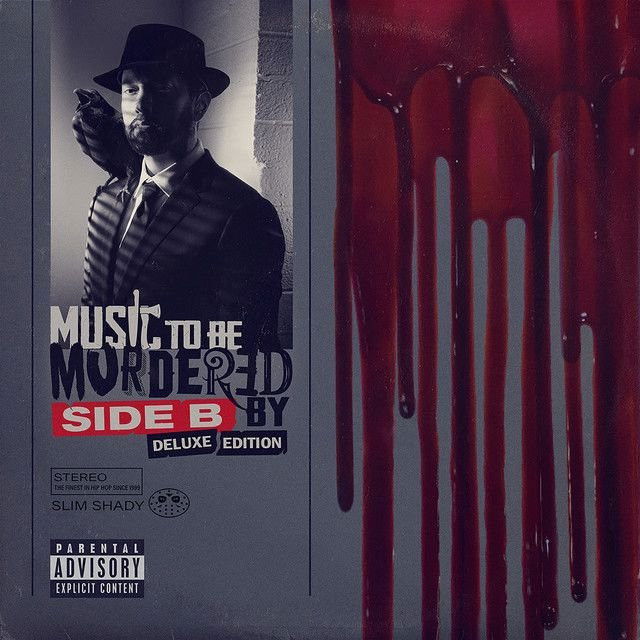
Released on Music to Be Murdered By – Side B in 2020, the track fits a period where Eminem was still testing how far they could push wordplay and provocation in a modern rap climate. The song is officially listed as part of that deluxe project, and the writing credits include Marshall B. Mathers III and Luis Resto, a longtime collaborator in their catalog.

Watch the official Tone Deaf
music video
The Core Message Hides in Plain Sight
At the center of the song is the hook: I'm tone deaf
. They use that phrase less as a literal claim and more as a posture. In common speech, “tone-deaf” can mean socially unaware or insensitive. Eminem flips that insult into a persona, almost wearing it like armor.
The chorus also links that pose to backlash with they won't stop until they cancel me
. That matters because it frames the verses. Instead of sounding surprised that listeners are offended, they act like offense is expected. Interpretation: the song is not asking for understanding. It is mocking the idea that they should become easier to digest.
Slim Shady as a Shield and a Weapon
Early on, the track points to an alter ego with It's my alter-ego's fault
. That line is important for the meaning of Tone Deaf Eminem because it gives listeners a lens: this is not mainly a sincere diary entry. It is a performance using the old Slim Shady trick of saying outrageous things through a theatrical character.
That does not mean the feelings are fake. It means the delivery is exaggerated on purpose. The song sounds like a hybrid: Slim Shady’s sneer carries Marshall Mathers’ real frustration about critics, internet outrage, and the demand that artists constantly self-censor.
Interpretation: when they blame the alter ego, they are both dodging responsibility and commenting on their own image. They know audiences expect chaos from them, so they turn that expectation into the whole point of the record.
Verse by Verse, It Builds a Case for Defiance
Most of the verses do not tell one clear story. Instead, they jump through absurd scenes, sex jokes, celebrity references, and attacks on unnamed critics. That scattered style is part of the design. The song wants to feel unfiltered, almost impossible to pin down.
A few patterns keep returning:
- random, comic-book exaggeration
- insults aimed at complainers
- pride in technical rap skill
- resistance to being controlled
When they brag about making unusual sounds rhyme, including orange rhyme with banana
, they shift the focus from controversy to craft. In other words, they are saying: even if people hate the content, they still cannot ignore the technique.
That is one of the song’s smartest moves. It mixes juvenile humor with elite mechanics, reminding listeners that Eminem still sees rap as a sport.
The Chorus Turns Arrogance Into Theme
The repeated refrain is simple, but that simplicity helps. After long stretches of dense bars, the chorus lands like a thesis statement. They cannot or will not hear what others are saying, and they prefer it that way.
I can't understand a word you say
I think this way I prefer to stay
Those lines sum up the emotional logic of the track. They are not trying to be redeemed. They are saying stubbornness is now part of the brand.
Interpretation: the hook may also reflect the larger public argument around Eminem in the 2020s. Some listeners see them as a veteran artist defending free expression; others hear someone refusing to grow. The song knows both readings exist and leans into the tension.
How the Sound Makes the Joke Land
Production matters here. The beat has a playful, rubbery feel rather than a dark, heavy one. That choice keeps the song from sounding purely angry. Even when the lyrics get sharp or ugly, the instrumental gives them a cartoon bounce.
That contrast is crucial. If the same lyrics sat on a grim beat, the track might feel harsher and more personal. Here, the lighter production suggests a satirical frame. They are provoking, but they are also performing.
Their flow supports that idea too. They cram lines tightly, twist vowels, and keep pivoting from one image to the next. The delivery sounds almost like someone trying to out-rap the backlash itself.
A Song About More Than Shock Value
It would be easy to reduce “Tone Deaf” to trolling. There is some truth in that. But the meaning of Tone Deaf Eminem is broader than simple outrage bait. The song argues that provocation, technical mastery, and public controversy are all tangled together in Eminem’s identity.
They are aging in public, aware of their own reputation, and still committed to being abrasive. References to getting older and still not backing down suggest a veteran artist measuring longevity against relevance. The message is blunt: they would rather remain difficult than become polite and predictable.
Final Take on What “Tone Deaf” Means
“Tone Deaf” is Eminem turning a criticism into a character trait. The song says they know people find them offensive, excessive, or out of step, and they are not interested in fixing that. Instead, they use humor, technical flexing, and the Slim Shady mask to make defiance sound entertaining.
That makes the track less a confession than a manifesto: if the world keeps demanding cleaner behavior, they will keep answering with louder punchlines.
Disclaimer: This interpretation is based on the song’s lyrics, performance style, and release context. As with any art, listeners may hear different meanings in the same track.








