Why 'ON FIRE' Burns With No Escape
The meaning of ON FIRE - paid in full Emis Killa, Sfera Ebbasta comes down to a life lived at full tension. The song is not just about toughness or status. It is about what happens when survival becomes a habit, anger becomes normal, and trust starts to disappear.
"ON FIRE - paid in full" - Emis Killa, Sfera Ebbasta
Quattro di notte, il mio fra' è già sotto
Pieno di crimine sotto il giubbotto
Loading lyrics...
Unable to load lyrics
We're unable to display the lyrics at this time. Please try again later.
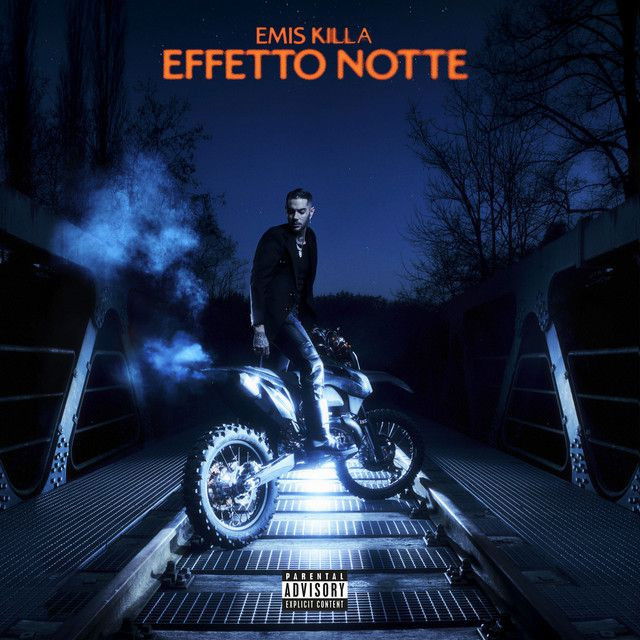
Listed as an Emis Killa track featuring Sfera Ebbasta on Effetto notte, the song brings together two major Italian rap voices. Sfera Ebbasta, born Gionata Boschetti, is one of the defining names in Italian trap and is widely noted for his chart dominance in Italy, which gives his verse extra weight in a song about pressure and reputation.
A Night Drive Into Fear and Instinct
From the opening, the song drops listeners into movement and danger. The setting is late at night, with police nearby, nerves high, and bodies reacting before minds can calm down. When the lyric mentions quattro di notte
, it does more than set a time. It places the story in a world where mistakes happen fast and sleep is replaced by alertness.
The imagery is physical and immediate. A heart beats like rave percussion, a black car passes a checkpoint, and fear gets worn like clothing. This is street rap, but it is also psychological rap. The outside world is risky, yet the bigger threat may be what that world has trained inside them.
The Hook Turns Heat Into a Life Condition
The chorus is the key to the song's meaning. When they say sempre on fire
, they are not talking only about success or momentum. They sound burned up by stress, anger, and constant vigilance.
That reading becomes stronger with the phrase il diavolo è sempre online
. Interpretation: this means temptation, violence, and destructive thinking are always available. Trouble is active, reachable, and quick. By contrast, hope, faith, or peace feel offline.
The next lines deepen the isolation. They say they no longer believe in people and reject easy talk from outsiders. In simple terms, the hook says: they are still standing, but the cost is emotional damage.
Family Pain Sits Under the Bravado
One reason the song hits hard is that it keeps returning to family history. Emis Killa links his rage to inherited temperament and says his blood starts to boil. That turns anger into something both personal and generational.
Sfera Ebbasta's verse goes even further into biography. He recalls his mother struggling and his father dying when he was young, after which he felt forced to become l'uomo di casa
. That detail matters because it shifts the song away from empty menace. They are not posing as hardened men; they are describing how hardening happened.
There is also a striking emotional contradiction in the line about love making them uncomfortable. Interpretation: violence and chaos feel familiar, while tenderness feels risky. That is one of the saddest ideas in the track.
Street Lessons, Mistrust, and Moral Blur
The verses keep showing a world where ethics are unstable. One of the sharpest ideas is that people learn to speak carefully just to avoid getting hurt. That suggests a neighborhood where language itself is survival equipment.
Another memorable image contrasts chains with bells, implying that imprisonment can feel more familiar than salvation or ceremony. Even the sound of sirens appears without the sea being present, which turns paranoia into atmosphere. They hear danger even when it is not visibly there.
Non posso fidarmi di sta gente
Ho troppi gioielli addosso
That brief moment sums up a lot. Wealth should signal safety, but here it creates exposure. Jewelry becomes less a prize than a target. Even a handshake can feel like someone checking what can be taken.
Two Artists, One Shared Temperature
Emis Killa and Sfera Ebbasta approach the theme from slightly different angles. Emis sounds more immediate and volatile, with images of bruised hands, rising temper, and reckless motion. Sfera sounds colder and more observational, mixing memories of poverty with the guarded habits of someone who has already “made it” but cannot relax.
That pairing works well because it joins two rap styles within modern Italian hip-hop: Emis Killa's harder-edged intensity and Sfera's trap fluency. Sfera's wider career helps frame this too; he rose from the XDVR era to become one of Italy's most commercially successful rap artists, and his guest spots often bring that sleek but wary trap energy into collaboration.
How the Production Supports the Meaning
Even without needing full technical credits, the writing suggests a beat built for pressure. The mention of drum and bass in the chest mirrors the likely pulse of the instrumental: fast, tense, and body-led. The repeated hook acts like a mental loop, the kind of phrase someone tells themselves when adrenaline never fully drops.
The production style also fits the title Paid in Full. Interpretation: the song implies that every gain has already been paid for through fear, grief, and hypervigilance. The sound and words both push the same idea: fire is not glory here. It is strain.
The Deepest Meaning of ON FIRE
In the end, the meaning of ON FIRE - paid in full Emis Killa, Sfera Ebbasta is about emotional overheating. The song shows men who learned to survive by staying sharp, suspicious, and ready, but who also know that this state is hurting them.
That is why the record feels heavier than a standard flex anthem. Beneath the cars, tattoos, and jewelry is a story about loss, learned fear, and the terrible habit of expecting danger at every turn.
Disclaimer: This article offers interpretation based on the lyrics provided and publicly available artist context. Song meaning can remain open, and listeners may hear different emotional layers in the track.







