
What Falling in Love Is For by Emmit Fenn
Emmit Fenn’s “What Falling in Love Is For” turns a familiar idea into something bruised and honest. Instead of treating romance as pure joy, the song asks what love costs when it strips away emotional defenses and leaves someone changed.
"What Falling in Love Is For" - Emmit Fenn
But I wouldn't know where to start
I tried to find my footing on this ground
Loading lyrics...
Unable to load lyrics
We're unable to display the lyrics at this time. Please try again later.
For listeners searching for the meaning of What Falling in Love Is For Emmit Fenn, the clearest answer is this: the song is about how falling in love can feel like surrender. It brings connection, but it also brings jealousy, instability, and pain that cannot easily be undone.
A Love Song That Sounds Like a Warning
At its core, the song presents love as both invitation and damage. The narrator begins in a shaky place, already struggling to regain balance, then another person enters and intensifies everything. When the refrain lands on that’s what falling in love is for
, it does not sound romantic in the usual way.
Interpretation: the line feels ironic, almost fatalistic. They seem to mean that love exists to break people open, expose their weak spots, and force them to feel more than they wanted to feel.
That tension is what gives the song its bite. It is not anti-love, exactly. It is more like a clear-eyed admission that intimacy can wound the same heart it awakens.
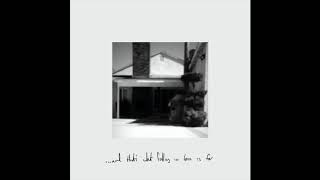
Watch the official What Falling in Love Is For
music video
The Emotional Timeline Inside the Lyrics
The verses move in a simple but effective arc:
- The narrator starts off unsteady and lost.
- Another person arrives and tears down their defenses.
- Attachment grows, but so do jealousy and confusion.
- The relationship leaves damage behind.
- The narrator tries to reclaim control by closing the door.
Early on, the image of tripped in the dark
suggests emotional disorientation. They are not entering love from a place of strength. That matters, because it helps explain why this new person has such a huge effect.
Then the song shifts into invasion imagery. The person who enters does not gently help; they broke down all the doors
. In plain terms, the relationship cuts past boundaries fast. That can sound thrilling, but here it also sounds dangerous.
Later, the narrator admits being wrapped around you
. That phrase shows dependency and emotional entanglement. Even if they know the situation is unhealthy, they are still deeply attached.
Why the Chorus Hurts More Each Time
The chorus is the key to the whole song. Each return of the title line changes slightly because the verses add new emotional evidence. At first, it sounds like shock. Then it sounds like bitter understanding. By the end, it sounds almost like self-protection.
What makes it effective is how broad the line is. “Falling in love” usually promises warmth, comfort, and hope. Here, the singer uses the same phrase to describe heartbreak, jealousy, and the collapse of inner peace.
Interpretation: the chorus reframes suffering as part of intimacy itself. The narrator is not just saying, “This relationship hurt.” They are suggesting, at least in this moment, that being hurt may be built into loving someone deeply.
Doors, Storms, Holes, and Keys
The song’s imagery is simple, but it carries a lot of emotional weight. Almost every image is tied to shelter, damage, or access.
The reference to someone hiding from the storm
paints them as a person seeking safety. But the song complicates that image by showing that the one offering shelter ends up feeling threatened and insecure. Love becomes less like rescue and more like emotional weather.
The “holes” suggest lasting damage after the relationship shifts or ends. The narrator is left doing repair work alone. That idea makes the song feel especially lonely: the relationship was shared, but the aftermath is not.
The key is maybe the strongest symbol. Giving someone a key usually means trust, closeness, and permission to enter. Telling them to leave it behind means that access is being revoked. It is a final gesture, but not a calm one. It comes after peace of mind has already been lost.
How the Sound Supports the Meaning
Emmit Fenn is known for moody electronic production that blends intimacy with atmosphere, a style reflected across his official artist platforms and releases Source Source. That matters here because the song’s meaning depends not only on the words, but on how they are delivered.
The track’s likely emotional power comes from restraint. Songs like this work by keeping the production spacious enough for the vocal to feel exposed. A soft electronic bed, muted percussion, and gradual layering would fit the lyric’s movement from numbness to emotional overflow.
Interpretation: if the production feels airy and melancholy, that is not just a style choice. It mirrors the narrator’s inner state—disconnected on the surface, overwhelmed underneath.
The repeated title line also likely gains force through arrangement. Each repetition can feel less like a hook for singalong pleasure and more like a thought the narrator is trying to convince themselves to accept.
The Most Revealing Line in the Song
The emotional center may be the admission that my head and my heart are at war
. In simple terms, the narrator is split between what they feel and what they know.
That split explains nearly every contradiction in the song. They miss the relationship, but they also miss who they were before it. They want distance, yet they remain emotionally attached. They know trust has been broken, but the bond still lingers.
This is why the song feels believable. It does not present heartbreak as clean or logical. It shows love as an experience that can leave people divided against themselves.
Final Take on the Song’s Message
The meaning of What Falling in Love Is For Emmit Fenn lies in its bleak honesty. It portrays love not as a fairy tale, but as an experience that can break down defenses, stir up insecurity, and force painful self-knowledge.
That does not mean the song says love is pointless. Instead, it suggests that vulnerability is the price of real connection, and sometimes that price feels unbearably high.
Disclaimer: This interpretation is based on the released lyrics and publicly available artist context. As with any song, meaning can vary by listener and may differ from the artist’s private intent.









