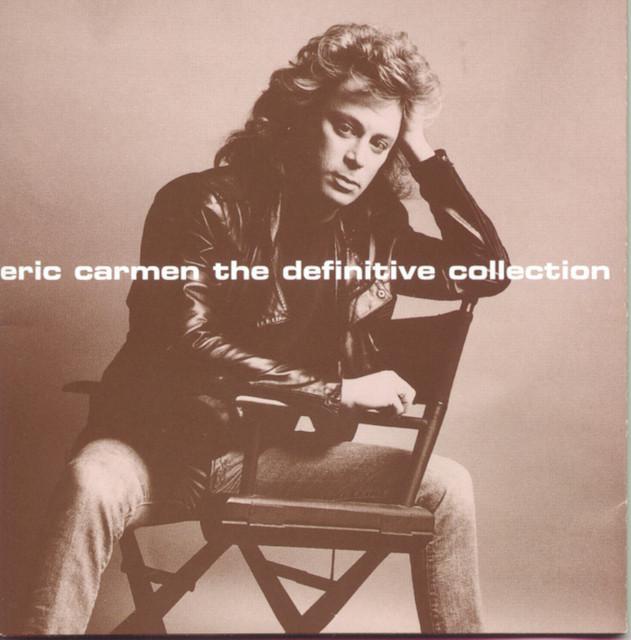
Why Eric Carmen's Hit Still Feels Like Summer
The meaning of Make Me Lose Control Eric Carmen comes down to a simple but powerful idea: a night of young love can feel so intense that it seems to suspend time. The song turns a drive through the city into a romantic rush, where the radio, the heat, and the closeness between two people all push the narrator toward emotional surrender.
"Make Me Lose Control" - Eric Carmen
And the city's the color of flame in the midsummer heat, oh yeah
Jennifer's got her daddy's car, she's playing "Uptown" on the stereo
Loading lyrics...
Unable to load lyrics
We're unable to display the lyrics at this time. Please try again later.
Released in 1988, the single became one of Eric Carmen's biggest late-career hits, reaching the Top 5 on the Billboard Hot 100, according to Billboard. It was written by Eric Carmen and Dean Pitchford, a songwriter also known for major pop and film work, as documented by AllMusic. That background matters, because the song feels built for a big-screen kind of romance.
A Summer Night Turned Into Myth
At the story level, the song is very direct. The narrator gets ready, heads out into a hot city night, meets Jennifer, and goes cruising with music blasting. From there, the evening becomes less about plot and more about sensation.
Small details make that world feel vivid. The city burns with midsummer color, the car roof comes down, and familiar old songs fill the air. When the chorus arrives, the emotional point is clear: this is not just a date. It is a moment they want to stay inside forever.
Interpretation: the phrase make me lose control
is not really about danger. It is about willingly letting love overpower self-consciousness. The narrator wants feeling to win.
Watch the official Make Me Lose Control
music video
The Real Heart of the Chorus
The chorus works because it pairs urgency with tenderness. The narrator asks to be held close, to keep the mood alive, and to let the emotional high continue. That mix makes the song feel passionate without becoming cold or purely physical.
Two short phrases carry most of the message: sweet sound
and lose control
. One points to music as the trigger. The other names the result. The radio is not background noise; it acts like a bridge between memory, desire, and fantasy.
This is why the hook feels bigger than a normal love song refrain. It says that love, at its peak, can blur the line between inner feeling and the outside world. The couple does not just hear songs; they begin to live inside them.
Why the Old-Song References Matter
One of the smartest things in the lyric is its name-dropping of classic pop tracks. References to songs like Stand by Me
and Be My Baby
do more than set the scene. They connect the couple's experience to the history of pop romance itself.
That gives the song two timeframes at once:
- The present-tense summer drive.
- A dream of an older, idealized past.
When the lyric wonders whether love was always this good, it suggests that the narrator feels part of a long tradition. Their night seems personal, but also universal. Anyone who has tied a relationship to a song can recognize that feeling.
Jennifer, Cars, and Heat as Symbols
Jennifer is important because she makes the story concrete. Instead of singing to a faceless lover, the song gives the moment a person, a car, and a soundtrack. That keeps the romance grounded.
Several recurring images do the symbolic work:
The Car Ride as Freedom
Cruising suggests youth, escape, and possibility. The lovers are moving, but they are also suspended between destinations. That in-between space lets emotion expand.
Heat as Desire
The lyric keeps returning to summer heat, fire, and fever. Those details mirror rising attraction. When the song says fire in July
, it turns weather into feeling.
The Radio as Memory Machine
The radio makes the night feel shared with generations of lovers before them. Music gives the couple permission to feel larger than life.
Turn the radio up
Hold me close
Never let me go
Those lines capture the song's emotional formula: sound, touch, and the wish to stop time.
How the Production Sells the Emotion
The recording style matters as much as the lyric. Eric Carmen was known first with the Raspberries and later as a solo artist with dramatic pop ballads, as outlined by Britannica and AllMusic. "Make Me Lose Control" leans into that strength.
The production is glossy and wide, with a strong beat, bright keyboards, and a chorus built to lift upward. Carmen's vocal performance grows more urgent as the song goes on, which mirrors the narrator's rising intensity. Even before listeners focus on the words, the arrangement tells them this moment is supposed to feel huge.
Interpretation: the polished 1980s sound is not just decoration. It helps turn an ordinary scene into emotional cinema.
More Than Passion: A Song About Holding On
There is also a softer meaning beneath the excitement. The repeated pleas to keep the feeling alive suggest that the narrator knows moments like this pass quickly. That gives the song a slight ache beneath its joy.
So the meaning of Make Me Lose Control Eric Carmen is not only romantic abandon. It is also about trying to preserve a perfect instant before it fades. The music on the radio, the hot night air, and Jennifer's presence all become tools against time.
Final Take on Eric Carmen's Romantic Rush
What makes the song last is its mix of directness and atmosphere. It tells a simple story, but it fills that story with heat, melody, and nostalgia. That is why it still feels immediate decades later.
For many listeners, the song is about the moment when attraction becomes overwhelming and unforgettable. Interpretation: it suggests that love feels most real when it pulls people out of ordinary life and into something that seems almost mythic.
Disclaimer: This interpretation is based on the song's lyrics, recording style, and public career context. Like any pop song, it can support more than one personal reading.







