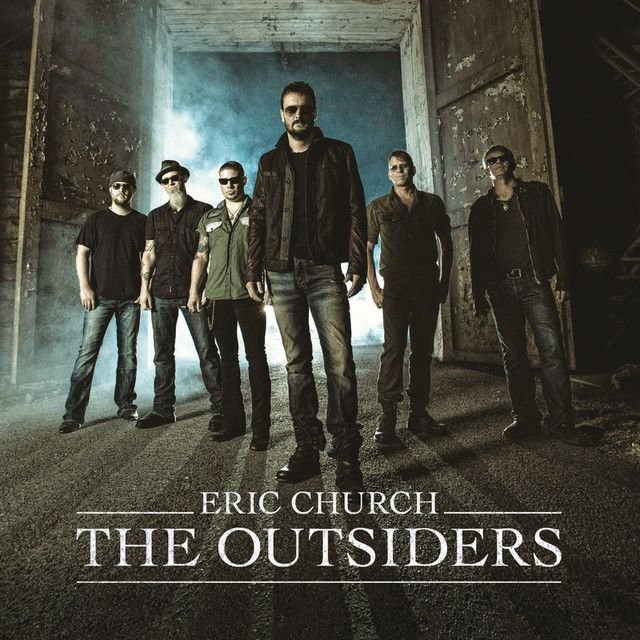
Why Eric Church’s Wildest Love Song Hits Hard
The meaning of A Man Who Was Gonna Die Young Eric Church comes down to one sharp idea: love can make a person who expected a short, reckless life suddenly want to stay. This is not just a love song. It is a confession from someone who built their identity around danger, speed, and self-destruction, then got startled by the fact that they survived long enough to change.
"A Man Who Was Gonna Die Young" - Eric Church
Chased a lot of crazy things
Left behind my share of broken pieces
Loading lyrics...
Unable to load lyrics
We're unable to display the lyrics at this time. Please try again later.
Eric Church has long been known for mixing country with rock and Southern grit, a style noted across his career and albums like Chief, Mr. Misunderstood, and Heart & Soul.[1] That matters here, because this song sounds like a man looking back at the myth he once told about himself and deciding he no longer wants to live inside it.
A love story hidden inside a survival story
On the surface, the narrator lists the habits of a hard-living person: fast cars, broken pieces, and a life guided by impulse more than caution. They speak like someone who always assumed they would burn out before they grew old.
The emotional pivot is the partner. When the singer says you kept me from going under
, the song stops being about thrill-seeking and becomes about rescue. The partner does not just comfort them. They interrupt a whole fatalistic worldview.
Interpretation: The title is key. The narrator is not simply a man who might die young; they are someone who had already built that ending into their self-image. Love forces them to rewrite the script.

Watch the official A Man Who Was Gonna Die Young
music video
The verses move from swagger to shock
The opening verse has a rough confidence. The narrator sounds almost proud of the mess they made. But then age enters the picture. Turning 36 is important because it marks a moment of disbelief: they are older than they thought they would ever be.
That is why the line about outliving icons matters. The song mentions figures tied to myth, suffering, and early death. In plain terms, the narrator is measuring their survival against a dramatic idea of masculinity they once admired.
Later, the mirror scene deepens that shock. Gray hair is not just about getting older. It proves that time has kept moving while the narrator was still mentally stuck in a younger, reckless version of themselves.
How the chorus turns wreckage into meaning
The chorus contains the song’s strongest images. The narrator imagines becoming a heap of metal
and a cloud of smoke
. They compare their life to a totaled car, then push the image further with foot stuck to the pedal
. In other words, they did not imagine a peaceful ending. They imagined going down at full speed.
That imagery works because it is physical and immediate. Listeners can see the crash before it happens.
Interpretation: The question at the end of the chorus is the heart of the song. When the narrator asks why anyone would love a man who was gonna die young
, they are really asking something bigger: what did their partner see that they could not see in themselves?
The partner represents more than romance
This song’s love interest is not written as a fantasy figure. They are patient, steady, and practical. They say, in effect, slow down. They run their fingers through hair that has started to turn gray. Those details are domestic and ordinary, which is exactly why they matter.
The song contrasts chaos with quiet routine. One side of the narrator wants thunder and speed. The other side starts to imagine aging with someone in a kitchen, a bedroom, or a late-night moment of prayer.
That final shift gives the song its emotional payoff. At first, the narrator expected death. By the end, they want duration.
Faith, fate, and changing their mind
Eric Church was raised Baptist, and faith has remained part of his public story.[1] This song uses that background lightly but clearly. References to prayer and the Lord do not turn it into a church song. Instead, they frame survival as something close to grace.
The closing request is especially strong because it is humble. The narrator basically admits they once accepted an early grave, but now they want a different outcome. That is a striking emotional reversal.
Tell the LordI've changed my mindI'd like to live forever
Paraphrased, the message is simple: love has made them want more life, not less. Forever may not be literal here. It sounds like the language of someone overwhelmed by gratitude and fear of losing what they found.
Why the sound matters too
Even without full production credits for this specific track in the provided material, Church’s catalog is strongly tied to rugged, guitar-forward production, often associated with Jay Joyce’s textured blend of country, rock, and tension-filled dynamics.[1] That broader context helps explain why this song lands so well.
A song like this needs weight. The storm imagery, river pull, and junkyard metaphors all call for a sound that feels earthy rather than polished. Church’s vocal style also helps: he often sings as if he is pushing through gravel, which makes regret and gratitude feel lived-in instead of decorative.
The bigger takeaway
The meaning of A Man Who Was Gonna Die Young Eric Church is not just that love saves someone. It is that love gives someone a new imagination for their own future. The narrator once saw only flames, wreckage, and a dramatic ending. Now they can picture age, tenderness, and commitment.
That is why the song hits. It takes a familiar country character—the proud, reckless man—and lets them admit that the bravest thing they ever did was decide to stay.
Disclaimer: This interpretation is based on the lyrics, Eric Church’s public artistic context, and common critical reading practices. Song meaning can remain personal and open to multiple valid readings.







