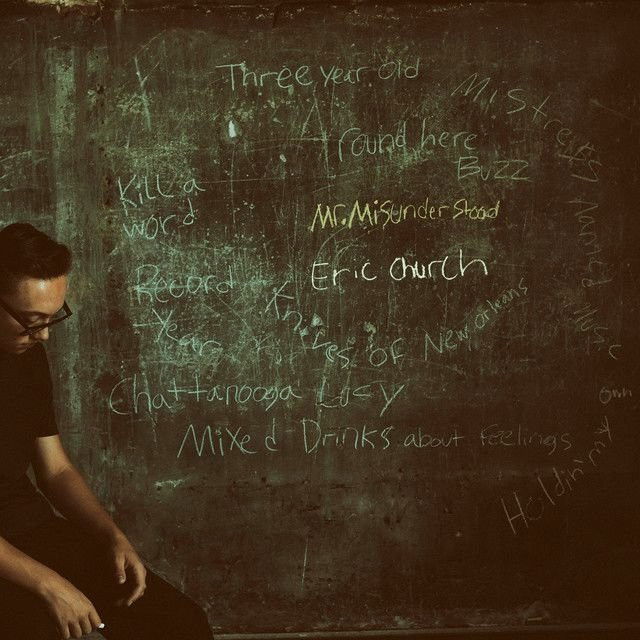
Kill A Word by Eric Church
A protest song that sounds like a prayer
The meaning of Kill A Word Eric Church starts with a bold idea: some words do real damage, and they shape how people treat each other. Instead of attacking people, the song imagines defeating the harmful language behind pain, division, and cruelty. That makes it less of a revenge song and more of a moral one.
"Kill A Word" - Eric Church
I'd poison never, shoot goodbye
Beat regret when I felt I had the nerve
Loading lyrics...
Unable to load lyrics
We're unable to display the lyrics at this time. Please try again later.
Released in 2016 as a single from Mr. Misunderstood, the track arrived during a tense political year. Church said in a brief Rolling Stone comment that he would have regretted not releasing it while it felt so relevant. That context matters. The song is not tied to one event, but it clearly speaks to a public mood filled with anger and careless speech.
Watch the official Kill A Word
music video
What the song is really saying
At its core, the song argues that words are not harmless. The speaker lists destructive ideas and wishes they could be wiped out at the source. Terms linked to sorrow, isolation, and hatred are treated like living enemies. By doing that, the lyrics turn abstract feelings into targets.
That is why the hook hits so hard. When Church repeats kill a word
, he is not celebrating violence. He is using violent imagery to reject emotional and social poison. The point is that if language can wound, then changing language can also heal.
Why the verses feel so physical
Turning emotions into enemies
One of the song’s smartest moves is its imagery. Church and co-writers Luke Dick and Jeff Hyde make feelings sound almost like criminals who can be dragged out, buried, or burned away. That gives the song momentum. It also helps listeners picture internal struggles as something they can fight.
Short phrases like poison never
and hang hate
show how the song works. Each one turns a painful word into an object of action. The speaker sounds tired of passivity. They do not want to just endure fear, heartbreak, or disgrace. They want to confront them.
The line about language lasting
The emotional center of the song may be the claim that you can't unhear
what has already been said. In plain terms, words leave scars. Bruises can fade, but speech can stay with someone for years.
Give me sticks, give stones
Bend my body, break my bones
This brief passage flips the old playground saying about words never hurting. Church argues the opposite. Physical pain is real, but verbal harm can be more lasting because it keeps echoing in the mind.
The chorus turns anger into hope
The chorus does something important: it moves from destruction to transformation. After naming the words they would erase, the speaker imagines changing lies and hate
into love and truth. That shift gives the song its heart.
Without that turn, the song could sound bitter. Instead, it becomes aspirational. Interpretation: the real goal is not silence. It is better language, better values, and a better way of living together. The song wants a replacement for toxic speech, not an empty space.
This is also why the writing avoids sounding preachy. As critic Kevin John Coyne argued in Country Universe, the song works because it focuses on obstacles rather than a perfect utopia. That is a useful insight. Church is not pretending the world can be made pure overnight. They are naming what gets in the way.
How the music softens the message
A big part of the song’s power comes from contrast. The lyrics are severe, but the production is warm and restrained. Produced by Jay Joyce and Eric Church, the track leans on a gentle groove rather than a hard attack. That choice keeps the song reflective instead of explosive.
Rhiannon Giddens is crucial here. On the single version, her voice adds lift, grace, and a sense of community. Rather than sounding like one person shouting into the dark, the song starts to feel shared. Her presence widens the meaning, as if the plea belongs to more than one voice.
Taste of Country praised the song’s soulful production and noted that Giddens gave casual listeners another way into it. That feels right. Even if someone does not study every lyric, they can hear the calm sadness under the message. The arrangement suggests healing even while the words describe battle.
Artist context and why timing mattered
Church has often balanced outlaw edge with moral seriousness. Mr. Misunderstood was already a reflective album, and this song fits that side of his work. According to the song overview, it was released on August 29, 2016, reached No. 6 on Billboard Country Airplay, and later earned major certification from the RIAA. That chart success suggests its message reached beyond a core fan base.
The 2016 release date matters because the song sounded like a response to a coarser public conversation in America. It never names parties or candidates. That was likely wise. By staying broad, it remains timely long after that election year.
The clearest way to read the ending
Interpretation: the song is really about responsibility. People cannot control every cruel thing said around them, but they can decide what language they repeat, reject, or replace. The fantasy of destroying words points back to a real-world choice: speak in ways that create less harm.
That is what makes the song memorable. It turns an abstract topic into something vivid, musical, and personal. Instead of asking who the enemy is, it asks what habits of speech keep pain alive.
Final takeaway
The meaning of Kill A Word Eric Church is about the force of language and the hope of moral change. Its blunt images express frustration with hatred, fear, and emotional damage, while its gentle sound points toward grace rather than rage.
In that sense, the song is both a lament and a challenge. It admits that words can wound deeply, then insists they can also be remade into something kinder.
Disclaimer: This interpretation blends documented context with informed reading of the lyrics, and listeners may reasonably hear the song in different ways.









