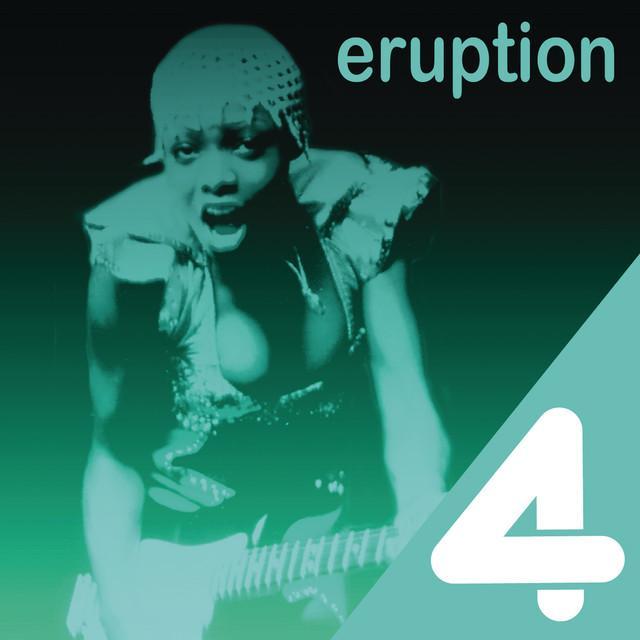
Why 'One Way Ticket' by Eruption Still Hurts
The meaning of One Way Ticket Eruption becomes clear fast: it is a breakup song that turns emotional pain into a train ride with no return. Even with its bright disco energy, the lyric centers on loss, loneliness, and the feeling of being carried somewhere they never wanted to go.
"One Way Ticket" - Eruption
One way ticket, one way ticket
One way ticket, one way ticket
Loading lyrics...
Unable to load lyrics
We're unable to display the lyrics at this time. Please try again later.
Eruption released their hit version in 1978, helping turn an older song into an international disco-pop favorite. The group was produced by Frank Farian, whose polished studio style shaped many late-1970s pop records. Those basic facts are widely documented in standard discographies and reference sources, including Discogs and AllMusic.
A Breakup Framed as a Journey
At the heart of the song is a simple idea: heartbreak feels like travel in one direction. The title phrase, one way ticket
, does more than describe leaving. It suggests there is no choice, no refund, and no easy path back to how life felt before.
That is why the song lands so quickly. Instead of explaining every detail of the breakup, it uses a familiar image everyone understands. A ticket means departure. A one-way ticket means finality.
Interpretation: The song is not really about transportation. It is about emotional momentum. Once love ends, they are pushed down the track by grief.

Watch the official One Way Ticket
music video
The Narrator Is Moving, But Not Healing
The verses give the heartbreak motion. The image of a choo choo train
rolling ahead creates a restless feeling, as if the singer cannot stop what has started. When the lyric says they are never comin' back
, the point is not geography. It is the fear that love, innocence, and comfort are gone for good.
That makes the song feel bigger than a typical sad-pop complaint. The narrator is not just hurt. They are in transit, trapped between what they lost and a future they do not want.
The story in four quick beats
- Love ends, and the singer feels abandoned.
- Sadness becomes a journey they must take.
- Lonely places stand in for their emotional state.
- The chorus repeats until grief sounds unavoidable.
This structure helps explain why the hook is so memorable. It does not merely summarize the verse. It transforms heartbreak into fate.
Old Pop References Deepen the Blues
One clever part of the lyric is how it borrows the language of classic heartbreak songs. Phrases like lonesome town
and heartbreak hotel
are not random. They place the singer inside a long pop tradition where sadness has its own map, its own buildings, and its own rules.
By stacking these references together, the song feels playful and wounded at once. It almost sounds like they are traveling through a museum of broken-hearted music. That gives the lyric a self-aware quality, even though the words stay simple.
Gonna take a trip to lonesome town
Gonna stay at heartbreak hotel
Those lines show how the song turns feeling into place. Instead of saying “I am devastated,” it imagines sadness as a destination where they now have to live.
Why the Chorus Hits So Hard
The chorus works because it is blunt and repetitive. The phrase to the blues
reduces the whole emotional experience to one destination: sorrow. That repetition matters. With each return, the hook sounds less like a complaint and more like a truth the singer cannot escape.
Interpretation: The chorus may also reflect how breakup thoughts loop in the mind. People replay the same loss over and over, just as the song repeats its title. In that sense, the structure mirrors grief itself.
How the Sound Changes the Meaning
Musically, this is where Eruption’s version becomes especially interesting. The lyric is steeped in old-school heartbreak, but the arrangement is glossy, danceable, and fast-moving. That contrast is a big part of the song’s appeal.
The beat keeps things pushing forward, much like the train image in the words. The rhythm section gives the track momentum, while the bright vocal delivery stops it from sinking into self-pity. Instead of sounding crushed, the performance sounds energized.
This creates a useful tension: the body wants to dance while the lyric talks about despair. That split is common in disco, where pain often arrives inside a beat built for movement. Eruption’s version turns sadness into something public and communal, not private and still.
Artist Context Matters
Eruption were known for blending pop hooks, disco production, and strong lead vocals, especially during their late-1970s breakthrough. Their recording of "One Way Ticket" was a cover of a song written by Hank Hunter and Jack Keller, and Eruption’s success helped introduce it to a new generation of listeners. Credits for the songwriters are listed in common catalog sources such as Discogs and song databases like SecondHandSongs.
That context matters for meaning. Because it is a cover, the song carries two histories at once: the older heartbreak-writing tradition and the sleek disco world of the late 1970s. Eruption did not erase the sadness. They made it move.
So What Is the Song Really Saying?
The meaning of One Way Ticket Eruption is that heartbreak can feel both theatrical and real, familiar and overwhelming. The singer uses train imagery, old pop references, and a relentless chorus to show how love loss becomes a one-direction trip into loneliness.
What makes the song last is its contrast. The words say goodbye, but the music keeps going. That tension gives the track its strange power: it sounds like survival in the middle of sorrow.
Disclaimer: This interpretation is based on the lyrics, recording context, and common critical reading. As with any song, listeners may hear different meanings in it.







