What 'Bag Lady' Really Means
The meaning of Bag Lady Erykah Badu starts with a simple image: a person carrying too much. In the song, those bags are not really luggage. They stand for pain, old heartbreak, fear, and habits that make new love harder to accept.
"Bag Lady" - Erykah Badu
Dragging all them bags like that
I guess nobody ever told you
Loading lyrics...
Unable to load lyrics
We're unable to display the lyrics at this time. Please try again later.
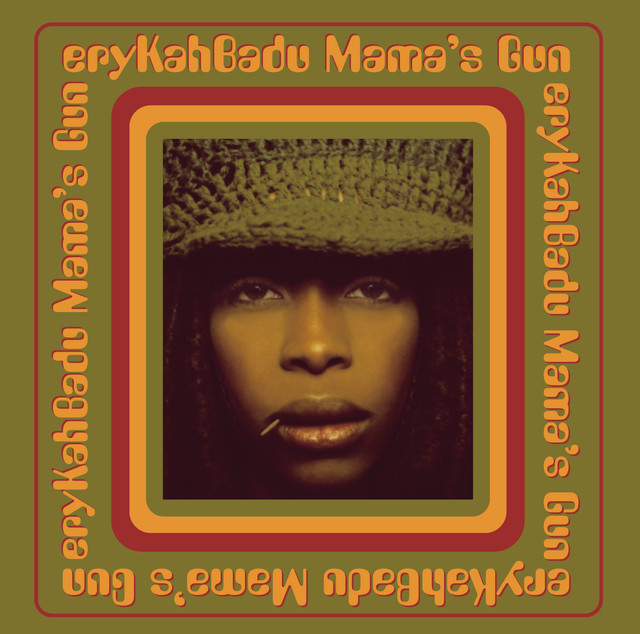
Released as the lead single from Mama's Gun in 2000, the song became one of Badu's biggest hits. According to Wikipedia, it reached No. 6 on the Billboard Hot 100 and spent six weeks at No. 1 on the Hot R&B/Hip-Hop chart. That success makes sense because the song turns a hard truth into advice that feels gentle instead of harsh.
The Heart of the Message
At its core, "Bag Lady" is a warning and a comfort at the same time. Badu speaks to someone who has been hurt before and now carries that hurt everywhere. The song says that emotional survival can become emotional weight.
When she uses the phrase pack light
, she is not asking the listener to forget the past overnight. She is saying they cannot move freely if every old wound comes with them into the future. That is why the title image works so well: everyone understands what it feels like to drag too much behind them.

Watch the official Bag Lady
music video
Who They Are Singing To
Badu addresses a woman directly, but the message is much wider than that. The song can apply to anyone who has turned old pain into a permanent identity.
The opening idea, you gon' hurt your back
, makes the metaphor physical. Emotional damage becomes something heavy enough to injure the body. A little later, the song warns that they may miss your bus
, which suggests lost chances, bad timing, and relationships that never begin because someone is still living inside a previous wound.
A Voice That Sounds Firm, Not Cruel
One reason the song still lands is its tone. Badu does not shame the person she is talking to. She admits healing is difficult and recognizes how hard it is to let go after being hurt.
That balance matters. The song is not saying, “Get over it.” It is saying, “You deserve better than carrying this forever.”
How the Lyrics Build the Theme
The verses move from image to consequence. First, there is the burden itself. Then there is the way that burden affects movement, timing, and intimacy.
The line about crowding my space
shows how trauma can spill into romance. Interpretation: this is not only about being clingy. It is also about bringing distrust, fear, and constant defense into a relationship until there is no room left for closeness.
The chorus keeps returning to the idea that those bags will eventually get in your way
. That repetition is important. It sounds like wisdom repeated by a friend, a parent, or even a future self. The more the phrase comes back, the clearer the lesson becomes: pain that is never processed does not stay still. It starts directing a person's life.
let it go
you don't need it
This is the closest the song comes to a direct command, but even here it feels caring. The song is not attacking the listener's feelings. It is separating those feelings from what they truly need to keep.
The Symbol of the Bags
The bag image is so effective because it covers several kinds of weight at once:
- old heartbreak
- distrust from past relationships
- guilt and regret
- defensive habits
- memories that shape self-worth
Interpretation: the song also suggests that baggage can become familiar. People may hold onto pain because it feels safer than change. In that reading, letting go is scary not because the bags help, but because they have become part of the person's routine.
Why the Sound Matters So Much
"Bag Lady" works not just because of the lyric, but because of the music around it. The track sits in Badu's neo-soul style, with a relaxed groove, warm rhythm section, and vocals that feel conversational rather than dramatic. According to Wikipedia, the song appeared on Mama's Gun, was released by Motown, and was produced by Erykah Badu and Tone the Backbone.
That softness changes the message. A harsher production might have made the song sound like a lecture. Instead, the beat feels patient. The melody circles gently, almost like someone talking through a problem with care. Badu's voice is especially important here: she sounds knowing, wounded, and hopeful all at once.
Artist Context and Why It Connected
By 2000, Badu already had a strong identity as a thoughtful, distinct voice in soul and R&B. "Bag Lady" fit that image perfectly. It mixed everyday language with deeper emotional insight.
Its reception also shows how widely the song connected. Wikipedia notes that it earned Grammy nominations for Best Female R&B Vocal Performance and Best R&B Song. Listeners likely heard themselves in it. Almost everyone knows what it means to want a fresh start while still carrying the last disaster.
The song's lasting power comes from that universality. It is specific enough to paint a scene, but broad enough to fit many lives.
The Best Way to Read the Ending
The final message is hopeful. "Bag Lady" is not only about damage; it is about the possibility of release. Love might help, but the deeper point is that healing starts when a person stops gripping what is hurting them.
So, the meaning of Bag Lady Erykah Badu is this: unresolved pain can block love, growth, and peace, but it does not have to stay in control. Badu turns that insight into a warm piece of advice—travel lighter, breathe deeper, and stop treating old pain like it belongs in every new chapter.
Disclaimer: This interpretation is based on the song's lyrics, sound, and public context. As with any art, listeners may hear meanings that differ from this reading.







