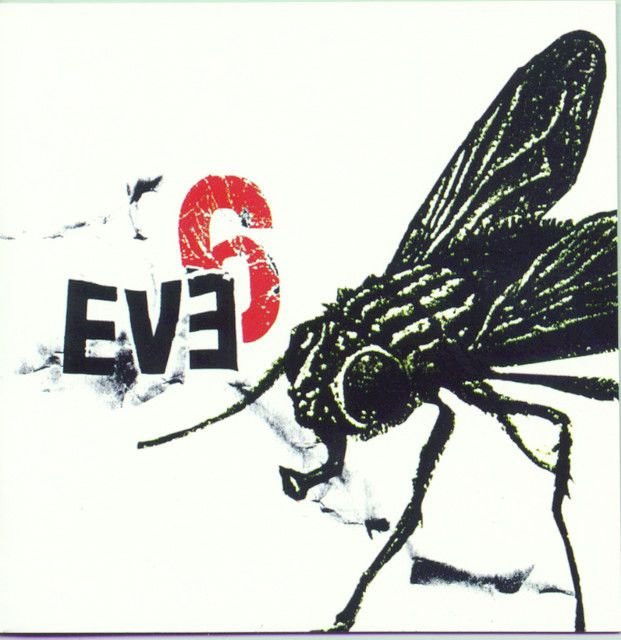
Inside Out by Eve 6
The meaning of Inside Out Eve 6 starts with contradiction. The song sounds bright, catchy, and almost playful, yet its images are full of self-doubt, emotional whiplash, and romantic frustration. That clash is the point. Eve 6 turned a shaky relationship into a pop-rock song that feels funny, anxious, and wounded all at once.
"Inside Out" - Eve 6
I would choke on the rinds, but the lack thereof would leave me empty inside
Swallow my doubt, turn it inside out
Loading lyrics...
Unable to load lyrics
We're unable to display the lyrics at this time. Please try again later.
Released by Eve 6 on their self-titled debut album, the track became the band’s best-known hit and a defining late-1990s alt-rock single. It was written by Anthony Fagenson, Max Collins, and Jon Siebels. Those facts are widely documented by sources such as AllMusic and Discogs.
A breakup song dressed like a singalong
At the broadest level, the song is about someone stuck between desire and self-protection. They are drawn to another person, but the relationship feels stale, confusing, and emotionally dangerous. Instead of describing that in plain language, the song uses strange, memorable images to show what it feels like from the inside.
Interpretation: The narrator does not sound calm or fully reliable. They swing from wanting closeness to wanting escape. That is why phrases like swallow my pride
and faith in nothing
matter so much. Together, they suggest a person trying to push down hurt feelings while admitting they no longer trust what the relationship stands for.
The hook pushes this idea further. When the song says heart in a blender
, it turns heartbreak into something cartoonish and brutal. It is exaggerated on purpose. The image makes emotional damage sound both absurd and real.

Watch the official Inside Out
music video
How the verses build emotional chaos
The first verse is full of bodily language: swallowing, choking, emptiness, turning inward. That matters because the song frames heartbreak as a physical experience, not just a sad thought. The narrator seems unable to separate emotion from the body’s reactions.
Later, the song gets more restless. The line about the clock being painful shows how time itself feels irritating when a relationship has gone cold. They are not just unhappy with the other person; they are trapped in a mood where every passing second feels heavy.
A short stretch sums up that emotional overload well:
I burn, burn
time has gotten stale
tick-tock of the clock
These fragments move from heat to boredom to irritation. In other words, the relationship is not simply ending. It is decaying in slow motion.
The chorus turns pain into black comedy
The chorus is why the song stayed memorable. Eve 6 take a very ordinary theme, romantic confusion, and express it with surreal comedy. That mix gives the song personality.
Interpretation: The phrase beautiful oblivion
sounds like a wish to stop feeling so intensely. It is not exactly hope. It is closer to emotional shutdown made to sound almost pretty. The narrator would rather disappear into numbness than keep living in mixed signals.
Then comes the sharpest turn: through with you
. That sounds decisive, but the song’s energy makes it feel unstable too. They may want out, yet they keep circling the same feelings. That back-and-forth is central to the meaning of Inside Out Eve 6.
Who is speaking, and to whom?
The song uses a first-person voice, which makes everything feel immediate and messy. The narrator seems to address a romantic partner directly, but the lyrics also sound like self-commentary. They are talking to someone else while also trying to convince themselves.
That is why some lines come off as accusation, while others feel like confession. The balance keeps the song from becoming a simple blame anthem. The narrator sounds hurt, sarcastic, needy, and defensive in the same breath.
Strange images, clear themes
One reason the track endures is its imagery. Even when individual lines seem odd, the larger themes stay clear.
Symbols that do the heavy lifting
- Swallowing and choking: forcing down pride, doubt, and pain
- Blender imagery: emotional destruction made vivid and absurd
- Clocks and stale time: a relationship that has lost life and momentum
- Origami: folding the self into a shape that only pretends to hold together
Interpretation: The song’s weirdness is not random. It shows how breakup thoughts arrive in broken, exaggerated flashes. People in emotional stress often think in fragments, jokes, and extreme pictures. The lyrics capture that mental state well.
Why the sound matters as much as the words
Eve 6 built the song like a classic late-1990s alternative rock single: tight rhythm section, crunchy guitars, strong melodic hook, and a vocal that sounds half-sneer, half-confession. That style supports the lyrics because the arrangement never lets the pain become slow or dreamy. It keeps moving.
The band’s pop-punk-adjacent bounce gives the song its tension. The music sounds energetic enough for radio, but the words describe emotional unraveling. That mismatch is exactly what makes the track compelling. They are not singing sadness softly; they are launching it outward.
Why people still connect with it
Listeners still return to the song because it captures a familiar feeling: knowing a relationship is wrong, while still being caught in its pull. The song refuses to sound noble about that. Instead, it sounds impulsive, embarrassed, dramatic, and honest.
That honesty is the real key to the meaning of Inside Out Eve 6. Beneath the clever imagery, it is about emotional contradiction. They want distance, but they also want recognition. They want to end it, but they are still reacting to every wound.
Final takeaway
Inside Out works because it translates relationship burnout into sharp, unforgettable images. Its narrator sounds trapped between attraction and disgust, sincerity and sarcasm, pain and performance.
That tension gives the song its staying power. It is a breakup song, but more than that, it is a portrait of what it feels like when emotions get scrambled faster than the mind can sort them.
Disclaimer: This article offers interpretation based on the lyrics, recording context, and public song information. As with any song, listeners may reasonably hear different meanings in the same lines.








