Why Evergrey’s 'A Touch of Blessing' Feels So Dark
The meaning of A Touch Of Blessing Evergrey becomes much clearer once listeners hear the song as more than a metal anthem. It is not simply about faith, hope, or spiritual struggle. It sounds like a portrait of seduction by a closed belief system that promises purity, belonging, and purpose, then asks for total surrender.
"A Touch Of Blessing" - Evergrey
Walking paths you never heard of
Struggling in an endless battle
Loading lyrics...
Unable to load lyrics
We're unable to display the lyrics at this time. Please try again later.
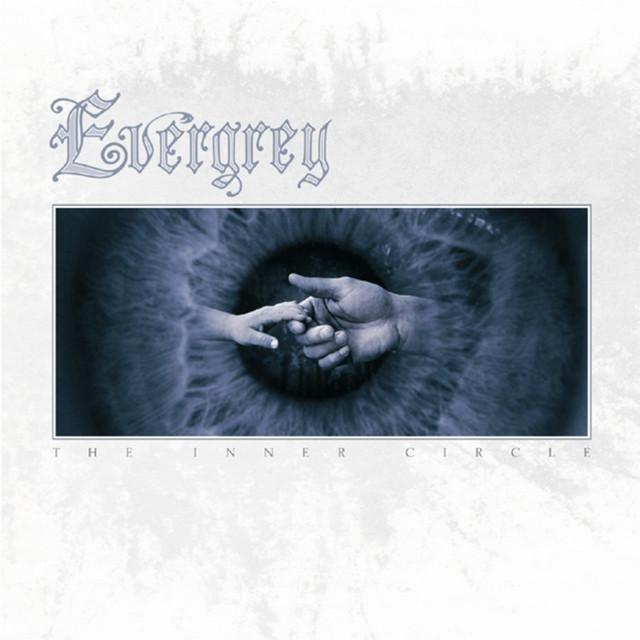
That reading fits the larger context. Evergrey’s The Inner Circle was released in 2004 as a concept album, and it has been described as dealing with religion, cults, and child abuse, with Tom S. Englund and Henrik Danhage credited as producers on the album. It was recorded at Division One Studios and released by InsideOut, according to the album’s reference page: Wikipedia.
A Doorway Into a Larger Story
As the opening track on The Inner Circle, this song sets the emotional rules for everything that follows. The lyrics present a speaker caught between pain and promise. They describe struggle first, then a tempting solution.
That structure matters. The song begins in a place of confusion and hardship, with images like endless circle
and spiritual searching. It then introduces a community that looks warm, clean, and certain. In plain terms, the song shows how vulnerable people can be drawn toward rigid systems when life feels chaotic.
Interpretation: The track is less about belief itself and more about how belief can be used. It suggests that the need for meaning can make a person easy to recruit.

Watch the official A Touch Of Blessing
music video
When Comfort Starts to Sound Like Control
One of the sharpest tensions in the song is its contrast between beauty and danger. The lyrics describe being misled by beauty
, which is a compact way of saying that something attractive is not necessarily safe.
The inviting language is important too. The group seems welcoming, even holy, offering a world free from sin
. On the surface, that sounds comforting. But the song keeps pairing that promise with submission, obedience, and lost independence.
That is where the title becomes ironic. A “blessing” usually means grace or protection. Here, a touch of blessing feels like the first contact with something that will mark a person permanently.
All the dreams I had
All future wishes
Put aside for a greater journey
Put aside for a higher purpose
This is the article’s clearest lyrical moment. The words frame sacrifice as noble, but they also reveal the cost: private dreams, chosen plans, and human relationships are abandoned in favor of a grand cause.
The Speaker’s Voice Is Personal and Unsettling
The song mostly speaks in the first person, which gives the story a confession-like feel. The speaker is not standing outside the system and critiquing it from a distance. They are inside it, describing how it feels to be drawn in.
That makes lines about leaving friends and embracing a “greater journey” feel more tragic. The speaker sounds convinced, or at least half-convinced, which is exactly why the song works. It captures the psychology of surrender better than a simple warning song would.
There is also a darker edge in the command to crown me king
. That phrase suggests hierarchy, ego, and domination. It hints that this movement is not just spiritual. It is also political and personal, built around authority.
Symbols of Water, Cold, and Circles
Evergrey pack the song with simple but effective symbols. The image of betrayal as a river turns emotional pain into something physical and hard to escape. Water here is not cleansing. It is engulfing.
Cold functions in a similar way. When the lyrics mention shivering, they make the spiritual crisis feel bodily. This is not abstract theology. It is fear in the nerves.
Then there is the idea of the circle. An endless circle
suggests a trap, not enlightenment. Instead of growth, the image points to repetition, enclosure, and a system that keeps people moving without truly freeing them.
How the Sound Deepens the Meaning
The production helps sell this reading. Evergrey’s style on The Inner Circle blends progressive metal and power metal elements, as noted in the album’s documentation: Wikipedia. The guitars are heavy, but the keyboards and layered atmosphere add a ceremonial mood.
That mix matters because the song needs both force and seduction. The riffs give weight to the struggle. The melodic sweep makes the “higher purpose” sound believable for a moment. Tom S. Englund’s vocal delivery is especially important: they move between control, ache, and urgency, which mirrors a mind caught between devotion and alarm.
The result is a song that feels grand without feeling safe. It sounds like revelation wrapped around threat.
Two Strong Ways to Read It
A critique of cult dynamics
This is the strongest interpretation. In the context of The Inner Circle, the song reads as a study of indoctrination. It shows how a person in pain can be offered order, moral certainty, and belonging, only to lose autonomy in return.
A broader warning about extremism
A second reading is wider. The song may also speak to any ideology that asks people to erase themselves for a “higher” cause. In that sense, it is not limited to religion. It can apply to politics, power structures, or even abusive communities.
Why the Song Still Lands
The meaning of A Touch Of Blessing Evergrey endures because the song understands a hard truth: people are rarely drawn into harmful systems by obvious evil. They are drawn in by comfort, beauty, certainty, and the promise that pain will finally make sense.
Evergrey turn that truth into a tense, dramatic opener that still feels relevant. They do not just show oppression. They show the emotional logic that makes oppression persuasive.
That is why the song lingers. It is about the moment when healing and control start to look dangerously alike.
Interpretation disclaimer: This article offers a good-faith reading of the song based on its lyrics, album context, and documented background. Like most art, the track can support more than one interpretation.







