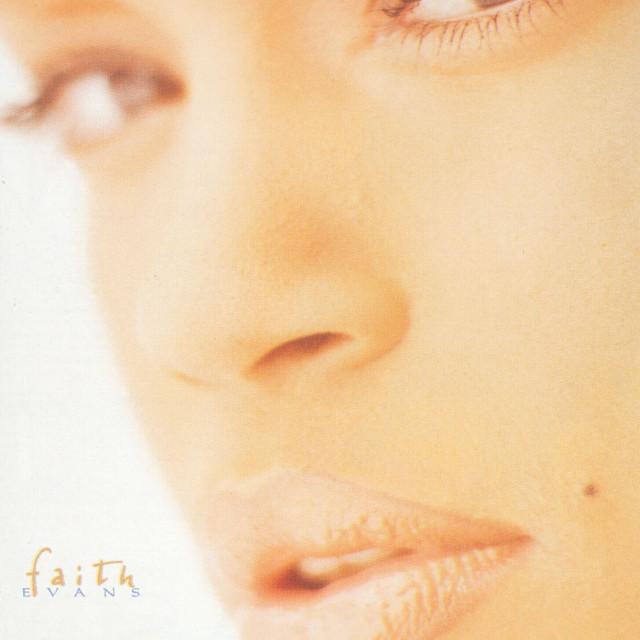
What Faith Evans Means by Lost Love
The meaning of You Used to Love Me Faith Evans starts with a simple but painful idea: they are not just missing a person, they are missing how that person once made them feel. Faith Evans turns that gap into a slow-burning R&B confession, where memory becomes proof that something real existed before it faded.
"You Used to Love Me" - Faith Evans
You used to love me
I remember the days
Loading lyrics...
Unable to load lyrics
We're unable to display the lyrics at this time. Please try again later.
Released as Evans's debut single from Faith in 1995, the song helped introduce her as one of Bad Boy's key voices. According to Wikipedia, it was written by Evans and produced by Sean Combs and Chucky Thompson, and it became a major early hit, reaching No. 24 on the Billboard Hot 100 and No. 4 on Hot R&B/Hip-Hop Songs.
A breakup song, but not a simple one
At first glance, the song sounds like a straightforward farewell. They keep returning to the memory of a partner who once cared deeply, using the repeated idea of used to love me
as both accusation and grief.
But the lyric is more layered than a standard breakup anthem. The singer is not only sad; they are also taking stock. They gave time, loyalty, and emotional effort, and now they are confronting the fact that this investment was not matched.
Interpretation: The song is really about emotional neglect. Whether the relationship is over or just damaged, the deeper wound is that the partner stopped showing up with the same warmth.

Watch the official You Used to Love Me
music video
The speaker remembers more than romance
One reason the song lands so hard is that the memories are not abstract. Evans points to everyday care, attention, and physical closeness. When the lyric hints at things like holding my hand
, it shows that the loss is not only sexual or dramatic. It is about tenderness disappearing.
That detail matters. Many songs about heartbreak focus on betrayal or a clean split. Here, the pain comes from change. Someone who once felt safe and attentive has become distant, and the singer cannot ignore that shift.
The emotional timeline in the verses
The story unfolds in a clear pattern:
- They remember how love once felt.
- They explain they gave fully to the relationship.
- They try to be heard but feel ignored.
- They realize the other person has pulled away.
That is why short phrases like callin' out
and walked away
matter so much. They suggest a relationship where one person kept reaching while the other stopped responding.
Why the chorus hurts so much
The chorus is repetitive on purpose. By circling back to memory again and again, the song mimics what heartbreak actually feels like. People do not think in neat conclusions; they replay better days.
I remember the way
You used to love me
That brief refrain is the song's emotional center. It does not need many details because the repeated thought says enough: the past is vivid, and the present feels empty by comparison.
Interpretation: The chorus is not just nostalgia. It is evidence. They are reminding the partner that the relationship changed, and that this decline cannot be dismissed as imagination.
Sound and mood: smooth on top, bruised underneath
The production helps explain the song's staying power. Chucky Thompson said he built the track after digging through '70s records and working out ideas on guitar, as quoted in Wikipedia's summary of a SoulCulture interview. The result is rich, plush R&B with hip-hop weight underneath.
That balance is crucial. Billboard's Larry Flick praised Evans's "easy and decidedly more jazzy" vocal style and the song's "plush, old-school R&B sound," along with its "ticking jeep beat," as cited by Wikipedia. In plain terms, the beat moves with confidence while Evans sings with restraint.
That restraint shapes the meaning. Instead of shouting pain, they glide through it. The smoky delivery makes lines like that's not what love's about
sound less like drama and more like hard-earned clarity.
Faith Evans's voice gives the song its adult perspective
This was an important debut because it framed Evans as mature rather than overly sweet. In her memoir, summarized by Wikipedia, she said it was the kind of love song many women could relate to, while still having a beat strong enough for broad appeal.
That comment fits the song well. It feels reflective, but never weak. Even when they sound wounded, they also sound self-aware.
There is also personal context behind it. The same source notes that the song was inspired by an argument with the Notorious B.I.G. That does not mean every line is literal, but it does suggest the emotion came from real tension, which may explain the song's honesty.
More than nostalgia: a quiet demand for accountability
A lesser reading of the song would call it only sentimental. But Evans goes further than that. The singer is not simply daydreaming about lost affection; they are naming a failure inside the relationship.
When the lyric suggests you didn't hear me
, the issue becomes communication. Love faded not just because feelings changed, but because one person stopped listening.
Interpretation: That is the song's sharpest insight. Real love is not proved by old memories alone. It has to be practiced in the present.
Why the song still resonates
Part of the answer is its relatability. Almost anyone has known the strange pain of being loved differently than before. Another part is craft: the hook is simple, the groove is deep, and Evans never oversings the emotion.
That mix helped make the single a commercial breakthrough, with Gold certification from the RIAA and strong chart runs documented by Wikipedia. But its real legacy is emotional accuracy. It captures the moment when memory becomes a mirror, showing how far a relationship has fallen.
Disclaimer: This interpretation is based on the lyrics, recording context, and documented background. As with most songs, listeners may hear meanings that differ from the artist's exact intent.









