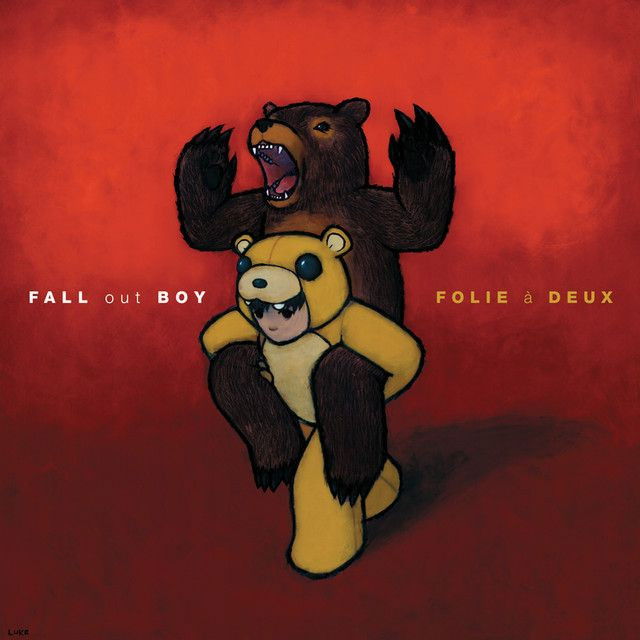
I Don't Care by Fall Out Boy
Why This Hook Sounds Proud and Empty
The meaning of I Don't Care Fall Out Boy starts with a smart contradiction. On the surface, the song sounds bold, loud, and almost celebratory. Underneath that energy, though, it is mocking vanity, attention-seeking, and the hollow need to stay visible at all costs.
"I Don't Care" - Fall Out Boy
I dare you to say they taste the same
Let the leaves fall off in the summer
Loading lyrics...
Unable to load lyrics
We're unable to display the lyrics at this time. Please try again later.
Fall Out Boy released the track as the lead single from Folie à Deux in 2008. According to Wikipedia, it became one of the album's best-known songs, reached No. 21 on the Billboard Hot 100, and was later certified 2× Platinum in the United States. That success matters because the song is about fame culture, yet it also became a big mainstream anthem inside that same culture.

Watch the official I Don't Care
music video
The Core Idea Beneath the Swagger
At its center, the song presents a speaker who claims not to care, while obviously caring very much. The chorus turns that contradiction into the whole point with the phrase I don't care what you think
followed by as long as it's about me
. In plain terms, the character does not want respect, truth, or love. They just want attention.
That is why the song feels both catchy and cruel. It captures a public persona built on ego, insecurity, and performance. The line happiness in misery
pushes that idea further. It suggests that some people get so used to drama, publicity, and emotional chaos that they mistake it for fulfillment.
Interpretation: The song is not simply confessing narcissism. It is acting it out to expose how pathetic and common it can be.
A Relationship Song Hiding Inside a Pop Satire
Patrick Stump explained that the song was political in an unusual way: about superficiality in pop culture and also the “politics of a relationship.” That helps explain why the verses move between celebrity ego and personal tension.
Early lines set up jealousy and comparison. The challenge to say two names together implies rivalry, replacement, or bruised pride. Then the imagery becomes unstable and dramatic, with seasons behaving the wrong way and places feeling temporary. The speaker dreams of escape and reinvention, but those fantasies do not sound healthy. They sound reactive.
Erase myself and let go
Start it over again in Mexico
Those lines are not a grounded plan. They show someone wanting to outrun shame, boredom, or exposure by becoming someone else somewhere else.
Images of Decay, Heat, and Cheap Glamour
The verses are packed with sharp little snapshots. Friends are accused of loving status more than the person. Desire is framed as impulse and transaction. Even romance feels worn down by performance.
One striking phrase is Pawn shop heart
. Paraphrased, it suggests a heart that has been traded, discounted, or treated like secondhand merchandise. That image fits the song's larger world, where people and feelings are turned into objects for display.
Another key idea comes from references to hotel suites, cigarettes, and alleyways. These details create a flashy but rundown setting. Everything looks exciting at first glance, yet it feels cheap on closer inspection. That contrast supports the song's attack on superficial cool.
How the Music Makes the Joke Land
A big reason the song works is its sound. Joe Trohman described the guitar part as the band's take on a ZZ Top-style riff, and the track has often been described as mixing arena rock, blues, and rockabilly colors. Those choices give it a strut.
That swagger is essential to the meaning of I Don't Care Fall Out Boy. The band gives a morally empty chorus a huge, almost sports-arena backing. Stump said the point was ironic: the hook is supposed to feel anthemic even though what it says is vacuous. In other words, they built a massive singalong around a selfish thought so listeners would feel the trap.
Patrick Stump's vocal delivery also matters. He sounds sharp, punchy, and theatrical rather than wounded. That keeps the song from turning into a sad confession. Instead, it feels like a performance of ego, one that is exaggerated enough to reveal its ugliness.
Fame, Media, and the Late-2000s Mirror
Pete Wentz called the song a “narcissist's anthem” and linked it to the YouTube generation's short attention span. That context places the track in a very specific late-2000s media moment, when celebrity culture, internet identity, and self-branding were growing more intense.
The song's message has aged well because that problem only became bigger. Today, its chorus can sound like a summary of influencer culture: outrage, praise, mockery, and scandal all become useful as long as people keep watching.
The music video pushed that idea further with disguises, celebrity cameos, and visual chaos. It treated fame like costume and spectacle. That does not change the lyrics, but it supports the same message: public identity is often a mask.
Two Strong Ways to Read the Song
There are at least two solid readings of the track:
- Pop-culture satire. The speaker represents a fame-hungry mindset that values visibility over substance.
- Personal meltdown. The speaker is also an individual using arrogance to hide hurt, jealousy, and loneliness.
These readings work together more than they compete. Fall Out Boy often writes songs where public drama and private emotion blur together. Here, the same line can sound like a celebrity slogan and a breakup defense mechanism.
The Lasting Meaning of the Song
In the end, the meaning of I Don't Care Fall Out Boy is about the emptiness of wanting attention more than connection. The song turns selfishness into a chant, then lets listeners hear how hollow that chant really is.
That is why it remains effective. It is fun, biting, and uncomfortable at once. They made a hook people can yell along to, then used that hook to ask whether modern life rewards the worst parts of the self.
Disclaimer: This interpretation mixes documented artist comments with close reading of the lyrics and sound. Like most songs, it can support more than one meaning.