How 'Immortals' Turns Fear Into Heroism
The heart of the song in one clear idea
The meaning of Immortals Fall Out Boy centers on a powerful contradiction: they know greatness does not last forever, but they still choose to chase it together. The song treats immortality less like literal endless life and more like a brief, bright feeling of being unforgettable.
"Immortals" - Fall Out Boy
But we don't have to be
On bad behavior, but I do it in the best way
Loading lyrics...
Unable to load lyrics
We're unable to display the lyrics at this time. Please try again later.
That idea fits the song's origin. Fall Out Boy wrote it for Disney's Big Hero 6, where a team of underdogs steps into a larger role. According to background reported by Wikipedia, Pete Wentz said Disney explained the scene and the band felt the story lined up with how they saw the world. Patrick Stump also said the title came from the idea of people coming together to help someone reach the finish line.

Watch the official Immortals
music video
A promise between two people
At the lyric level, the song sounds intimate before it sounds heroic. The speaker is not addressing a crowd first. They are talking to one important person and building a bond that feels bigger than ordinary life.
When the song says we could be immortals
, it is really making an emotional promise. The point is not that they will live forever. The point is that, in this connection, they can become larger than fear, failure, or time for one crucial moment.
Why the love song reading matters
Interpretation: One strong reading is that the song works as a love song, or at least a song about deep devotion. Lines about being a protector suggest loyalty that is almost mythic. When the speaker offers to be the guard dog
of someone else's fever dreams
, they are saying they will defend even the other person's messiest, most anxious inner world.
That makes the chorus hit harder. Immortality here means emotional permanence. Even if life changes, the bond leaves a mark.
The song's best images all point to time
Fall Out Boy often write in dense, punchy images, and this song is no exception. The clearest symbol is the hourglass. When the speaker says bottom half of the hourglass
, the image points to time running out, not opening up.
That detail matters because it changes the chorus. The song is not blindly triumphant. It knows the clock is already moving. So when they sing that forever is possible, they also undercut it with just not for long
. That is the whole emotional trick of the song: it gives listeners a huge anthem, but keeps mortality in the frame.
And live with me forever now
You pull the blackout curtains down
Those lines suggest a sheltered moment, almost like shutting out the world to hold onto something while it lasts. The darkness is not only sad. It can also feel protective, private, and intense.
Faith, pain, and shared survival
The second verse brings in struggle more directly. It says faith only matters when it is tested repeatedly. That gives the song weight beyond movie-action excitement. Heroism here is not easy confidence. It is endurance.
Another important line links one person's old injury to another person's healing work. The lyric about a wound and sutures suggests that relationships are messy and shared. One person may carry the scar, but the other helps stitch life back together. In plain terms, they survive together.
Interpretation: This is why the song feels bigger than a standard empowerment anthem. It is not about one invincible hero. It is about damaged people finding strength in mutual care.
Why it fit Big Hero 6 so well
The movie connection is not just trivia. It helps explain the song's tone. Big Hero 6 is about grief, invention, teamwork, and ordinary people becoming heroes. Wentz said the band had always identified with the underdog, as summarized by Wikipedia. That underdog angle is all over the track.
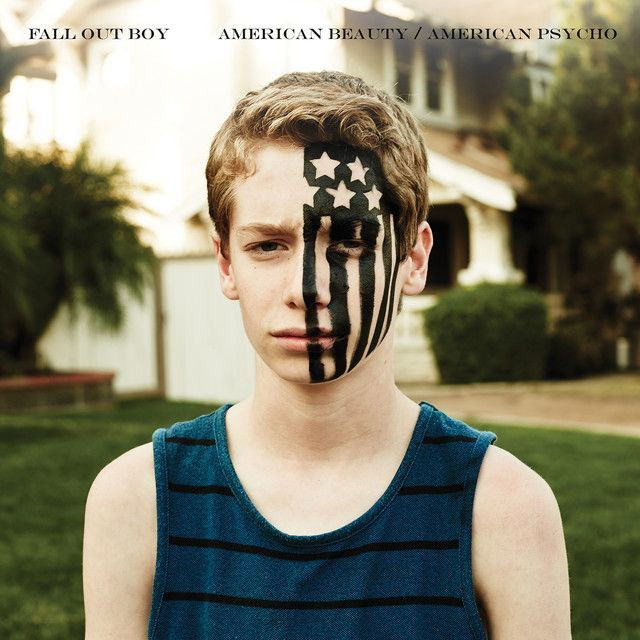
The song was released on October 14, 2014, for the film and later appeared on American Beauty/American Psycho. It was written by Patrick Stump, Pete Wentz, Joe Trohman, and Andy Hurley, and produced by Butch Walker and Jake Sinclair, according to Wikipedia. Those facts matter because the track sits between soundtrack storytelling and the band's larger arena-pop style.
How the production sells the message
Musically, "Immortals" is sleek, loud, and built to feel airborne. It is commonly described as pop rock and electronic rock in source summaries like Wikipedia. The drums and pulse give it forward motion, while the chant-like hook makes the title sound communal rather than lonely.
Reports on the song's versions note that the film take uses more strident, marching-band-like percussion, while the album version softens some of that force. That is a useful clue. In the movie setting, the beat feels like a team suiting up for action. On the album, the song leans a bit more into emotional uplift than cinematic impact.
Patrick Stump's vocal also matters. He sings the hook with urgency, but not with total certainty. That slight strain helps preserve the song's human side. They are reaching for immortality, not calmly claiming it.
Reception and staying power
The song's afterlife supports its theme of brief moments becoming lasting memories. It reached No. 72 on the Billboard Hot 100 and later earned 4× Platinum from the RIAA, as listed by Wikipedia. It also kept showing up in sports and pop culture settings, which makes sense: its message is perfect for moments when effort, risk, and glory all meet.
The takeaway behind the chorus
The meaning of Immortals Fall Out Boy is not that humans can beat death. It is that love, loyalty, teamwork, and courage can make people feel bigger than their limits for a little while. The song turns that short-lived feeling into an anthem.
That is why the line about not lasting long is so important. It keeps the song honest. Their heroes are not immortal because they escape time. They are immortal because, for one charged moment, they rise above it together.
Disclaimer: This interpretation is based on the released song, documented background, and common critical reading. As with any art, listeners may hear different meanings in it.









