Fall Out Boy’s Most Poisoned Breakup Song
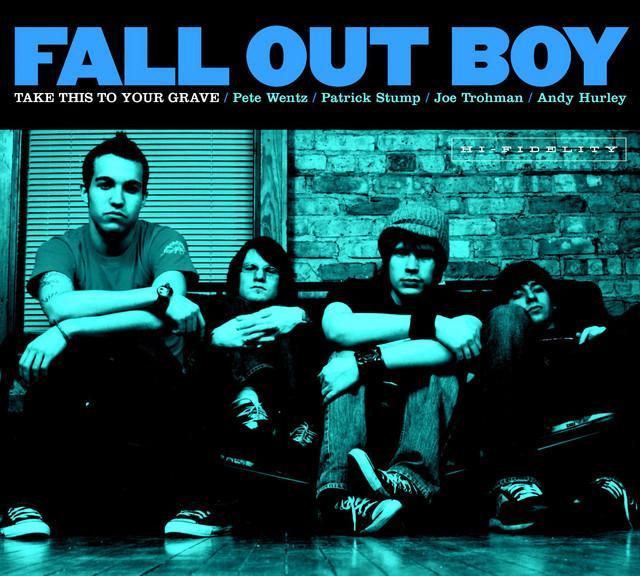
The meaning of Tell That Mick He Just Made My List of Things to Do Today Fall Out Boy starts with pure emotional whiplash. This opening track from Take This to Your Grave does not sound sad in a quiet way. It sounds fast, bitter, embarrassed, and ready to turn heartbreak into a threat, a joke, and a memory all at once.
"Tell That Mick He Just Made My List of Things to Do Today" - Fall Out Boy
And one just 'cause they'll kill you sooner than my expectations
To my favorite liar, to my favorite scar (to my favorite scar)
Loading lyrics...
Unable to load lyrics
We're unable to display the lyrics at this time. Please try again later.
Released on Fall Out Boy’s debut album, the song helped set the band’s early identity: pop-punk energy mixed with cutting one-liners and theatrical anger. Written by Andrew Hurley, Joe Trohman, Patrick Stump, and Pete Wentz, it is one of their clearest early portraits of jealousy after betrayal.
A Breakup Song That Refuses to Act Noble
At its core, the song is about someone trying to survive humiliation by sounding tougher than they feel. The narrator speaks to an ex or to the memory of that ex with almost cartoonish cruelty. That matters, because the song is less a plan for revenge than a performance of wounded pride.
Early lines point to disappointment and self-destruction. When the song mentions favorite liar
and favorite scar
, it turns the former lover into both a person and a lasting injury. The relationship is not just over; it has become part of the speaker’s identity.
Interpretation: the nastiness is defensive. Instead of admitting grief directly, the narrator hides inside sarcasm, insults, and shocking images. That is why the song feels so alive: it captures the ugly thoughts people have before they calm down enough to speak kindly.
Watch the official Tell That Mick He Just Made My List of Things to Do Today
music video
Who They Are Talking To
The song uses a first-person voice, but the target keeps shifting. Sometimes it sounds like a direct address to an ex. Other times, it feels like the narrator is talking to themselves, replaying the breakup and trying to win an argument that is already over.
One of the most revealing moments is the blunt confession I loved you but I lied
. On the surface, it sounds cold. But in context, it can also read as emotional backpedaling. The narrator may be trying to erase a feeling that still hurts.
That push and pull is central to the song’s meaning. They want distance, but they are still obsessed. They want to sound untouchable, yet every line proves the opposite.
The Violence Is Emotional Theater
This track is full of extreme images: choking, crashing, fire, ropes, and bridges. Those images are not subtle, and that is the point. They dramatize emotional collapse.
The most famous line uses dark humor to show total contempt:
when you catch fire
I wouldn't piss to put you out
The lyric is memorable because it is so excessive. It takes ordinary breakup anger and turns it into a cruel punchline. Right after that, the song says Stop burning bridges
, which expands the idea beyond one failed romance. This is a person who thinks the ex damages every relationship they touch.
Interpretation: these lines are not best read as literal wishes. They are the language of emotional overload. In pop-punk, especially in the early 2000s, exaggeration often served as a way to stage feelings that were too messy to explain plainly.
Memory, Jealousy, and Public Humiliation
Another key part of the song is jealousy. The narrator is not just hurt by a breakup. They are tormented by replacement. The repeated phrase bury me in memory
suggests someone trapped in the past, unable to move on because every thought circles back.
The verses also care a lot about appearance. There is mockery, gossip, and image-conscious cruelty. That fits early Fall Out Boy well: their songs often mix private pain with the fear of looking weak in front of others.
Why the insults feel so specific
The details sound personal because they attack coolness itself. The song sneers at charm, style, and social power. The ex is presented as someone who hurts people and still looks good doing it. That makes the narrator’s anger feel tied to envy as much as heartbreak.
How the Sound Carries the Meaning
Musically, the song moves with the speed of panic. On Take This to Your Grave, Fall Out Boy built a style that pulled from pop-punk and emo: sharp guitar riffs, quick drumming, and a vocal approach that swings between melody and accusation. Patrick Stump’s delivery matters a lot here. He does not sing these lines like distant poetry; he pushes them out with urgency.
That sound makes the bitterness believable. The band does not leave room for reflection. Instead, the arrangement rushes forward like a fight replayed in someone’s head during a late-night drive. According to the album credits documented by AllMusic, the record’s lean setup helped define the band’s early attack.
Why it works as an opener
As the first track on the album, this song acts like a mission statement. It announces that Fall Out Boy’s early world is clever, dramatic, and deeply concerned with emotional damage. Before the listener knows the rest of the record, they already know its stakes: love will be messy, pride will make things worse, and the best lines will probably hurt.
The Bigger Meaning in Fall Out Boy’s Early Era
The meaning of Tell That Mick He Just Made My List of Things to Do Today Fall Out Boy also connects to the band’s larger early themes. Many early Fall Out Boy songs turn embarrassment into style. They write about romance as competition, memory as punishment, and language as a weapon.
This track may be one of the rawest examples. It is less polished than their later hits, but that roughness is part of its appeal. It catches the moment when anger is still hot enough to sound exciting.
Final Take
The song is about heartbreak that has not yet turned into acceptance. Instead, it becomes sarcasm, jealousy, and dramatic revenge fantasy. Its real subject is not cruelty alone, but the panic of being replaced and the need to sound stronger than the pain feels.
That is why the song still lands. Beneath the insults, it shows a person losing control of the story they thought they were living.
Interpretation note: Song meaning can vary by listener. This reading is based on the lyrics, the album context, and Fall Out Boy’s early pop-punk style rather than a single confirmed explanation from the band.








