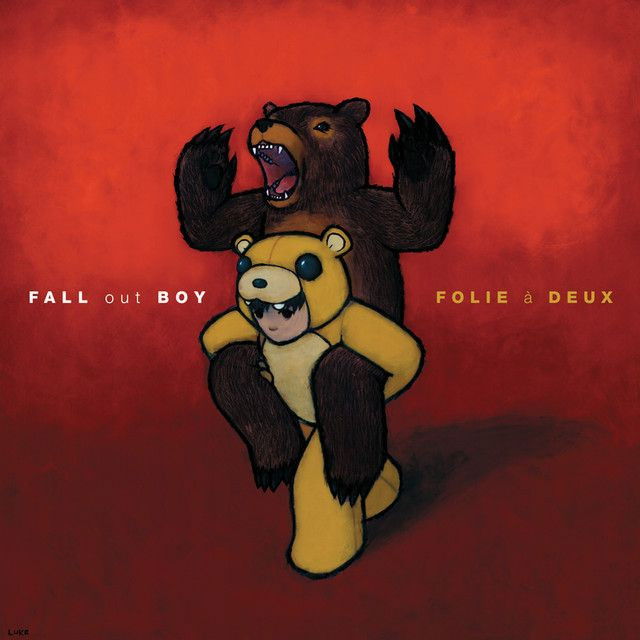
What a Catch, Donnie by Fall Out Boy
Why This Ballad Hits So Hard
The meaning of What a Catch, Donnie Fall Out Boy starts with a contradiction: it sounds warm and grand, but it is built around private fear. Released on Folie à Deux in 2008 and later issued as a single, the song stands out in the band’s catalog as a piano-led ballad with strings and a slow, aching pace. According to widely cited band commentary and reference sources, Pete Wentz wrote it as a tribute to Patrick Stump, especially to the gap between Stump’s gifts and his self-doubt (Wikipedia, Songfacts).
"What a Catch, Donnie" - Fall Out Boy
And the self-esteem to match
What a catch, what a catch
Loading lyrics...
Unable to load lyrics
We're unable to display the lyrics at this time. Please try again later.
That context matters because the song does not just describe sadness. It sounds like one band member trying to hold another together. At the same time, it also reflects a group looking at its own future with real uncertainty.

Watch the official What a Catch, Donnie
music video
A Confession Disguised as a Love Song
The opening idea is blunt: troubled thoughts
matched with low self-worth. Instead of using clever wordplay to hide the feeling, the song says the emotional problem outright. That makes the hook, what a catch
, sound ironic at first.
On one level, the phrase reads like dark humor. The singer seems to be saying: here is a person who is gifted, sensitive, and lovable, but also full of pain. On another level, it becomes sincere. They still see value in the person, even when that person cannot see it.
Interpretation: this is why the chorus feels both sad and tender. It is not mocking brokenness. It is naming it while refusing to walk away.
The Relationship at the Center
A key line of thought in the song is that the speaker is watching someone give up on themselves. The emotional tension comes through in phrases like gave up on you
. The pain is not just heartbreak from another person leaving; it is the deeper hurt of seeing someone abandon their own worth.
That is where the song gets unusually personal for Fall Out Boy. Patrick Stump said it felt like a confessional even though he did not write it, which supports the reading that the lyric is aimed toward him rather than being purely fictional (Songfacts).
So while listeners can hear romance in it, the stronger reading is friendship, band brotherhood, and emotional rescue.
Donny Hathaway, Roberta Flack, and the Song’s Shadow
The title likely points to Donny Hathaway, and the lyric mention of Miss Flack
clearly gestures toward Roberta Flack. Those references are not random name-drops. Hathaway’s legacy carries brilliance, vulnerability, and tragedy, while Flack connects the song to soul duets and longing.
That gives the song extra weight. It places Fall Out Boy’s private fears inside a larger musical history of fragile genius and emotional collapse. The line about not ending up like him
suggests fear of repeating someone else’s downfall, while the next thought undercuts that confidence. The speaker says they will never become that person, then admits they may already be headed there.
Interpretation: this is the song’s cruelest truth. Denial and self-awareness exist at the same time.
How the Music Carries the Meaning
Production is a big part of why the song lands. It was produced by Neal Avron and is often described as a sweeping soft-rock or soul-leaning ballad, built around piano, strings, and a gradually expanding arrangement (Wikipedia). Instead of rushing forward like a pop-punk single, it lingers.
That slowness matters. The band gives Patrick Stump room to sound exposed. His vocal is controlled, but it never feels cold. As the track grows, the arrangement turns private anxiety into something almost cinematic, as if inner thoughts are suddenly too large to keep contained.
Then the song changes shape. In the final section, guest voices and callbacks to older Fall Out Boy songs enter one after another. That move transforms the track from confession into retrospective. It is no longer just about one wounded person. It becomes about a whole era, a whole band history, and the community around them.
Why the Ending Feels Like a Farewell
The quoted fragments from older songs are brief, but their effect is huge. They work like memory flashes: old hooks, old identities, old versions of the band returning for one last roll call. Critics and fans often heard that section as a possible closing statement, especially because Fall Out Boy entered hiatus not long after the Folie à Deux era (Wikipedia, Songfacts).
Pete Wentz later suggested he would have been satisfied if the song had been their final release. That does not make it an official goodbye, but it explains why it feels like one.
The Video Deepens That Reading
The Alan Ferguson-directed video places Patrick Stump alone at sea, rescuing others and gathering symbols from the band’s past. It is a clear visual match for the song’s emotional work: carrying burdens, preserving memory, and trying to save what can still be saved (Wikipedia).
The Lasting Meaning
The meaning of What a Catch, Donnie Fall Out Boy is not just sadness. It is care under pressure. It is about seeing someone’s gifts, seeing their damage too, and refusing to reduce them to either one.
That is why the song still connects. Beneath the references and the grand arrangement, it tells a simple human truth: sometimes the hardest thing is not loving someone else. It is convincing them they are worth saving.
Interpretation disclaimer: song meaning is never fully fixed, and this reading separates documented context from reasonable interpretation based on lyrics, production, and band history.