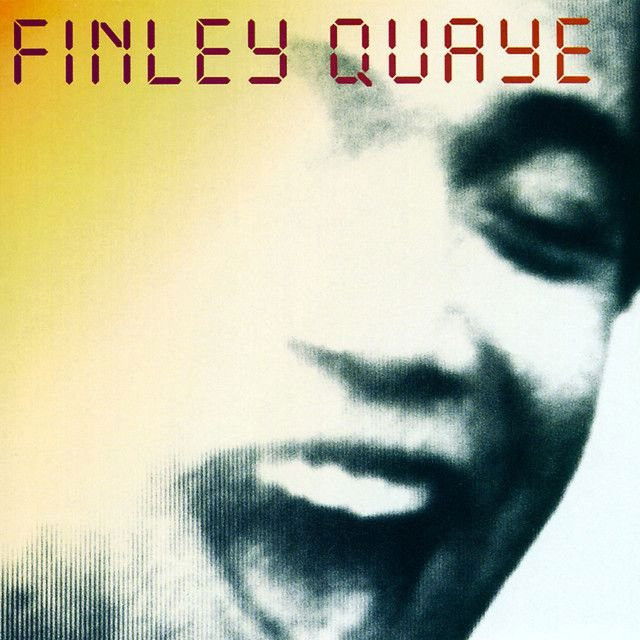
Even After All by Finley Quaye
A Love Song Standing in a Violent World
The meaning of Even After All Finley Quaye centers on a striking contrast: cruelty exists, social systems fail people, and suffering continues, yet love and human dignity still survive. The song does not sound defeated. Instead, it sounds calm, steady, and spiritually grounded.
"Even After All" - Finley Quaye
The murdering
Even after all
Loading lyrics...
Unable to load lyrics
We're unable to display the lyrics at this time. Please try again later.
Finley Quaye emerged during a strong 1997 breakthrough. Their debut album Maverick a Strike became a major success, and "Even After All" reached No. 10 on the UK Singles Chart, helping define that period of their career (Wikipedia). That context matters because the song captures what made Quaye stand out: they mixed reggae feeling, soul warmth, and pop accessibility without losing a deeper social conscience.
At its core, this is a song about choosing compassion after witnessing harm. The repeated hook, Even after all
, frames the whole message. It suggests endurance. No matter what violence or injustice has happened, the speaker still reaches toward love rather than revenge.

Watch the official Even After All
music video
The Central Message: Love After Damage
The song opens by placing love beside brutal reality. It mentions the murdering
and ongoing pain, then immediately answers that darkness with affection. That move is the key to the song's meaning. It is not naïve. It sees the damage clearly, then refuses to let damage have the last word.
Interpretation: Quaye seems to present love as an act of resistance. The speaker is not ignoring suffering; they are insisting that care can remain real even when the world feels broken.
That makes the song more than a simple romance track. When the speaker says You know I love you so
, the line can be heard as personal, but it also carries a communal tone. The "you" could be a lover, a wounded community, or even humanity itself. The lyric stays open enough for all three readings.
A Quiet Attack on Social Order
When the song turns political
One of the sharpest moments comes when the lyric addresses a "sir" and talks about the order of the day
. In plain terms, the song criticizes accepted systems and beliefs that people treat as normal just because society repeats them.
This matters because the song links private feeling to public life. Love is not shown as escape. It is shown as a response to a world shaped by power, rules, and hierarchy. The suffering in the song is not random; it grows inside a social order that the singer clearly distrusts.
Interpretation: This section suggests that Quaye is pushing against complacency. The song asks what it means to stay humane when society normalizes harm.
The Voice of the Song: Tender, But Not Passive
Even when the lyrics become fragmented, the speaker stays grounded. They talk about being satisfied, rejecting rivalry, and refusing shallow values. The phrase No competition
is important because it changes the emotional frame. The song is not trying to win over others through dominance. It values peace, uplift, and what truly helps.
That same spirit appears in the praise of beauty and the line about a beautiful soul. Physical attraction is present, but the song does not stop there. It moves from the eyes to the inner self. In other words, it says real worth is spiritual and moral, not superficial.
You just survive soldier
And your soul is beautiful
And your soul is good
This brief closing passage gives the song its emotional destination. After all the references to violence, social pressure, and struggle, the final image is survival with dignity. Calling someone a soldier honors endurance, but the focus is on their soul, not their toughness alone.
Why the Fragmented Lyrics Still Work
Some lines in "Even After All" feel dreamlike or loosely connected. That can make the song seem mysterious at first. But the fragments actually support the meaning.
Reggae and dub traditions often value mood, repetition, chant, and spiritual atmosphere as much as strict narrative. Quaye's writing here works in that mode. Rather than telling one clear story from beginning to end, the song builds a field of ideas: violence, social control, beauty, uplift, rhythm, and survival.
The references to "sonic fruits" and movement suggest growth through sound itself. Music becomes nourishment. That image fits the whole song, because the track does not only talk about healing; it tries to create a healing space while it plays.
How the Sound Carries the Meaning
The production is a big part of why the song feels hopeful instead of crushed. Quaye's style during Maverick a Strike blended reggae, soul, and pop textures, a mix widely noted in accounts of the album's sound and success (Wikipedia). In "Even After All," that blend helps soften the weight of the lyrics without weakening them.
The groove is relaxed, almost floating. That matters. A harsher arrangement could have turned the song into protest alone. Instead, the gentle rhythm creates steadiness. It feels like recovery in real time.
Their vocal delivery also shapes the message. They do not shout the pain. They sing with warmth and restraint, which makes the love sound more believable. The calm tone says survival is possible.
Final Take on the Song's Meaning
The meaning of Even After All Finley Quaye is ultimately about moral persistence. The song looks at violence, social damage, and emotional exhaustion, then answers with love, spiritual worth, and refusal to become hard.
Its most moving idea is simple: goodness can remain after harm. That is why the song still resonates. It offers hope, but not cheap hope. It is the kind earned by seeing the worst and still choosing care.
Disclaimer: This interpretation is based on the song's lyrics, sound, and available career context. As with many poetic songs, listeners may reasonably hear different meanings in it.








