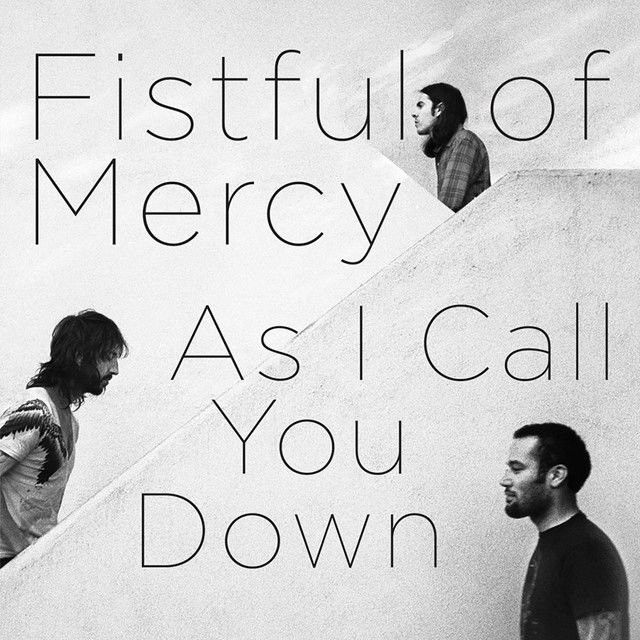
Father's Son by Fistful of Mercy
The meaning of Father's Son Fistful of Mercy centers on guilt, inherited values, and the fear of becoming the very person they were warned not to be. The song presents a narrator who knows right from wrong, yet keeps crossing that line. That tension gives the track its weight: this is not a proud outlaw song, but a troubled confession.
"Father's Son" - Fistful of Mercy
To never ever hurt no one
But now I'm sick and mad and I've been caught red handed
Loading lyrics...
Unable to load lyrics
We're unable to display the lyrics at this time. Please try again later.
Fistful of Mercy was a short-lived trio made up of Ben Harper, Dhani Harrison, and Joseph Arthur, whose debut album As I Call You Down leaned into roots rock, folk, and spiritual blues. In “Father's Son,” they use that shared style to tell a story about moral collapse. The result feels intimate, haunted, and deeply uneasy.
A Confession, Not a Defense
At the heart of the song is a man who remembers his father's advice and still fails to live by it. Early on, he recalls being told to never harm anyone, then admits he has been caught doing wrong. When he says my father's son
, the phrase works two ways at once.
On one level, it means they still carry their family identity. On another, it sounds bitter and ironic: if they are still their father's son, why have they betrayed what they were taught? That contradiction drives the whole song.
This is why the track feels more like testimony than storytelling. The narrator is not trying to impress anyone. They are laying out their damage in plain terms.

Watch the official Father's Son
music video
The Story Moves From Shame to Spiritual Fear
The verses build a rough timeline of collapse:
- They remember a moral code from childhood.
- They admit violence and public exposure.
- They lie awake with a weapon and dark thoughts.
- They ask God for forgiveness.
- They confess to harming a partner and losing that relationship.
That structure matters. The song does not show one bad night; it shows a pattern. The line about staying awake until morning with a pillow and a gun
suggests paranoia, danger, and self-destruction. It turns insomnia into a sign of moral panic.
Then the song gets more explicit about spiritual ruin. The plea for mercy is undercut by the admission I don't deserve
. That phrase is small, but it carries the song's emotional center. They are not bargaining with God; they are admitting they have no good excuse left.
The Chorus Sounds Like a Warning Bell
The repeated cry to the Lord gives the song its hook, but it also sharpens its meaning. When the narrator says I'm so down Lord
and asks to slow down Lord
, they sound overwhelmed by their own momentum. The problem is not only guilt after the fact. It is the fear that they are still falling.
I'm so down Lord
Better slow down Lord
Those lines are simple, but that is the point. The language becomes stripped down because the speaker is out of arguments. They can only confess and ask for intervention.
Violence, Sin, and the Broken Self
One of the hardest parts of the song is its blunt description of abuse. The narrator admits they told their partner to leave, and when she did not, they became physical. That detail should not be softened. It matters because it proves the song is about real moral failure, not abstract sadness.
Interpretation: The song may be exploring the cycle of inherited identity without saying violence is inherited. In other words, the father represents conscience and moral law, while the son represents the painful fact that knowing better does not always stop harm. The title's tension comes from that gap.
Another important line is the claim that The Devil's all I serve
. Taken literally, it is religious language. Taken emotionally, it means they feel consumed by their worst impulses. Either way, the song frames wrongdoing as both personal choice and spiritual defeat.
How the Sound Deepens the Meaning
Part of the meaning of Father's Son Fistful of Mercy comes from its arrangement. The group favored acoustic textures, close harmonies, and a raw live-band feel across the album release. Here, that sound creates a worn, human setting for the confession.
The instrumentation does not rush. Guitars feel earthy rather than polished, and the vocal blend gives the song a communal sorrow, as if more than one soul is carrying the burden. That matters in a trio featuring songwriters known for spiritual searching and roots-based music.
Instead of dramatic production tricks, the song uses restraint. That makes the lyrics hit harder. A cleaner or more aggressive rock arrangement might have turned the narrator into a movie character. The acoustic, bluesy setting keeps them close and painfully believable.
Why the Song Still Lingers
What makes “Father's Son” memorable is that it does not offer easy redemption. There is a prayer, but no clear answer. There is guilt, but no proof of change. That unresolved ending is powerful because many songs about sin move quickly toward forgiveness. This one stays inside the wreckage.
Interpretation: Listeners can hear the song in two main ways. First, as a portrait of one damaged man confessing his crimes and asking for mercy. Second, as a broader meditation on how conscience, religion, masculinity, and violence can collide inside one person. Both readings fit the text.
In the end, the song suggests that identity alone does not save anyone. Being someone's son, knowing the rules, or even speaking to God does not erase what they have done. That is the darkest truth in the track, and also its honesty.
Disclaimer: This interpretation is based on the released lyrics, performance, and publicly available context. Like many songs, “Father's Son” can support more than one valid reading.







