Why 'Superman' Hurts More Than It Soars
The Heart of the Song
The meaning of Superman (It's Not Easy) Five for Fighting starts with a simple twist: this is not a victory song about a flawless hero. It is a song about pressure, loneliness, and the gap between how strong someone looks and how fragile they may feel inside.
"Superman (It's Not Easy)" - Five for Fighting
I'm not that naive
I'm just out to find
Loading lyrics...
Unable to load lyrics
We're unable to display the lyrics at this time. Please try again later.
John Ondrasik, the songwriter behind Five for Fighting, wrote the song from Superman's point of view as a metaphor for feeling unseen and unheard. He described the idea as frustration about the inability to be heard
in an interview with Songfacts. That context matters because the song came after an earlier album failed to break through, so the hero image becomes a mask for private doubt.
In plain terms, the narrator sounds like someone everyone depends on, but no one fully understands. The title phrase it's not easy to be me
is not bragging. It is a confession.
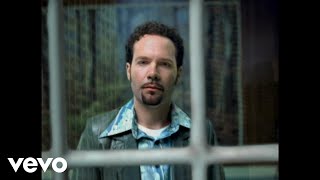
Watch the official Superman (It's Not Easy)
music video
A Hero Reduced to a Human Voice
One of the song's smartest moves is how it strips away the myth. Early on, the singer says I can't stand to fly
, which immediately flips the Superman image. Flying should mean freedom, but here it feels like fear and distance.
That same idea grows stronger when the song rejects shallow symbols of heroism. The narrator is not interested in being admired as a costume or a perfect image. The key line only a man
brings the character down to human size. Even more revealing is funny red sheet
, a phrase that makes the famous cape sound almost silly.
Interpretation: This language suggests that fame, duty, or even other people's expectations can turn a person into a symbol. The song pushes back by saying the symbol is still a person with limits.
How the Verses Build the Theme
The first verse presents a search for identity. The speaker is trying to find the best part of himself, not celebrate powers. That makes the song less about comic books and more about self-worth.
The next lines deepen that struggle. The narrator wants to cry, kneel, and admit pain, but seems trapped by the role he has to play. The song's most famous thought is brief and powerful: heroes are allowed to hurt too. That idea is why so many listeners connect it to parents, caregivers, leaders, and first responders.
Even heroes have the right to bleed
Even heroes have the right to dream
That short passage is the emotional center of the song. It argues that strength does not cancel emotion. In fact, the song says real strength may include vulnerability.
Why the Chorus Landed So Hard
The chorus works because it is both personal and universal. On the surface, it is Superman speaking. Underneath, it could be anyone carrying too much.
When the narrator says people can rest safely, there is comfort in the line, but also sadness. He protects others while staying emotionally separate from them. That creates a painful tension: the stronger he must appear, the less room he has to be honest about his own needs.
Interpretation: This is why the song often feels like an anthem for exhausted adults. Ondrasik later told American Songwriter that many grown listeners related to the pressure of being the rock for a family. The song's power comes from that overlap between superhero burden and everyday responsibility.
The Sound Makes the Meaning Clearer
Musically, the song supports its message with restraint. Released in 2001 as a single from America Town, it was written by Ondrasik and produced by Gregg Wattenberg and Five for Fighting. It leans toward soft rock and pop rock, built around piano, a steady beat, and a vocal that sounds earnest rather than flashy.
That matters. A louder arrangement could have made the song feel heroic in the usual sense. Instead, the piano-led production leaves space for reflection. The melody rises, but never explodes into triumph. It aches more than it conquers.
Ondrasik told American Songwriter he wrote the song in less than an hour, though he framed that speed as the result of years of practice. That mix of simplicity and craft helps explain why the song feels so direct. Nothing in it sounds overworked.
The 9/11 Context Changed Its Legacy
Factually, the song was released before September 11, 2001, on April 16, 2001, and later became Five for Fighting's first major U.S. hit, peaking at No. 14 on the Billboard Hot 100 and reaching No. 1 on Adult Pop Airplay. It was also nominated for a Grammy and became a long-running Adult Contemporary favorite.
After 9/11, though, its meaning widened. CBS News later said it became an anthem
in the days after the attacks because its humanity matched the country's mood. Ondrasik performed it at the Concert for New York and called that appearance the most important thing
he would do musically, according to Songfacts.
That does not mean the song was originally written about 9/11. It was not. But public events can reshape a song. In this case, listeners heard it as a tribute to firefighters, police, rescue workers, and ordinary people asked to be brave under impossible pressure.
Lasting Meanings Beyond Superman
There are a few strong ways to read the song:
- Authorial reading: a metaphor for feeling misunderstood and unable to break through.
- Everyday reading: the emotional cost of being dependable for others.
- Cultural reading: a post-9/11 comfort song about wounded heroism.
All three fit because the lyrics stay broad enough to travel. The superhero frame gives the song a familiar image, but the emotions are ordinary: fear, duty, isolation, and hope.
In the end, the meaning of Superman (It's Not Easy) Five for Fighting is less about superpowers than about the burden of being needed. Its lasting message is gentle but firm: no one, not even a hero, stops being human.
Disclaimer: This interpretation separates documented facts about the song's creation and reception from critical reading of its lyrics. Meaning can vary from listener to listener.








