What "Hey, Johnny Park!" Really Means
The meaning of Hey, Johnny Park! Foo Fighters is not a neat one-line answer, and that is part of why the song lasts. On the surface, it sounds like a tense conversation with someone who still matters. Under that, it feels like a song about memory, guilt, and the struggle to say what they really mean before time changes everything.
"Hey, Johnny Park!" - Foo Fighters
This beautiful bruises colors
Everything fades in time, it's true
Loading lyrics...
Unable to load lyrics
We're unable to display the lyrics at this time. Please try again later.
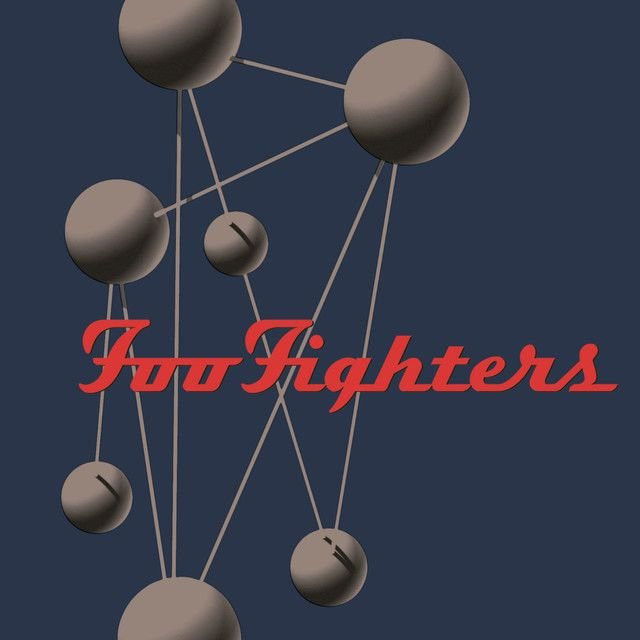
Factually, the track appears on The Colour and the Shape, Foo Fighters' second album, released in 1997 and produced by Gil Norton. It was also one of the key songs on the record that helped define the band's move from Dave Grohl's early solo-project identity into a more fully formed group sound. Grohl has said the song was about "15 different things," and the title came from a childhood friend named Johnny Park. Those details matter because they explain why the lyrics feel fragmented but emotionally true.
A Song Built on Emotional Crosscurrents
The clearest reading is that the song captures a relationship in a state of uncertainty. They seem drawn toward someone, but they also seem afraid of what honesty might cost. Early phrases like take you under
and everything fades in time
suggest both intimacy and loss. The speaker wants connection, yet already knows it may not last.
That emotional split runs through the whole track. The images are vivid but unstable: bruises are described as beautiful, and someone's eyes move from numbness to color. In plain terms, the song treats pain and attraction as tangled together. It is less about a clean breakup story than about the confusing aftershocks of a bond that has changed.

Watch the official Hey, Johnny Park!
music video
Why the Chorus Feels So Restless
The chorus is where the song's real pressure shows. Short lines like I can't let it out
and Am I selling you out?
make the conflict sound internal. They are not just hiding feelings; they are worried that speaking openly could become a betrayal.
That makes the song more interesting than a simple love song. Interpretation: it can be heard as the voice of someone who is watching another person's moods closely while censoring their own words. The repeated idea of your every mood
suggests hyper-awareness, almost like they are trying to read a room before deciding whether the truth is safe to say.
The Imagery of Color, Damage, and Change
One of the strongest parts of the song is its visual language. The phrase about "beautiful" bruises turns injury into color, which fits the larger album title The Colour and the Shape. On that album, emotional pain is often made physical. Here, bruises, fading, and changing eyes all work as signs that experience leaves marks.
Another key image is the line about eyes that shift from blindness to blue. Paraphrased, that suggests awakening after confusion. Interpretation: the person in the song may be seeing things clearly too late, after damage has already been done. That would explain the regret that hangs over the verses.
It's impossible
You'll never know
Sit and watch
Your every mood
These short lines show how the song moves: silence, distance, and observation instead of resolution.
The Title's Strange Personal Weight
The title can mislead listeners into expecting a direct character sketch, but the song is not really about narrating Johnny Park's life. According to band-related sources and album histories, Johnny Park was Grohl's childhood friend, someone he remembered with deep affection. That gives the title a personal anchor even if the lyrics roam across several emotional ideas.
That detail matters because it frames the song as memory-driven rather than purely fictional. Interpretation: using a real name may be a way of grounding a swirl of feelings in one concrete symbol from the past. The song can then hold friendship, longing, romantic fallout, and lost contact all at once.
How the Sound Carries the Meaning
Musically, "Hey, Johnny Park!" is classic mid-'90s Foo Fighters: melodic, loud, and nervy. The guitars shimmer rather than crush, which gives the song lift even when the lyrics are unsettled. The drums push hard, and Grohl's vocal sits between urgency and restraint. That balance mirrors the words: the arrangement surges forward while the narrator hesitates.
This fits the wider story of The Colour and the Shape. The album was made during a major transition for the band, with producer Gil Norton helping sharpen the songs into something punchier and more dynamic. That polish matters here. The song sounds open and bright, but the emotions inside it are knotted. That contrast is a big reason it connects.
A Few Strong Interpretations
There is no single official answer, but three readings make the most sense:
- A strained relationship song. They want to reconnect, but distrust and hurt get in the way.
- A memory song. The title points back to childhood, making the lyrics feel like fragments of past attachment.
- A song about emotional self-censorship. The real drama is not what happened, but what they cannot bring themselves to say.
The best reading may be a mix of all three. That matches Grohl's own comment that it is about many things at once.
Why the Song Still Resonates
The meaning of Hey, Johnny Park! Foo Fighters stays powerful because it never over-explains itself. Instead, it gives listeners flashes of tenderness, shame, beauty, and distance, then lets those feelings overlap. That makes it feel like real memory, which is rarely tidy.
For many listeners, that is the song's secret strength. It sounds huge, but it speaks in fragments. And those fragments feel honest.
Disclaimer: This article offers interpretation based on the lyrics, artist comments, and album context. Since the writers did not provide one fixed explanation, some meanings remain open to listener judgment.








