Why Foo Fighters' 'I'll Stick Around' Still Hits
The meaning of I'll Stick Around Foo Fighters comes into focus fast: this is a song about cutting ties with a manipulative person and refusing to carry their chaos any longer. It sounds angry, but it is also steady. Rather than collapse under pressure, the speaker draws a line and stays standing.
"I'll Stick Around" - Foo Fighters
Every word I said was true, that you'll see
How could it be I'm the only one who sees
Loading lyrics...
Unable to load lyrics
We're unable to display the lyrics at this time. Please try again later.
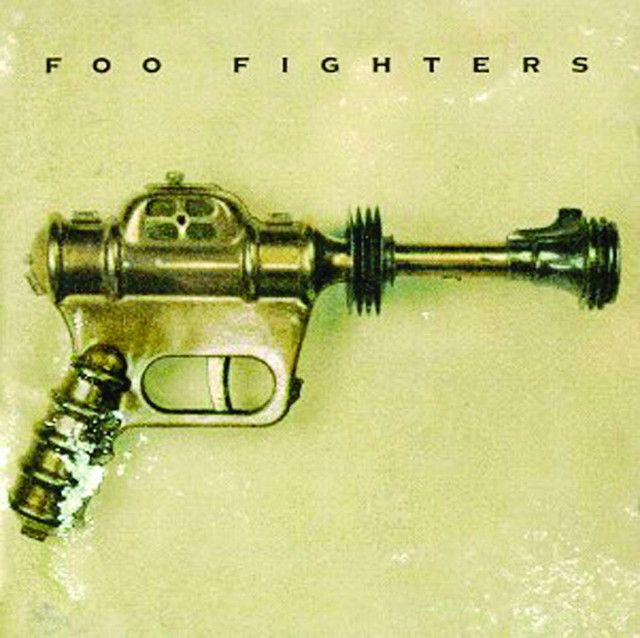
Factually, "I'll Stick Around" was released on September 4, 1995, from Foo Fighters' self-titled debut album, and Dave Grohl wrote it himself. On the debut recording, Grohl also played all the instruments, a key detail in understanding the song’s direct, personal force. The track is commonly described as grunge, alternative rock, and punk rock in its blend of weight and speed.
A Breakup Song Without Romance
At its core, the song is not about heartbreak in a traditional love-song sense. It is about emotional warfare, blame, and self-protection. The speaker sees through someone’s behavior and refuses to be controlled by it.
Early lines point to that recognition with phrases like rehearsed insanity
. That wording suggests the chaos is not random. It feels practiced, even strategic. The speaker believes they are watching someone perform disorder in order to dominate the people around them.
Interpretation: This is why the song feels colder than many 1990s rage songs. It is not just an outburst. It is a judgment. The narrator has studied the pattern and decided they are done participating.
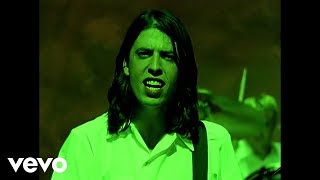
Watch the official I'll Stick Around
music video
The Real Weight of the Chorus
The emotional center of the song is the repeated line I don't owe you anything
. It is simple, but that simplicity is the point. The speaker strips the conflict down to one truth: they are not responsible for another person’s damage, plans, or demands.
That refrain matters because it rejects guilt. Many toxic relationships survive because one person feels they must keep fixing, explaining, or apologizing. Here, the song tears that idea apart. The repeated hook becomes an act of release.
I'll stick aroundLearn from all that came from it
This brief closing idea adds an important twist. The speaker is not just leaving emotionally; they are surviving and learning. They remain present long enough to outlast the situation and turn pain into experience.
A Timeline of Resistance
The verses move like a short argument that builds toward freedom:
- First, the speaker says they can see through the other person’s behavior.
- Then they reject the
methods you abuse
, making clear that manipulation has already happened. - Next, they mention others who were controlled, described through the image of
pawns
, which widens the song beyond one private conflict. - Finally, the chorus and title shift from defense to endurance: they will remain, recover, and learn.
That structure helps explain why the song feels so satisfying. It does not wander. Every section pushes from recognition to refusal to survival.
Context Around Dave Grohl’s Writing
For years, listeners speculated that the song targeted Courtney Love. Later, Grohl confirmed that reading. According to Wikipedia, which cites published sources, he said in 2009 that it was no secret the song was about her.
That fact gives the song historical context, but it should still be handled carefully. The most useful way to read the track is through what is clearly in the lyrics: the speaker feels manipulated, boxed in, and finally unwilling to accept blame.
Interpretation: Even without knowing the reported real-life target, the song works as a broad statement about reclaiming agency from a controlling figure.
How the Sound Carries the Message
The production makes the meaning hit harder. On the debut album, Grohl recorded the songs largely by himself, with Barrett Jones co-producing. That gives the track a tight, focused feel. There is little softness between the vocal attack and the guitar churn.
The drums push forward instead of dragging in grief. The guitars sound rough-edged, but the song is still hooky, which matters. It turns resentment into motion. Rather than sounding trapped, it sounds like someone kicking a door open.
Grohl’s vocal is also key. He does not sing these lines with wounded fragility. He sounds irritated, alert, and determined. That tone keeps the song from becoming self-pitying.
The Video’s Strange Visual Echo
The song’s first music video was directed by Jerry Casale of Devo, according to Wikipedia. Its surreal style, including the floating spore-like object sometimes called the “Foo Ball,” matches the song’s feeling of confronting something grotesque and unstable.
Even if viewers ignore the backstory, the visual concept fits the track’s mood: a band staring down a weird, looming threat while continuing to play through it. That is basically the song’s emotional logic too.
Why the Song Endures
Part of the meaning of I'll Stick Around Foo Fighters is that it offers a form of anger that feels useful. It does not glorify revenge. It chooses boundaries. It says survival can be louder than surrender.
That is likely why the song still lands decades later. Many listeners hear their own version of that conflict in it: a boss, ex, friend, or public figure who used pressure and confusion to gain power. The song answers that with clarity.
In the end, "I'll Stick Around" is a song about seeing manipulation for what it is and refusing to be owned by it. Interpretation: Its lasting power comes from that blend of fury and discipline.
Disclaimer: This interpretation combines confirmed background facts with critical reading of the lyrics and sound. Meanings can vary from listener to listener.







