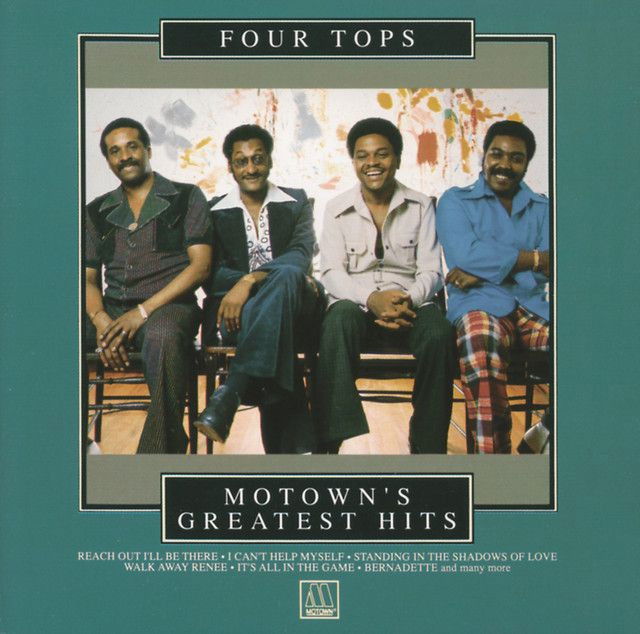
Standing in the Shadows of Love by Four Tops
A Motown heartbreak song that never waits for the fall
The meaning of Standing in the Shadows of Love Four Tops starts with a painful idea: they are not reacting to a breakup after it happens. They are bracing for it before it fully lands. That is what makes the song feel so tense. The singer already senses that love is slipping away, and the whole record lives in that awful space between hope and certainty.
"Standing in the Shadows of Love" - Four Tops
I'm getting ready for the heart aches to come.
(Can't you see me) Standing in the shadows of love
Loading lyrics...
Unable to load lyrics
We're unable to display the lyrics at this time. Please try again later.
Released in late 1966 as a follow-up to the Four Tops' huge hit Reach Out I'll Be There
, the song was written and produced by Holland–Dozier–Holland and became another major success, reaching No. 2 on the soul chart and No. 6 on the Billboard Hot 100. It also appeared on Reach Out. Those facts matter because this song almost works like the dark mirror of the earlier hit: one offers rescue, while this one expects ruin.

Watch the official Standing in the Shadows of Love
music video
What the lyrics are really saying
At the center of the song is a narrator who feels abandoned before the final goodbye is even spoken. The title image, standing in the shadows of love
, suggests they are close to love but no longer inside its warmth. They are pushed to the edge, where light turns dim and fear grows.
The repeated warning about heartaches to come
shows that the song is about anticipation as much as loss. They are not shocked. They are preparing themselves, almost like someone hearing thunder before a storm reaches the house.
That emotional setup gives the verses their force. The singer runs through questions and defenses, insisting they loved hard, stayed loyal, and did their best. In simple terms, they cannot understand why devotion has not protected them. The pain is sharpened by confusion.
I want to run
there's no place to go
This short moment captures the trap. They want escape, but heartbreak feels unavoidable. Love is no longer a shelter; it is a fate chasing them down.
The song's main themes
Fear before the breakup
Many breakup songs describe damage after the fact. This one lives in dread. The singer feels the ending coming and is trying to toughen up for it. That is why the chorus feels less like a cry and more like emotional self-defense.
Love as dependence
Another key idea is that romantic love has become the singer's emotional foundation. When they suggest losing this love means the beginning of the end
, the point is not just sadness. It is collapse. Their identity seems tied to being loved back.
Protest and disbelief
The singer also argues their case. They ask whether they were caring enough, steady enough, present enough. These questions are not calm reflection. They sound like someone trying to stop the verdict from being announced.
How Levi Stubbs' voice changes the meaning
A Four Tops song often depends on Levi Stubbs' voice, and this track is a prime example. His lead performance does not sound polished in a distant way. It sounds strained, urgent, and close to breaking. Critics have often highlighted that power; AllMusic's Andrew Hamilton called the record a "timeless blast" and praised how Stubbs makes the emotion feel nearly overwhelming.
That delivery matters because the lyrics alone could have sounded melodramatic in lesser hands. Stubbs makes them believable. When he pushes into the higher, rougher edges of his voice, they hear a person trying to stay upright while panic sets in.
Why the production feels so intense
The record's meaning is also carried by its sound. Like many classic Motown cuts, it is compact, rhythmic, and built for motion. But here, motion does not feel joyful. It feels hunted.
The production by Holland–Dozier–Holland, with the Funk Brothers providing the instrumental backbone, drives forward with pounding drums, sharp accents, and a quick pulse. Research on the song often notes its resemblance to Reach Out I'll Be There
, but the emotional result is very different. The arrangement sounds like a chase scene, which fits a narrator who cannot outrun heartbreak.
The background vocals deepen that pressure. Instead of soothing the lead, they often feel like echoes of fate closing in. That is part of why some reviewers described the record as dramatic and impassioned. Even at just over two and a half minutes, it feels packed tight with emotional motion.
Artist context helps explain the song
By 1966, the Four Tops were one of Motown's most powerful groups, and Holland–Dozier–Holland were at the center of the label's hitmaking machine. In that context, this single shows how Motown could take deep sorrow and shape it into something immediate and radio-ready without softening the emotion.
There is also an interesting creative link in the title history. Sources note that Holland–Dozier–Holland had earlier used a related title idea in Standing at the Crossroads of Love
for the Supremes. Here, they sharpened that image into something more ominous. A crossroads suggests choice; shadows suggest helplessness.
One strong interpretation of the song
Interpretation: the song is about emotional powerlessness more than simple rejection. The singer is not only losing a partner. They are losing control over the story they tell themselves about loyalty, effort, and reward. They believed love worked like a bargain: if they gave enough, it would stay. The song shows that painful lesson failing in real time.
A second valid reading is that the track captures masculine vulnerability in a very open way for its era. The singer is proud, pleading, wounded, and scared all at once. That emotional mix is part of why the record still feels modern.
Why the song still hits
The Four Tops turned pre-breakup anxiety into one of Motown's most gripping singles. The lyrics show someone preparing for pain, the performance makes that fear feel immediate, and the production keeps everything moving as if the heartbreak is already on its way.
That is the lasting meaning of Standing in the Shadows of Love Four Tops: sometimes the hardest part of loss is not the ending itself. It is the moment when they can already see it coming.
Interpretation disclaimer: Song meaning can vary by listener. This reading separates documented facts about the song's release and production from interpretive analysis of its lyrics and emotional themes.







