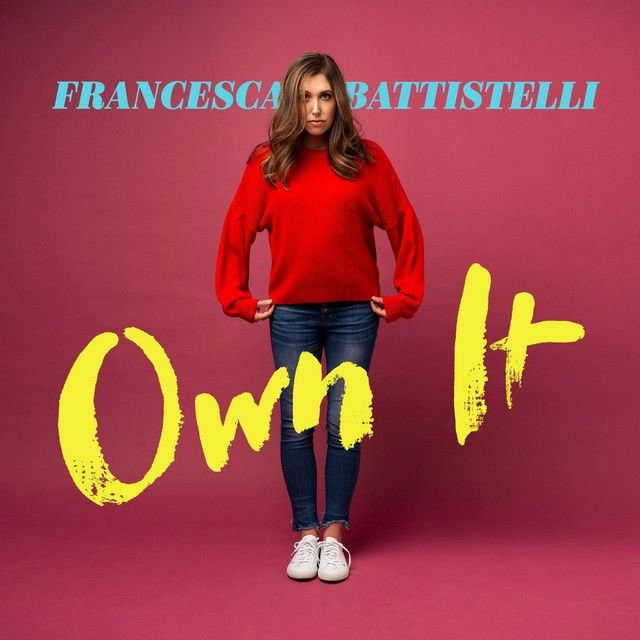
Royalty by Francesca Battistelli
The meaning of Royalty Francesca Battistelli centers on identity. This is a song about people who once felt rejected, broken, or unseen but now see themselves as loved, chosen, and secure. Its message is openly Christian, yet its emotional pull is easy to understand even for casual listeners: it tells people they do not have to live by old labels.
"Royalty" - Francesca Battistelli
From forgotten to remembered
From the victim to the victor
Loading lyrics...
Unable to load lyrics
We're unable to display the lyrics at this time. Please try again later.
A Song About Identity, Not Status
At first glance, the title can sound like a song about power or luxury. But "Royalty" is really about spiritual worth. The verses keep flipping painful states into healed ones, showing a before-and-after journey. Battistelli and her co-writers, Mia Fieldes and Seth Mosley, build the lyric around transformation rather than ego.
The opening movement makes that plain. The song shifts from being overlooked to being known, from hurt to healing, from defeat to triumph. Short phrases like from rejected to accepted
and from forgotten to remembered
frame the core idea: identity can be rewritten.
Interpretation: The royal image is not about superiority over others. It is about dignity being restored. When the chorus says we're royalty
, it sounds less like bragging and more like a communal reminder to stop believing lesser stories about themselves.

Watch the official Royalty
music video
The Christian Meaning Behind the Lyrics
The song uses language that comes straight from Christian theology. It talks about adoption, belonging, redemption, and new life. Lines such as sons and daughters
and chosen and redeemed
place the song in a faith-based framework where believers are seen as part of God’s family.
That matters because the lyric is not just offering generic self-esteem. It roots confidence in relationship. They are worthy not because they earned a crown, but because they were welcomed in. The song’s emotional center is belonging.
No longer orphans, now sons and daughters
Worthy and wanted, we belong
This is the one place where the song says its message most directly. The image of moving from orphanhood to family turns abstract faith into something personal and easy to feel.
How the Verses Build the Message
The structure is simple but effective. Each verse stacks opposites: rejected/accepted, abandoned/exalted, shadows/light, dead/alive. That repeated pattern gives the song momentum.
Three key beats stand out:
- It names pain honestly.
- It answers that pain with a new identity.
- It turns that truth into a group declaration.
Because of that design, the chorus feels earned. The song does not jump straight to celebration. It first acknowledges what people have carried. That makes the confidence in crowned in dignity
feel like healing, not denial.
Why the Repetition Matters
The repeated we are
is one of the smartest parts of the song. It sounds simple, but repetition acts like reinforcement. The lyric keeps returning to identity because identity is exactly what the song believes people forget.
In practical terms, the repetition makes "Royalty" work well in live Christian pop settings. It is memorable, easy to sing with others, and built for shared affirmation. Instead of telling a detailed story about one person, it invites a room full of people to speak together.
Interpretation: That shared voice may be why the song feels so encouraging. It replaces isolation with community. The listener is not hearing one singer’s confidence; they are being invited into it.
How the Sound Supports the Lyrics
Battistelli is known in contemporary Christian pop for pairing clear messages with polished, radio-friendly production. Songwriting credits in the prompt list Seth Mosley, a major figure in Christian pop production and writing, which fits the song’s sleek, anthemic design.
Even without reproducing the full arrangement in technical detail, the song’s likely musical strategy is easy to hear: a bright beat, rising energy, and a chorus built to open up emotionally. The repeated hook, strong rhythm, and uplifting melodic lift all support the message of moving from defeat to victory.
That matters for meaning. A quieter, more fragile arrangement would make the lyrics sound private and reflective. "Royalty" instead sounds public and triumphant. The production turns theology into an anthem.
Francesca Battistelli’s Broader Artistic Context
Francesca Battistelli has often written songs that connect faith to everyday emotional life. Earlier in her career, she spoke about writing from personal seasons, including marriage and motherhood, in discussing songs from Hundred More Years with Songfacts. In that interview, she said that record reflected a stage of learning to cherish life’s moments. That broader pattern in her catalog helps explain why "Royalty" feels relational, not abstract: even when the theme is spiritual identity, the language stays human and accessible.
That is important context for the meaning of Royalty Francesca Battistelli. The song fits an artist who tends to make big faith ideas feel close to ordinary listeners.
A Wider Reading Beyond Church Language
Although the song is clearly Christian, there is also a broader emotional reading. Anyone who has felt dismissed or defined by past pain can hear themselves in its movement from brokenness to value.
Still, the clearest factual reading is faith-based. The lyric points to identity given by God, not merely discovered within the self. That distinction shapes the whole song.
Final Take
"Royalty" is an anthem about new identity, belonging, and restored worth. Its central claim is that people do not have to keep living as rejected or forgotten when they have been renamed, welcomed, and given dignity.
For many listeners, that is why the song lands: it turns doctrine into encouragement and encouragement into a sing-along declaration.
Disclaimer: This interpretation is based on the lyrics, songwriting context provided, and Francesca Battistelli’s broader artistic style. As with any song, listeners may hear meanings that differ from the writer’s original intent.








