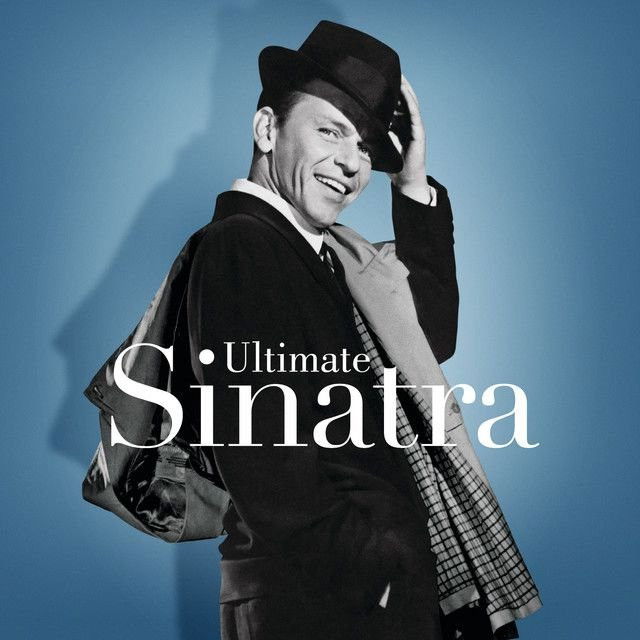
Theme From New York, New York by Frank Sinatra
The Big City Dream in One Song
The meaning of Theme From New York, New York Frank Sinatra centers on ambition, reinvention, and the pressure of proving oneself on the biggest stage possible. The song turns New York City into more than a place. It becomes a test.
"Theme From New York, New York" - Frank Sinatra
I want to be a part of it
New York, New York
Loading lyrics...
Unable to load lyrics
We're unable to display the lyrics at this time. Please try again later.
The singer is not just traveling. They are announcing a personal challenge. When the song opens with Start spreadin' the news
, it sounds like a public declaration. They want the world to know they are stepping into the arena.
That idea is why the song has lasted so long. It speaks to anyone who has ever left comfort behind and chased a harder, brighter life.
Watch the official Theme From New York, New York
music video
From Movie Ballad to Sinatra Signature
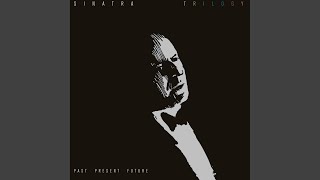
Factually, the song was written by John Kander and Fred Ebb for Martin Scorsese's 1977 film New York, New York, where Liza Minnelli introduced it in the finale, according to Wikipedia. Frank Sinatra later recorded it for his 1980 album Trilogy: Past Present Future, and his version became the best-known one.
That shift matters for interpretation. Minnelli's film performance carries show-business drama, but Sinatra's version feels more like a public creed. He sounds less like a character and more like a man measuring himself against legend.
His recording also became a major late-career hit, reaching No. 32 on the Billboard Hot 100 and No. 10 on Adult Contemporary. That success helped fix the song in American culture, especially in New York.
What the Lyrics Are Really Saying
At the lyric level, the song is simple on purpose. It follows one emotional arc: leave the past, enter the city, survive its demands, and come out transformed.
The phrase vagabond shoes
suggests restlessness. The singer is built to move, not stay still. Then the image of the city's very heart of it
shows they do not want the edges of experience. They want the center, where the stakes are highest.
That is why the small-town line matters too. When those little town blues
start to fade, the song is not insulting small places. It is saying the singer feels too large for their old life. New York represents scale, speed, and risk.
If I can make it there
I'm gonna make it anywhere
Those lines carry the song's core belief. Success in New York stands in for success under maximum pressure. The city becomes a symbol for judgment itself.
A Voice Talking to the City Like a Rival
One of the most interesting parts of the song is how it addresses New York almost like a person. The closing challenge, It's up to you
, sounds bold, but also slightly defensive. The singer is ready, but the city still has to accept them.
Interpretation: this gives the song a double meaning. On one level, it is a confidence anthem. On another, it reveals anxiety. People usually do not boast this hard unless they know failure is possible.
That tension is what keeps the song from becoming empty hype. The singer wants to be king of the hill
, but they are not there yet. The song lives in the gap between desire and proof.
Why Sinatra's Performance Changes the Meaning
Sinatra did not write the song, but he reshaped how many listeners hear it. According to Songfacts, he began performing it in 1978 and developed the famous slowing at the climax that became central to his interpretation.
That performance style matters. He starts with snap and control, then opens the song wider as it rises. The brass arrangement by Don Costa gives it grandeur, but Sinatra's vocal makes the ambition sound lived-in rather than naive.
He was already a legend by the time he recorded it at age 64. Because of that, the song does not sound like a beginner's fantasy. It sounds like a veteran reasserting that the climb never really ends.
How the Music Sells the Dream
The production plays a huge role in the song's meaning. This is not a quiet ballad about private hope. It is a show tune transformed into a pop-standard statement.
The arrangement uses big-band brass, strong rhythm, and dramatic dynamic lifts. Each section grows in confidence, as if the singer is walking deeper into brighter light. By the end, the orchestra sounds almost architectural, like sonic skyscrapers rising around the voice.
That musical design supports the lyric theme perfectly:
- the swaggering tempo suggests forward motion
- the brass signals glamour and public victory
- the climactic slowdown turns effort into triumph
- the final repetition feels like a name becoming a monument
More Than a City Anthem
The song is now tied to civic ritual, sports, and public celebration. Sinatra's recording became especially linked to the New York Yankees and to the city's image in the wider culture. That history can make listeners forget the song's original emotional center.
At heart, this is not just about New York pride. It is about self-invention. New York works as the ultimate setting because it stands for pressure, competition, and visibility. The city is the place where identity gets tested in public.
Interpretation: that is why people far from New York still connect with it. They hear their own version of the city in it: Hollywood, Nashville, Wall Street, or any place where dreams meet hard standards.
The Lasting Meaning of Theme From New York, New York Frank Sinatra
The meaning of Theme From New York, New York Frank Sinatra is the thrill and fear of betting on oneself. It celebrates hunger, but it also admits that greatness must be earned.
Sinatra's version endures because it balances both sides. It sounds victorious, yet it is built on risk. The singer steps into the city believing they belong there, while knowing the city may still say no.
That mix of confidence and uncertainty is what gives the song its power. It is not just a postcard for Manhattan. It is an anthem for anyone trying to become larger than the life they started with.
Disclaimer: This interpretation blends documented context with critical reading of the lyrics and performance. Meanings can vary from listener to listener.







