Why 'Da' Dip' Still Moves the Room
The meaning of Da' Dip Freak Nasty starts with a simple truth: this song was built to make people move. Released in 1996 and later becoming a bigger hit in 1997, it was Freak Nasty's signature crossover moment, reaching No. 15 on the Billboard Hot 100 and eventually going Platinum. Those facts help explain why the song still lives in party memory: it was never trying to be mysterious. It wanted the room to react.
"Da' Dip" - Freak Nasty
Especially her
You know it don't even matter your age
Loading lyrics...
Unable to load lyrics
We're unable to display the lyrics at this time. Please try again later.
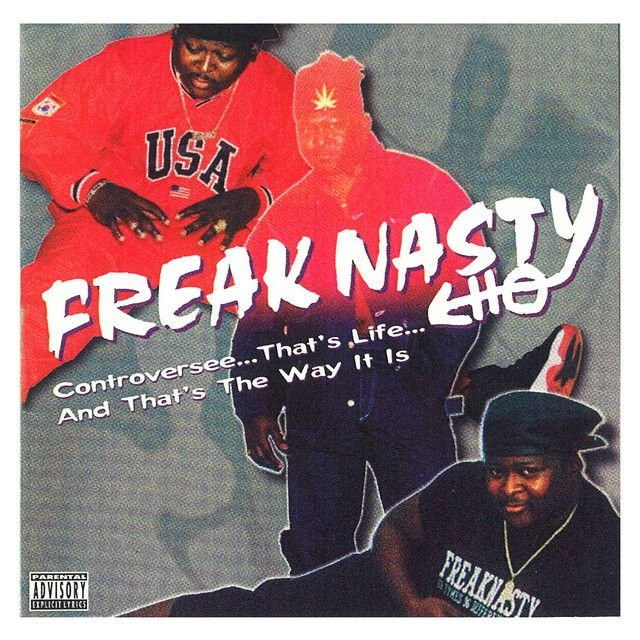
According to widely cited chart histories, “Da' Dip” was the lead single from Controversee...That's Life...And That's the Way It Is, and it remains Freak Nasty's biggest hit. Research sources also credit Eric Henry Timmons, better known as Freak Nasty, as the song's writer, with production commonly attributed to him as well. That matters because the record feels personal to his style: blunt, rhythmic, funny, and engineered for instant crowd participation.
A Party Record With a Clear Mission
At the most basic level, the song is a set of dance instructions wrapped in rap bravado. The hook centers on coordinated movement and physical closeness, turning one motion into a shared social ritual. When listeners hear when I dip, you dip, we dip
, the song gives them a pattern to follow, not just a lyric to remember.
That is the heart of the song's meaning. It is about synchronization. People are not just dancing near each other; they are being asked to respond together. In that sense, the track works like many great party anthems: it lowers the barrier to joining in.
There is also an inclusive setup in the intro. Freak Nasty addresses women first, then men, then basically everyone who likes to dance. The message is that the move belongs to the whole room. Interpretation: this opening frames the song as a communal event before the verses narrow into more flirtatious and sexual territory.

Watch the official Da' Dip
music video
The Hook Turns Touch Into Choreography
The chorus is famous because it is so physical and so simple. It links touch, timing, and repetition. A phrase like hand upon your hip
is not there for poetic mystery. It gives a body cue. Then the repeated dip becomes the song's central action.
This is why the chorus outlasted the rest of the lyric. People can remember it after one listen, and more importantly, they can perform it. That makes “Da' Dip” part song, part routine. Sources describing the music video note that it presents a cleaner, more group-based dance feel than some listeners might expect from the lyrics, closer to a crowd craze than pure grinding. That visual context supports the idea that the record was designed to spread through imitation.
I put my hand upon your hip
When I dip, you dip, we dip
Even in this short refrain, the structure is the point: action, response, repetition.
Verses Full of Flirtation, Boasts, and Club Energy
Outside the chorus, the song shifts into a more familiar 1990s rap-club mode. Freak Nasty hypes the crowd, talks directly to dancers, and mixes commands with sexual swagger. Phrases like roll those hips
and take a chance
keep the focus on participation, while other lines lean harder into lust and strip-club imagery.
That split matters. One side of the song is playful and collective. The other side is provocative and openly objectifying. Both were common in Miami bass and related Southern party rap, where energy and shock value often worked together. Interpretation: the song's tension comes from that dual identity. It invites everybody onto the floor, but it also filters the scene through a very male point of view.
Because of that, listeners can hear “Da' Dip” in two ways at once:
- as a fun dance record with a universal hook
- as a rowdy club fantasy full of exaggerated sexual talk
Both readings are supported by the lyric.
Why the Sound Matters as Much as the Words
The production is crucial to the meaning of Da' Dip Freak Nasty. The song fits the Miami bass or booty bass tradition: heavy low end, crisp drum-machine patterns, chant-like repetition, and a beat that values impact over subtlety. That style grew from electro-funk and Southern hip-hop scenes, and it was made for cars, clubs, skating rinks, and house parties.
In “Da' Dip,” the instrumental does three jobs at once:
- It gives dancers a clear pulse.
- It leaves space for repeated commands.
- It turns the hook into something almost percussive.
Freak Nasty's vocal delivery also helps. They rap with a loose, conversational confidence, like a host pushing the crowd deeper into the party. The lines are not densely layered with meaning; they are timed for reaction. That is not a weakness. It is the design.
A Snapshot of Late-90s Dance Rap
Context makes the song easier to understand. “Da' Dip” arrived during a period when novelty dance rap could break into the mainstream, and its success showed how regional Southern styles could cross over nationally. Later references and interpolations in pop culture kept the hook alive, including nods in rap songs, ads, and internet trends.
That afterlife says something important. The song survived because the central image is unforgettable. A listener may forget a verse, but not the shared motion at the center. Interpretation: its staying power comes from reducing the party experience to one repeatable act everyone can recognize.
The Lasting Takeaway
So, what is “Da' Dip” about? It is about coordinated movement, flirtation, and the thrill of a room locking into the same beat. The song's meaning is not hidden beneath the surface; it is right there in the command to join in.
At the same time, the record reflects the limits of its era, especially in the way some verses describe women. That makes it both a time capsule and a still-effective dance anthem.
Ultimately, the meaning of Da' Dip Freak Nasty is social more than emotional. It is a song about what happens when a beat, a simple move, and a memorable hook turn strangers into a crowd.
Disclaimer: This interpretation separates documented facts from critical reading. Meanings can vary based on listener experience and cultural context.







