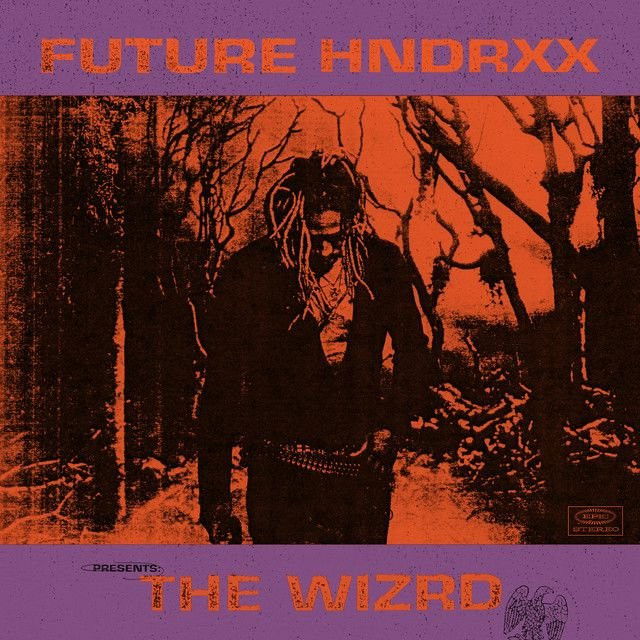
Call the Coroner by Future
Future’s meaning of Call the Coroner Future comes down to a familiar tension in his music: winning big while sounding spiritually cornered. The song is full of luxury, intimidation, and fast-living images, but it also hints that this kind of victory carries danger with it.
"Call the Coroner" - Future
(Say fuck the drug test, gon' pass my gas mask)
I think he's responsible for, for hundreds of quantities of drugs moving it into the United States
Loading lyrics...
Unable to load lyrics
We're unable to display the lyrics at this time. Please try again later.
On the surface, they deliver a flex-heavy anthem. Underneath, the track sounds like a portrait of someone trying to stay on top by becoming even harder, louder, and less reachable.
A Victory Lap With a Body Count
The central idea is simple. Future frames success through drug-empire language, then pushes that language until it becomes threatening. When they say they want to live like a drug lord
and feel so victorious
, the song links triumph to criminal mythology, power, and fear.
That is why the title phrase matters. A coroner is the official who investigates sudden or violent death, as explained in general reference material on the role of a coroner. In the song, call the coroner
is not a legal detail so much as a symbol of devastation. It suggests that when they arrive, something gets finished off—whether that means rivals, relationships, or old versions of themselves.
Interpretation: the hook turns bragging into a threat. It is not just “look how rich I am.” It is “look what this level of power does to everyone around it.”
Watch the official Call the Coroner
music video
The Hook Shows Glory and Collapse
The chorus is where the song reveals its split personality. Future talks about glory, victory, jewelry, cash, and speed, then slips in signs of physical and emotional strain. The line about withdrawals
and feeling like they are dying interrupts the celebration.
That contrast is key to the meaning of Call the Coroner Future. The song treats success as real, but unstable. They can buy more, wear more, and stunt harder, yet the body still crashes and the mind still feels hunted.
Why the Repetition Matters
The repeated phrases make the song feel trapped in a loop. The chant-like sections about a gas mask and stacked racks sound mechanical, almost numb. Instead of opening the world up, wealth narrows it into rituals: consume, protect, repeat.
Interpretation: repetition here acts like addiction. The same phrases return because the same urges return.
Drug-Lord Imagery Is Really About Control
Future has long used trap imagery as both autobiography-adjacent storytelling and larger-than-life persona building. On The WIZRD, released in 2019, they leaned into that mythic self-image across the album’s rollout and tracklist. The record was issued by Freebandz and Epic, and its credits list Nayvadius Wilburn among the writers for this song, alongside Bryan Lamar Simmons, Kevin Gomringer, and Tim Gomringer.
In this track, the drug-lord references are less about plot than status. A kingpin represents total control: money, fear, reach, and immunity. But Future undercuts that fantasy with panic and bodily weakness. They may sound untouchable, yet they also sound dependent on whatever keeps them moving.
I wanna live like a drug lord
but I wanna be glorious
That short contrast says a lot. One half is criminal power; the other is almost heroic fame. The song asks whether those two dreams can coexist without destroying the person chasing them.
Flash, Fashion, and the Cost of Image
Much of the song is built from visible status markers: chains, diamonds, a Lamborghini, designer labels, cash thrown in the air. These are not random details. They are armor.
When Future compares chains to Mardi Gras
, the image is bright, crowded, and excessive. Jewelry becomes spectacle. The pink shirt matched to diamonds does similar work: even color is curated to project control.
But this display also feels defensive. They mention not needing a stylist and making their own purchases, which turns fashion into self-authorship. In other words, the song says image is not decoration. It is survival branding.
How the Sound Supports the Message
Production matters here. The beat is sparse, hard, and cold, with enough space for Future’s voice to feel isolated inside it. The rhythm does not swing much; it stomps. That makes every boast hit like a warning.
Their delivery is equally important. They blur confidence and exhaustion, which is one reason the song works. They do not sound purely joyful. Even the flexes carry strain, as if the character has been awake too long and still refuses to slow down.
Interpretation: the sound design mirrors the lyrics’ emotional split. The production says power; the vocal texture says damage.
A Darker Reading of “Winning”
A listener could hear “Call the Coroner” as a straightforward street-rap banger, and that reading is fair. It absolutely trades in dominance, luxury, and intimidation.
But there is another reading that feels stronger. The song may be showing how success in this world requires emotional deadening. Every object shines, yet almost every feeling comes out as threat, numbness, or withdrawal. Even desire becomes transaction.
That makes the song less celebratory than it first appears. It is about excess, but also about what excess does to a person’s inner life.
Final Take on the Meaning
The best way to understand the meaning of Call the Coroner Future is as a song about power that already contains its own fallout. Future presents wealth and status as thrilling, but also physically draining and morally corrosive.
They sound huge on the track, yet never peaceful. That tension is what gives the song its edge and keeps it from being just another flex record.
Disclaimer: This interpretation is based on the song’s lyrics, performance, and public release context. As with most art, other readings are possible.








