Tugboat by Galaxie 500
Why This Small Song Feels So Big
The meaning of Tugboat Galaxie 500 starts with a simple contrast: the singer rejects a loud social world and imagines a quieter, more intimate one. The song sounds modest on the page, but it carries a deep emotional pull. In a few repeated lines, Galaxie 500 turn alienation into devotion.
"Tugboat" - Galaxie 500
I don't wanna talk with your friends
I don't wanna vote for your president
Loading lyrics...
Unable to load lyrics
We're unable to display the lyrics at this time. Please try again later.
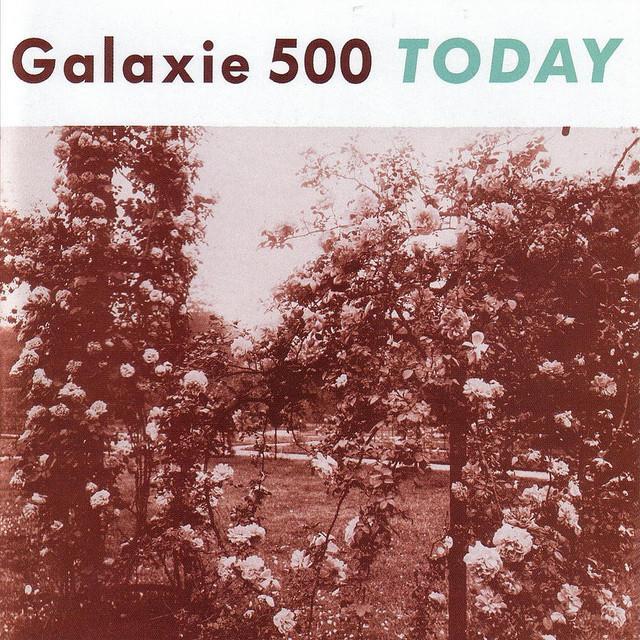
Released on the band's 1988 album Today, “Tugboat” became one of the clearest examples of their slow, dreamy style. The band—Dean Wareham, Naomi Yang, and Damon Krukowski—helped define an early strain of dream pop and indie rock later celebrated by outlets like AllMusic. That context matters, because the song’s meaning lives as much in its atmosphere as in its words.

Watch the official Tugboat
music video
The Core Meaning: Refusal as a Form of Love
At its center, “Tugboat” is about wanting a private bond instead of public participation. The speaker turns away from group rituals and social pressure. They do not want the party, the friends, or the political identity being offered. Instead, they fix on one odd, tender wish: be your tugboat captain
.
That image is the key. A tugboat is not glamorous. It is small, steady, and useful. It guides, pulls, and protects larger ships. So when the speaker imagines this role, they are not dreaming of power or status. They are imagining care. They want closeness that feels purposeful and calm.
Interpretation: the song treats love less as passion in public and more as service in private. The speaker would rather help one person move through the world than perform for a crowd.
A Narrator Who Opts Out
The verses work by listing refusals. The speaker says, in effect, I don't wanna stay
and talk with your friends
. They also reject the line about your president
, which broadens the feeling beyond one awkward party. This is not just social discomfort. It is a resistance to being absorbed into someone else’s system.
That makes the song feel youthful, but not immature. The speaker is drawing a boundary. They are saying that belonging can feel false when it comes through social rules, small talk, or public allegiance. They want a more honest way of connecting.
This plain language is one reason the song endures. There is no puzzle-box storytelling here. The words are easy to follow, yet the emotions are layered: shyness, loyalty, annoyance, and longing all sit in the same short verse.
The Repeated Place: A Dream of Elsewhere
If the verse is about what the speaker rejects, the refrain is about what they seek. The repeated idea of the place I'd like to be
sounds almost childlike in its simplicity. That simplicity is the point. The speaker cannot fully describe this place, but they know how it feels: peaceful, chosen, and happy.
There's a place I'd like to be
The place I'd be happy
Because the song repeats this thought so many times, the place starts to feel less like a map location and more like an emotional state. It may be a life with the person they love. It may be a fantasy of escape. It may simply be a world where they do not have to pretend.
Interpretation: the refrain turns ordinary desire into a quiet mantra. Repetition shows that the speaker is trying to hold onto a vision that feels fragile.
Why the Tugboat Image Matters So Much
“Tugboat” is a memorable title because it is unusual and humble. Rock songs often reach for grand symbols—cars, highways, fire, stars. A tugboat is different. It suggests harbor life, slow movement, and unseen labor.
That fits Galaxie 500 perfectly. Their music often finds beauty in restraint. Here, the tugboat image suggests a kind of love that is practical rather than flashy. The speaker does not want to dominate the other person. They want to guide them, stay near them, maybe even rescue them from chaos.
There is also a gentle comic touch in the phrase. It is so specific that it disarms the listener. But that oddness makes it more moving, not less. It sounds like the kind of fantasy a person blurts out when they cannot find a more polished way to say, “I want to matter to you.”
How the Sound Deepens the Meaning
The production is crucial to the meaning of Tugboat Galaxie 500. The band plays slowly, leaving lots of open space. Wareham’s guitar rings instead of rushing. Yang’s bass is steady and grounding. Krukowski’s drumming is soft and patient. Together, they create a drifting, suspended feeling.
That sound mirrors the lyrics. The song is not trying to win an argument. It is floating in a mood. Wareham’s vocal delivery is especially important: he sounds detached on the surface, but there is clear ache underneath. That tension—cool tone, warm feeling—makes the longing hit harder.
In other words, the music performs the same move as the lyrics. It steps away from noise and spectacle. It chooses stillness.
Two Strong Readings of the Song
One reading is romantic. In this view, the song is about wanting a relationship untouched by social theater. The party, friends, and politics all feel like distractions from real intimacy.
A second reading is broader. The song can also be heard as an indie statement of refusal. The speaker rejects the roles society offers and imagines a smaller, truer identity. Not a leader. Not a voter in someone else’s script. A tugboat captain.
Both readings work because the song is built from open, repeatable lines. It leaves room for listeners who feel lonely in crowds, skeptical of social rituals, or hungry for a life that feels more sincere.
Why “Tugboat” Still Connects
Part of the song’s lasting power is how little it overexplains. It trusts mood, repetition, and one unforgettable image. Many listeners hear themselves in that desire to leave the party without making a scene and head toward a place that feels more real.
That is the lasting meaning of Tugboat Galaxie 500: it is a song about escape, but not into emptiness. It escapes toward tenderness, usefulness, and emotional honesty. Its dream is small enough to sound believable, and strange enough to stay in the mind.
This interpretation is based on the lyrics, recording, and available band context. As with most great songs, other readings are possible.







