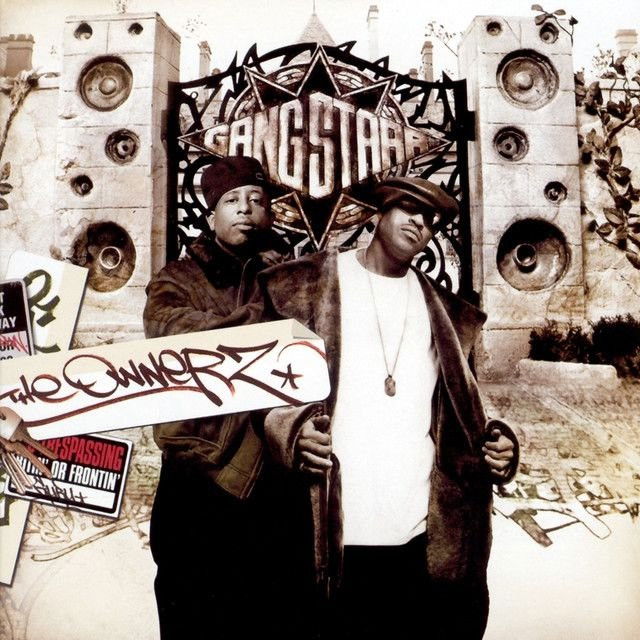
Rite Where U Stand by Gang Starr, Jadakiss
The meaning of Rite Where U Stand Gang Starr, Jadakiss starts with a simple idea: this is a warning record. They present themselves as men who do not bluff, do not back down, and do not need long arguments. The song turns toughness into a code of identity.
"Rite Where U Stand" - Gang Starr ft. Jadakiss
Yo
Yo, I don't even want to fight with you, man
Loading lyrics...
Unable to load lyrics
We're unable to display the lyrics at this time. Please try again later.
Released on Gang Starr’s 2003 album The Ownerz, the track pairs Guru’s controlled authority with Jadakiss’s sharper, more explosive energy. Together, they make a song about reputation, survival, and lyrical dominance. Even when the verses talk about street violence, the bigger point is about power: who has it, who performs it, and who can back it up.
The Real Core of the Threat
At the center of the song is the repeated promise to leave someone right where you stand
. Paraphrased, that means ending a problem immediately, without chase or debate. The hook matters because it is not just angry talk. It is presented as a rule: disrespect leads to instant consequences.
That gives the song two layers. On the surface, it is a hard street anthem. Underneath, it is also about artistic authority. When they say others will never be as nice as I am
, they connect physical danger to rap skill. In this world, being a feared person and being an elite MC are part of the same image.
Interpretation: the song treats violence as both literal threat and metaphor for competitive rap. In battle rap language, to destroy someone on a track is another way to leave them “where they stand.”
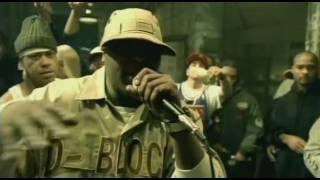
Watch the official Rite Where U Stand
music video
How the Verses Build Their World
Guru’s verse is cool, direct, and heavy with veteran status. He sounds less like someone losing control and more like someone already in control. When he references older rap greats, he places himself in a lineage of legends. That matters because the threat is not only street-based; it is historical. He is saying they belong among hip-hop’s proven names.
Jadakiss enters with more bite. His verse leans into label pressure, hustler logic, and contempt for fake toughness. One of his sharpest ideas is that the music business can trap artists, which he sums up by calling himself a slave for Interscope
. Paraphrased, he is saying industry deals can feel like ownership rather than freedom.
That line widens the song’s meaning. It is not just about neighborhood conflict. It is also about power structures around rap: labels, money, image, and control. Jadakiss makes the aggression feel personal, but also business-minded.
Why the Hook Hits So Hard
The chorus is simple, repetitive, and brutal by design. It lists weapons, rejects talking, and pushes toward fast resolution. Because it returns again and again, it becomes more than a threat. It becomes the song’s worldview.
Gun on my waist
knife in my hand
I ain't tryna fight
leave you right where you stand
Paraphrased, the hook says they do not believe in fair fights or long discussions. They believe in finishing conflict before it grows. That ruthless efficiency is what gives the chorus its cold feel.
Sound as Meaning, Not Just Backdrop
The production is crucial to the meaning of Rite Where U Stand Gang Starr, Jadakiss. DJ Premier, Gang Starr’s longtime sonic architect, built his style on chopped samples, hard drums, and sharp scratches, a sound widely documented in profiles of DJ Premier. Here, the beat feels tense and stripped down rather than lush.
That sparseness matters. The drums hit like marching steps, while the sample loop feels grim and circular, almost like danger that never leaves the block. There is little comfort in the instrumental. It creates a space where every bar sounds final.
Guru’s voice rides that beat with calm force. Jadakiss cuts through it with a rasp that sounds impatient and hungry. Their contrast helps the song: Guru is the steady enforcer, while Jadakiss is the unpredictable closer. The production gives both room to sound dangerous in different ways.
Themes Hidden Inside the Bravado
Several themes drive the track:
- Respect before peace: they suggest respect is the first law.
- Reputation as survival: being known as strong prevents challenges.
- Authenticity versus performance: they mock people they see as fake or cosmetic.
- Rap skill as power: lyrical excellence is treated like a weapon.
One key phrase is ya gangstas is cosmetic
. Paraphrased, that means some people only wear the image of toughness. This line is important because it explains the song’s anger. They are not only attacking enemies; they are exposing imitators.
Interpretation: that makes the song partly a purity test. Realness, in their view, is proven through pressure, not fashion or talk.
Artist Context Matters
Gang Starr built their reputation on combining street realism with discipline and craft. Guru often sounded reflective even on hard records, while Premier’s beats gave that reflection weight. Jadakiss, coming from D-Block/The LOX, brought a style built on punchlines, menace, and blunt honesty.
That partnership makes this track effective. It is not random aggression. It is two respected rap camps meeting on shared values: credibility, toughness, and lyrical sharpness. In the early 2000s, when glossy rap and street rap often pulled in different directions, this song stood as a reminder that hardcore East Coast rap still had authority.
Final Take on the Song’s Meaning
The meaning of Rite Where U Stand Gang Starr, Jadakiss is about more than violence. It is about defending status, exposing fake personas, and proving that words can hit as hard as force. The song’s threats are the surface. Its deeper message is about who earns respect and who only pretends to.
For many listeners, that is why the song lasts. It sounds like a street warning, but it also works as a statement of hip-hop credibility. Interpretation: they are saying that in rap, as in the street, hesitation is weakness and authenticity is everything.
Disclaimer: This interpretation is based on the lyrics, performance, production, and public artist context. Like all song analysis, some meanings remain open to listener interpretation.







