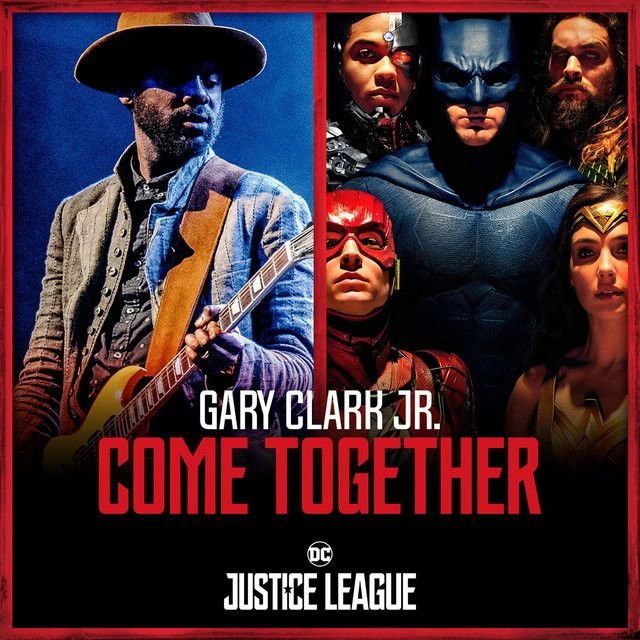
How Gary Clark Jr. and Junkie XL Make "Come Together" Darker
The meaning of Come Together Gary Clark Jr., Junkie XL starts with a song that was already mysterious. The Beatles first released "Come Together" in 1969 as the opening track of Abbey Road, written by John Lennon and Paul McCartney and produced by George Martin. It later became one of the band's biggest songs, reaching No. 1 in the United States. Gary Clark Jr. and Junkie XL released their version on September 8, 2017 as the first single from the Justice League: Original Motion Picture Soundtrack.
"Come Together" - Gary Clark Jr., Junkie XL
He got ju-ju eyeballs, he's one holy roller
He got hair down to his knees
Loading lyrics...
Unable to load lyrics
We're unable to display the lyrics at this time. Please try again later.
Their cover keeps the song's odd, slippery spirit, but gives it a tougher frame. Instead of sounding sly and swampy, it sounds like a storm moving toward the listener. That change matters because it shifts the song from playful cool into something that feels larger, cinematic, and almost mythic.
A Strange Song About Power and Pull
At its core, this version is about magnetism. The lyrics describe a figure through scattered images rather than a clear story. They mention details like old flat-top
and grooving slowly
, but those snapshots never settle into one simple identity.
Interpretation: That is part of the point. The song presents someone who is impossible to pin down yet impossible to ignore. They are messy, stylish, spiritual, comic, and threatening all at once. The repeated hook, come together
, turns that strange portrait into a command for unity.
In the Gary Clark Jr. and Junkie XL version, that command feels more urgent than inviting. The words do not sound like a laid-back hangout. They sound like a gathering before impact.

Watch the official Come Together
music video
Why the Lyrics Feel Nonsensical on Purpose
Many listeners hear the verses and wonder whether they are supposed to "mean" anything at all. That confusion is normal. Critics and historians have long noted that the original lyric works through quick, surreal fragments, with sound often carrying as much weight as literal sense.
That is useful context for this cover. The lines are less like diary writing and more like verbal collage. A phrase such as you got to be free
gives the listener one clear idea, but it sits beside bizarre images that resist easy explanation.
One and one and one is three
Got to be good looking
'cause he's so hard to see
Paraphrased, the song keeps saying that this figure is both obvious and hidden. They are right in front of everyone, yet still unreadable. That tension helps explain why the song has lasted for decades: it feels meaningful even when it refuses to explain itself.
The Chorus Turns Mystery Into a Theme
The chorus is simple enough to anchor everything around it. After verses full of odd details, the hook lands on come together
and over me
. Those words can sound communal, but they also carry ego and control.
Interpretation: There are at least two strong readings here:
- It is a call for people to unite.
- It is a charismatic figure asking everyone to gather around them.
That ambiguity is crucial. In one reading, the song celebrates connection. In the other, it hints at the power of celebrity, leadership, or even manipulation. Gary Clark Jr.'s voice makes both readings feel possible at once.
What Changes in the Gary Clark Jr. and Junkie XL Version
The Beatles' original was famous for its swampy groove, low-slung bass, and tight band interplay. George Martin once praised it as a perfect example of the four Beatles combining their separate instincts into one great sound. Gary Clark Jr. and Junkie XL do something different: they turn that groove into pressure.
Clark's guitar tone is thick, fuzzy, and aggressive. His vocal stays cool, but the production around him is huge. Junkie XL, known for large-scale film scores, adds pounding drums, processed texture, and trailer-like weight. The result feels designed for superheroes, but it also reveals a different side of the lyric.
Instead of a weird man drifting through a smoky room, this version suggests an approaching force. The song becomes less about quirky character study and more about collective energy. That is why it fits Justice League: the hook can be heard as separate figures being pulled into one shared mission.
The Justice League Context Matters
This cover was released as the lead single from the Justice League soundtrack, and that setting changes how many listeners hear it. In a superhero movie, a phrase like come together
naturally points toward alliance, team-building, and strength through union.
Still, the song does not become simple just because it appears in a blockbuster. The darkness of the arrangement adds friction. Unity here is not soft or idealistic. It sounds hard-won.
Interpretation: That makes the cover more than a soundtrack tie-in. It becomes a version of the song about assembling power under pressure. The same lyric that once sounded sly now feels like preparation for conflict.
Sound, Mood, and Meaning Working Together
The best way to understand the meaning of Come Together Gary Clark Jr., Junkie XL is to hear how performance shapes interpretation. Clark does not oversing. They deliver the words with restraint, which lets the riff and beat do much of the emotional work.
That choice is smart. If the vocal were too dramatic, the mystery would disappear. By staying controlled, they preserve the song's cool while the production adds danger.
A few key musical choices drive the meaning:
- Heavy distorted guitar makes the song feel physical and tense.
- Big percussion gives the hook a marching force.
- The lower, darker mix creates menace instead of playfulness.
- The steady pulse turns a psychedelic lyric into a public call.
Together, those elements suggest that unity is not just a nice idea. It is something powerful, maybe even overwhelming.
Final Take on the Song's Message
So what is this cover really saying? The clearest answer is that it turns an already cryptic rock classic into a song about attraction, authority, and collective force. The lyrics still resist literal summary, but the mood points listeners toward a central idea: people are being drawn together by a presence bigger than themselves.
That is why the cover works. It respects the original song's mystery while giving it a modern, muscular purpose. For some listeners, it will sound like rebellion. For others, it will sound like leadership. For many, it will sound like both.
Disclaimer: This article offers interpretation based on the recording, lyrics, and release context. Song meaning can remain open, and different listeners may hear it differently.








