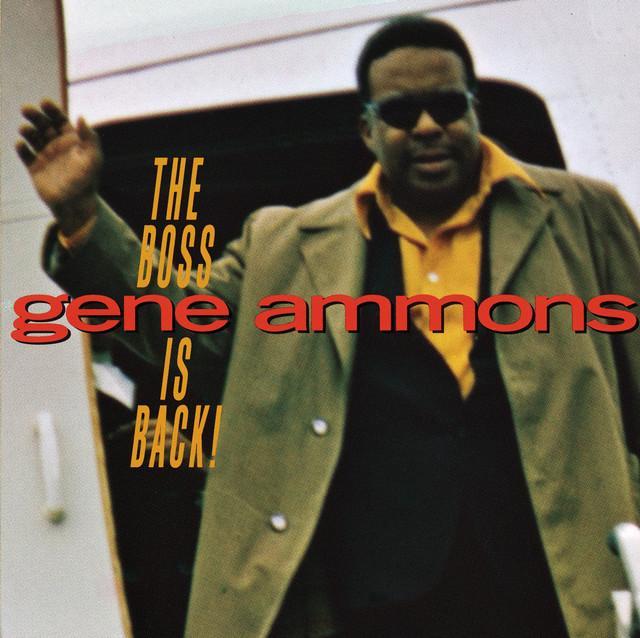
Here’s That Rainy Day by Gene Ammons
A jazz standard about heartbreak arriving at last
The meaning of Here's That Rainy Day Gene Ammons centers on a simple but painful idea: a person once brushed off the idea of future heartbreak, and now that sadness has finally arrived. The song turns rain into a symbol of emotional truth. What seemed distant becomes real.
"Here's That Rainy Day" - Gene Ammons
Funny, but here's that rainy day
Here's that rainy day they told me about
Loading lyrics...
Unable to load lyrics
We're unable to display the lyrics at this time. Please try again later.
In the lyric, the speaker looks back at old hopes and realizes they were too confident. They once had dreams, love, and a sense that things might work out. Now they are left with loss. The emotional twist is not just that love ended, but that the warning signs were there all along.
Gene Ammons did not write the song. It was written by Jimmy Van Heusen and Johnny Burke, a famous songwriting pair with a long standard-song legacy. Ammons, a major tenor saxophonist in postwar jazz, helped give songs like this a warm, human ache through tone and phrasing. His larger career is well documented by the Encyclopaedia Britannica.

Watch the official Here's That Rainy Day
music video
The central message hides inside the weather image
At its core, the song says that love can change from hope into disappointment almost without warning. The speaker remembers dismissing the possibility that romance could end badly. Then the feared day arrives.
That is why the title phrase matters so much. that rainy day
is not really about weather. It stands for the day when illusion breaks. In plain terms, they thought heartbreak was something that happened to other people.
The opening thought about leftover dreams shows regret. The speaker seems to wish they had protected their hopes instead of spending them all on one relationship. Soon after, the song mentions a worn out wish
, which suggests that desire itself has been used up.
How the lines build a story of disillusionment
From confidence to loss
The lyric moves in a clean emotional line:
- The speaker remembers former dreams.
- They recall laughing off the idea of pain.
- They look for the old wish that once brought love close.
- They accept that love has turned cold.
That arc is why the song feels so mature. It is not a dramatic fight scene or a breakup argument. It is the quieter moment after the loss, when someone understands what happened.
One of the strongest lines is the admission that they laughed at the thought
of things ending this way. That phrase matters because it adds self-awareness. The speaker is not only sad; they are humbled.
A short lyric moment that says it all
The song’s emotional turn is captured in this brief passage:
Here’s that rainy day
they told me about
In other words, the pain once sounded abstract, almost like advice from older, wiser people. Now it is personal. The line turns a general warning into lived experience.
Why Gene Ammons makes the song feel even sadder
Ammons was known for a big, soulful tenor sax sound that could make standards feel intimate rather than polished. On a song like this, that matters. Without needing words, the horn can mirror the speaker’s regret.
Factual note: Ammons became one of the leading tenor players of his era, admired for blending swing warmth with a more modern jazz feeling. The Jazz Museum in Harlem and other jazz history sources often place him in the line of major saxophone storytellers.
Interpretation: In Ammons’s hands, the melody sounds less like theater and more like memory. His phrasing tends to lean into the spaces between notes, which can make the tune feel as if it is sighing. A slow jazz reading of this standard lets the sadness breathe.
The harmony helps too. This song is built like many classic standards: elegant chords, gentle motion, and a melody that falls naturally into a reflective mood. When played on tenor sax, the soft descent in the tune can sound like emotional surrender.
Rain, dreams, and coldness as recurring symbols
The song uses a few simple images, but they carry a lot of weight:
- Rain: emotional reality, grief, and the end of fantasy.
- Dreams: past hopes that now feel wasted or naive.
- Wish: the private belief that love would last.
- Coldness: love losing warmth, intimacy, and safety.
The phrase cold rainy day
combines two kinds of pain. Rain suggests sadness from outside, while cold suggests an inner emptiness. Together they show heartbreak as both environment and feeling.
This is part of why the song has lasted. Its imagery is easy to understand, but the feeling is deep. Anyone who has looked back on a failed romance and thought, “I should have known,” can recognize it.
Alternate readings of the song
There is a clear heartbreak reading, but there are other possible angles.
Interpretation 1: The song may be about emotional maturity. The speaker is not just mourning a lover; they are mourning their younger self, the person who believed love alone could protect them.
Interpretation 2: It can also be heard as a standard about fate. The repeated return of the title phrase makes the sad day feel unavoidable, as if this moment had been waiting for them.
Both readings fit because the lyric balances regret with acceptance. It does not beg for the lover to return. It simply names what has happened.
Why this standard still resonates
Part of the meaning of Here's That Rainy Day Gene Ammons is its honesty about delayed understanding. Many breakup songs describe the moment of pain. This one describes the moment of recognition after pain has already settled in.
That is why Ammons is such a strong match for it. His playing style often carried tenderness without sentimentality. He could sound bruised, but never weak. That balance keeps the song from becoming overly dramatic.
For modern listeners in the United States, the appeal is still clear: it is a song about realizing that hope can fade, and that wisdom sometimes arrives too late. Yet by turning that feeling into music, the song also offers a kind of comfort.
Final thought on its lasting meaning
In the end, this standard is about the day denial stops working. The speaker once had dreams, then love, then distance, and finally understanding. Ammons’s version deepens that journey by making the sadness feel lived-in rather than merely stated.
That is why the song stays powerful. It does not only describe heartbreak. It describes the lonely wisdom that follows it.
Disclaimer: This interpretation is based on the published lyric, the song’s standard context, and Gene Ammons’s performance style. As with all art, listeners may hear different meanings in it.







