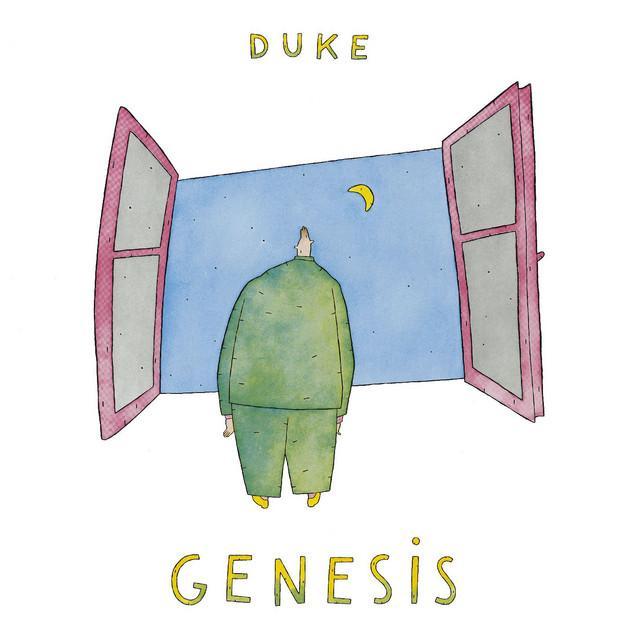
Turn It on Again by Genesis
Why This Hook Still Feels Modern
The meaning of Turn It on Again Genesis starts with a simple idea: a lonely person turns to media for comfort and slowly mistakes that comfort for real connection. Genesis released the song on Duke in 1980, and it became a major UK hit, reaching No. 8 on the UK chart while also charting in the US, according to the documented release history and chart data in available reference coverage.
"Turn It on Again" - Genesis
Down on my luck again, down on my luck again
I can show you, I can show you some of the people in my life
Loading lyrics...
Unable to load lyrics
We're unable to display the lyrics at this time. Please try again later.
What makes the song last is how current that idea feels. The lyric is about television and radio, but the emotional pattern looks a lot like modern screen life: isolation, routine, and a growing bond with people who are not actually present.
Watch the official Turn It on Again
music video
The Core Story Beneath the Chorus
Mike Rutherford wrote lyrics about a man whose days are shaped by media. Instead of building real intimacy, he depends on familiar voices and faces coming from devices. The opening idea, All I need is a TV show
, is not presented as healthy freedom. It sounds like emotional shrinking.
The verses show a person who is bored, unlucky, and detached. He says he is down on my luck again
, which frames the screen not as entertainment but as a coping tool. Soon, the song moves from habit into obsession. He recognizes someone from television and feels he has known them for years, even though the bond is one-sided.
Interpretation: Genesis are sketching parasocial attachment before that term became common. The narrator treats mediated familiarity as friendship, and that mistake becomes the song's real tension.
When Familiar Faces Become Fake Friends
The sharpest turn in the lyric comes when the narrator starts talking to the person on the screen as if they could answer back. He calls them just another face
from a show, but he also feels they are close enough to help him. That contradiction matters.
He wants touch, escape, and companionship. In plain terms, he is transferring ordinary human needs onto an image. The line about feeling lonely when she's not there
widens the song's sadness. There may be a real absent person in his life, or that absence may simply highlight how little the screen can truly replace.
A brief reading of the emotional arc
- He starts with passive media use.
- He slips into dependence.
- He imagines friendship with performers.
- He confuses comfort with relationship.
- He repeats the cycle instead of changing his life.
Why the Refrain Sounds Like a Trap
The chorus, Turn it on again
, sounds energetic and almost triumphant. That is part of the song's brilliance. The hook is easy to remember, but its message is bleak: when loneliness returns, he reaches for the machine again.
Turn it on, turn it on, turn it on again
This repeated command is less a celebration than a reflex. The act of switching on becomes ritual. Rather than solving his loneliness, the screen helps him postpone it.
Interpretation: The chorus works like an addiction loop. It is catchy because habits are catchy too; they repeat until they feel natural.
The Music Makes the Meaning Harder to Escape
Part of the song's power comes from how Genesis built it. The track was assembled from separate musical fragments brought in by Tony Banks and Mike Rutherford, then shaped into a tighter rock song with Phil Collins' drumming approach during the Duke sessions at Polar Studios in 1979. Reference accounts also note that the song was produced by Genesis with David Hentschel.
Musically, it is famous for an unusual meter often described as 13/8, or as alternating bars of 6/4 and 7/4. Even if listeners do not count it, they feel it. The groove pulls forward, but it never settles in a fully comfortable way.
That matters to meaning. The song is about a routine that feels normal but is actually off-balance. Its rhythm mirrors that condition. The listener is drawn in by a pop-rock hook, yet something is always slightly uneven underneath.
Genesis at a Turning Point
"Turn It on Again" also sits at an important moment in Genesis history. Duke helped mark the band's move toward more concise, accessible songs while keeping progressive-rock complexity under the surface. This track is a strong example of that balance: radio-friendly on first listen, structurally sly underneath.
That blend helps explain why it became a live favorite and later even gave its name to the compilation Turn It On Again: The Hits. It worked as a single, but it still carried the musical identity that long-time Genesis fans recognized.
Why the Song Still Connects Today
The original lyric focused on TV and radio, but the theme has only grown more relevant. Rutherford later connected the song's concern to modern screen culture, warning that people are often mentally elsewhere when staring at devices. That comment makes the song feel less like a period piece and more like an early diagnosis.
For many listeners in the United States today, the meaning of Turn It on Again Genesis lands as a story about loneliness in a media-saturated world. The song understands how easily people can confuse access with intimacy.
The Lasting Takeaway
At its heart, "Turn It on Again" is about a person trying to soothe emptiness with constant entertainment, only to become more emotionally stranded. Its genius lies in the contrast between its bright, driving sound and its sad inner story.
That mix is why the song still works: it is fun on the surface, uneasy underneath, and painfully recognizable.
Disclaimer: This interpretation separates documented facts about the song's authorship, release, and musical structure from critical reading of the lyrics. As with most songs, some meanings remain open to listener interpretation.







