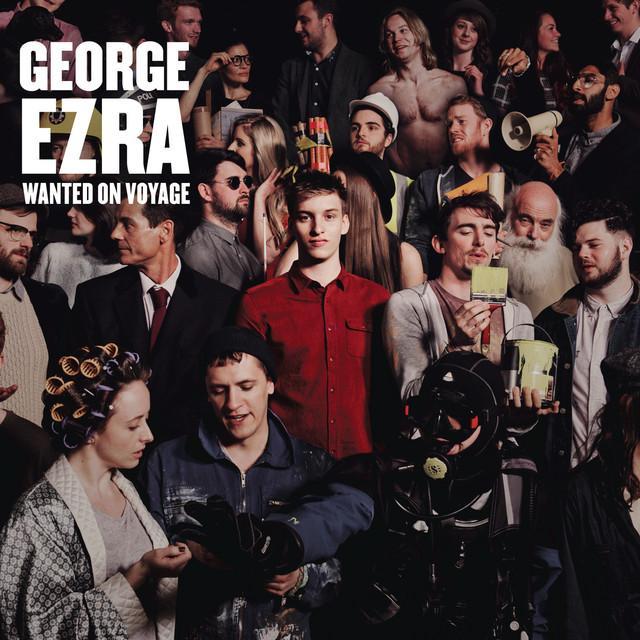
Budapest by George Ezra
Love songs don’t have to be complicated to stick. George Ezra’s breakout single uses simple images and an easy hook to sell a big promise: choosing a person over every possession and plan. If you’re searching for the meaning of Budapest George Ezra, the short version is that it’s a vow of devotion, not a travelogue about Hungary.
"Budapest" - George Ezra
My hidden treasure chest
Golden grand piano
Loading lyrics...
Unable to load lyrics
We're unable to display the lyrics at this time. Please try again later.
Love Over Luggage: The Promise at the Center
The narrator keeps listing valuables and places, then circles back to the same pledge: he’d walk away from it all for this relationship. When he says My house in Budapest
and a hidden treasure chest
, he’s building an inventory to show scale. The material pile is a measuring stick for the size of his feeling.
Interpretation: the song frames love as a radical trade. It’s not about acquiring; it’s about letting go. The repetition of I’d leave it all
is a contract line—short, plain, and absolute.

Watch the official Budapest
music video
The Meaning of the Title Isn’t Geographic
Ezra has explained that he hadn’t visited Budapest when he wrote the song and that the title came from a missed trip while traveling in Europe. The city name becomes a symbol for plans they were supposed to keep, future paths, and the idea of distance itself. In other words, Budapest is the dream he’s ready to set down if the other person says yes.
The voice is first person, speaking directly to a would-be partner. The tone is warm and persuasive, not desperate. He’s making a case, and the city—more postcard than place—helps the case feel big.
From List to Leap: How the Story Unfolds
- Verse one stacks prized things and imagined status to create a sense of weight.
- The chorus turns that weight into a dare, asking the listener to meet him halfway.
Give me one good reason Why I should never make a change And, baby, if you hold me Then all of this will go away
- Verse two keeps counting, then adds urgency with the plan to
I’ll up and run
if they just “say the words.” - Later, pressure appears from home:
They don’t understand
, hinting at real costs beyond objects—community and belonging.
Symbols You Can Hold
The objects are chosen to feel tangible and a little fantastical: a grand instrument, a treasure chest, a storied house. They suggest wealth, artistry, heritage—things people are proud to keep. “Castillo,” sounding like “castle,” adds a romantic, old-world flourish. The “artifacts” read like status trophies collected over time.
Interpretation: these items aren’t flexes; they’re props. By stacking them high and then sweeping them off the table, the song argues that love beats legacy. It also nudges a modern anxiety—are we our stuff or our choices?
How the Sound Makes the Promise Believable
“Budapest” rides acoustic guitar in F major at a brisk, steady tempo, with a whistle motif that functions like a smile. Ezra’s baritone sits front and center, rough-edged but friendly, the kind of voice that sounds honest when it promises something big. Producer Cam Blackwood keeps the mix lean: handclap-style percussion, bass that thumps more than booms, and guitar strums that feel like train wheels.
Ezra has said it was his first attempt at a love song and that it uses the first three guitar chords he learned. That simplicity is the point. The arrangement leaves room for the hook, and the hook reinforces the one-line contract. Nothing distracts from the ask.
Reception and Context: A Simple Idea That Traveled
The song appeared on Ezra’s debut album, Wanted on Voyage, and grew into a slow-burn hit across Europe before crossing to the U.S. Charts and certifications aside, its real legacy is how it defined his persona: the big-voiced traveler who writes in plain language and sings about wide horizons. The title anchored a story that listeners could project onto their own lives—college moves, new jobs, long-distance chances.
Interpretation: for American listeners especially, the track reads like a road decision. Keep the map, or drop it and choose the person in front of you.
Alternate Readings That Still Fit
- Satire of materialism: the over-the-top list could be a wink at how we measure worth. The promise to ditch it all pokes fun at that.
- Fear of commitment wrapped as bravado: the constant asking for a “good reason” might show hesitation—he wants the other person to close the deal.
Both readings work because the text leaves space. The chorus asks, it doesn’t declare, and the verses tempt with high-value images.
Takeaway: A Simple Promise, Sung Big
“Budapest” isn’t about a city. It’s about a choice. By setting love against a pile of shiny things and faraway plans, George Ezra shows how a plain voice and a clean melody can make a giant promise feel down-to-earth.
Disclaimer: Song meanings are interpretive and reflect one reading of the lyrics and context.