Why 'Got My Mind Set on You' Still Connects
The meaning of Got My Mind Set on You George Harrison comes down to a simple idea delivered with unusual honesty: desire is powerful, but real pursuit takes work. George Harrison's hit sounds light, catchy, and playful, yet the lyric keeps returning to effort, patience, and cost.
"Got My Mind Set on You" - George Harrison
I got my mind set on you
I got my mind set on you
Loading lyrics...
Unable to load lyrics
We're unable to display the lyrics at this time. Please try again later.
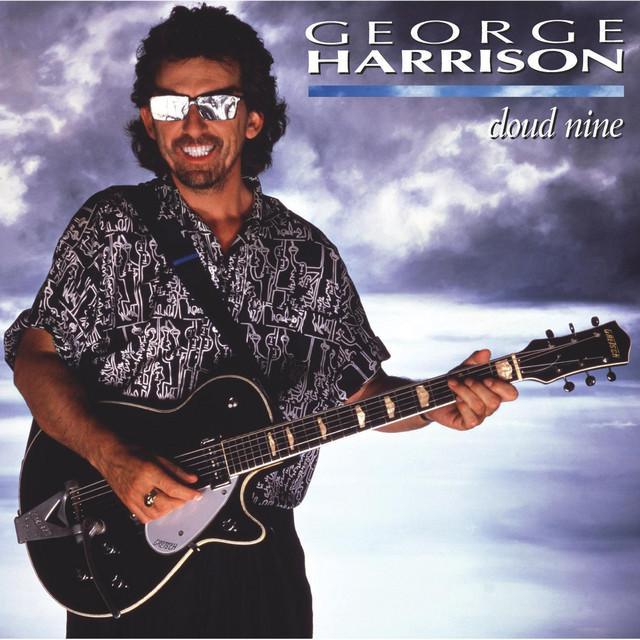
That mix is a big reason the song lasted. Released on Cloud Nine in 1987, Harrison's version became a major comeback single and reached No. 1 in the United States. Factually, it was written by Rudy Clark and first recorded by James Ray in 1962, before Harrison reshaped it for the MTV era.
A Love Song About Commitment, Not Fantasy
At its core, the song is about someone who has chosen a person and refuses to drift away from that goal. The hook, got my mind set on you
, is not shy or poetic. It is direct, almost stubborn.
That matters because the verses do not describe romance as magic. Instead, they frame love as something that demands follow-through. The singer admits it will take money
, precious time
, and patience to do things properly. In plain terms, the song says wanting someone is only the first step; building something real costs energy.
Interpretation: This is why the song feels more grounded than many pop love songs. It does not sell a dream of instant connection. It treats desire like a plan.

Watch the official Got My Mind Set on You
music video
Where the Tension Really Lives
The lyric's tension comes from the gap between confidence and reality. On one side, the singer sounds fully convinced. They believe the feeling is genuine and repeat that certainty over and over. On the other side, they know conviction alone will not be enough.
That balance gives the song its personality. When the singer says this time I know it's real
, the line sounds hopeful, but the surrounding lines keep it from becoming naive. The song quickly reminds listeners that acting on love takes practical sacrifice.
It's gonna take time
It's gonna take patience and time
Those lines are short, but they carry the song's main truth. Love here is not passive. It is determined, a little obsessive, and very aware of the real-world demands involved.
Harrison's Version Changed the Feeling
One important fact is that Harrison did not write the song. Rudy Clark did, and James Ray first released it in 1962. Harrison had heard Ray's version in the early 1960s while visiting his sister in Illinois, and decades later he recorded it for Cloud Nine.
What Harrison added was context. By 1987, Cloud Nine marked a commercial return for him after a quieter period, and the single became his only U.S. No. 1 with a song he did not write. That comeback energy shapes how many listeners hear it now: not just as a love song, but as a statement of renewed purpose.
Interpretation: In that setting, the lyric can sound almost autobiographical, even if it was not written that way. A repeated line about setting the mind on a goal fits an artist reasserting himself.
How the Sound Sells the Message
The production is a huge part of the song's meaning. Co-produced by Harrison and Jeff Lynne, the track wraps a simple lyric in bright, polished pop-rock. The drums are firm, the guitars are crisp, the keyboards add shine, and the saxophone gives the arrangement extra lift.
Instead of making the song heavy, that sound makes determination feel fun. The beat keeps pushing forward, so the repeated hook sounds energetic rather than tense. Harrison's vocal also matters. They deliver the lines with ease, which keeps the song from sounding desperate.
This is one reason the record worked so well on radio and MTV. The message is persistence, but the sound is buoyant. That contrast makes the single memorable.
More Than a Crush: Themes and Motifs
Several small motifs support the song's bigger idea:
- Focus: the repeated hook turns emotion into concentration.
- Cost: references to spending suggest that love has practical stakes.
- Time: patience is treated as proof of seriousness.
- Action: the lyric stresses doing it right, not just dreaming.
Together, these details keep the song from becoming one-note. Yes, it is repetitive by design, but that repetition mirrors the mentality of someone locked onto a goal.
Why It Became Such a Big Hit
Part of the answer is musical timing. Harrison's version arrived with an accessible 1980s sheen, and its famous video got heavy exposure. It also helped that the chorus was instantly memorable.
But there is a deeper reason. The song expresses something very common: people often feel sure about what they want, then learn that commitment is harder than desire. That truth gives the track a little more depth than its cheerful surface first suggests.
For many listeners, the meaning of Got My Mind Set on You George Harrison is not complicated, but it is relatable. It is about setting a goal, counting the cost, and moving ahead anyway.
The Lasting Takeaway
George Harrison's hit endures because it joins two ideas that do not always appear together: romantic certainty and practical realism. The singer is devoted, but they are not delusional. They know feeling strongly is only the beginning.
That is what makes the song feel both catchy and honest. It turns obsession into effort and love into action.
Disclaimer: This interpretation separates confirmed facts about the song's release and authorship from critical reading of its themes. Meanings can vary from listener to listener.







