
Why 'Here For A Good Time' Still Rings True
The meaning of Here For A Good Time George Strait starts with a simple idea: life is short, so they might as well live it with purpose, humor, and heart. What makes the song last is that it does more than celebrate fun. It turns a country catchphrase into a worldview.
"Here For A Good Time" - George Strait
'Cause somebody done done me wrong
Don't think for a minute
Loading lyrics...
Unable to load lyrics
We're unable to display the lyrics at this time. Please try again later.
Released in 2011 as the lead single from George Strait’s album Here for a Good Time, the song was co-written by Strait, his son Bubba Strait, and longtime collaborator Dean Dillon. It later appeared on the album of the same name, which Strait co-produced with Tony Brown and which debuted at No. 1 on Billboard’s Top Country Albums, according to the available chart data and album credits listed in the research sources.
More Than a Party Motto
On first listen, the song sounds like a barroom anthem. The chorus is direct, memorable, and built for singalongs. When the singer says here for a good time
, they are not only asking for a drink or a bright afternoon. They are rejecting bitterness.
That matters because the first verse sets up a different path. Instead of sitting with heartbreak or replaying old wrongs, the narrator refuses to wallow. The song quickly frames optimism as a choice. Even the image of a half full
glass is familiar on purpose. It gives the song an everyday wisdom that feels plainspoken rather than preachy.
Interpretation: The song argues that joy is not naïve. In this case, joy is a response to pain. They know disappointment exists, but they refuse to let it define the day.
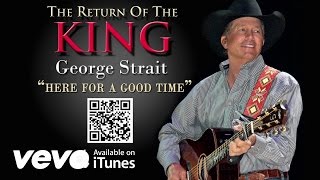
Watch the official Here For A Good Time
music video
The Shadow Under the Smile
The lyric that gives the song its weight is the admission that each morning could be the last. Strait and his co-writers slip mortality into a track that otherwise moves like a breezy hit. That contrast is the key to its staying power.
Without that darker thought, the hook might feel shallow. With it, the song becomes a philosophy. The line about not being here for a long time does not sound reckless so much as realistic. They are saying time is limited, so regret is a poor way to spend it.
This is why the song can connect with different listeners. Some hear a weekend anthem. Others hear a middle-aged perspective on how fast life moves. Both readings fit.
How the Verses Build the Message
The second verse expands the theme beyond heartbreak. It contrasts dreaming with doing. The narrator says some people only imagine the life they want, while they would rather act now. Phrases like take the chance
and dance the dance
push the message forward.
That choice makes the song feel active rather than escapist. They are not hiding from life. They are stepping into it, even with risk attached. The line about something maybe being wrong or maybe right admits uncertainty, but it does not fear it.
A quick map of the song’s movement
- They reject self-pity and old sadness.
- They choose an optimistic view of life.
- They admit life is fragile and unpredictable.
- They answer that fact by embracing experience now.
That structure is why the chorus lands so hard. It feels earned.
Why the Chorus Became So Memorable
The central hook works because it is plain, repeatable, and emotionally flexible. A younger listener might hear freedom in it. An older listener might hear wisdom. Strait delivers it without over-singing, which keeps it believable.
The details around the hook also matter. References to sunshine
and moonshine
give the song a playful country texture, but the message is larger than a good night out. Even the boast about leaving nothing behind suggests a person who wants to use up life rather than preserve it.
Interpretation: The chorus is not saying consequences do not matter. It is saying paralysis is worse. Better to engage, risk, celebrate, and move than sit still waiting for certainty.
The George Strait Context
This song fits Strait’s public image especially well. By 2011, they were already a country institution, yet the single did not sound like a nostalgia move. According to the research provided, the song debuted strongly on the country charts and the parent album earned a Grammy nomination for Best Country Album.
That context helps explain why the track felt bigger than a seasonal hit. Strait was not introducing a new persona. They were sharpening an old strength: calm authority. When they sing a life lesson like this, it carries the weight of experience.
PopMatters called the title track an “optimist’s anthem,” and that description fits. But the song also works because it sits inside an album that balances upbeat material with harder themes. That wider context keeps the single from feeling lightweight.
How the Sound Carries the Meaning
The production supports the lyric with ease and clarity. The arrangement draws from Strait’s neotraditional country style: steady drums, clean guitar lines, steel guitar, and fiddle touches that keep the song bright without making it frantic. The vocal sits at the center, confident and unforced.
That relaxed delivery is important. If the performance were louder or rowdier, the song might come off as pure party music. Instead, the groove feels settled, almost conversational. It sounds like lived-in advice.
Because Strait co-produced the album with Tony Brown, the track benefits from polish without losing warmth. The musicians listed in the album credits, including top Nashville players, help create a sound that feels both crisp and comfortable.
Final Take on Its Lasting Appeal
The meaning of Here For A Good Time George Strait is not just about having fun before last call. It is about answering life’s uncertainty with gratitude, motion, and a little defiance. The song turns a catchy slogan into a mature country statement: do not waste the time you get.
That is why it still works. It smiles, but it knows what it is smiling at.
Disclaimer: This interpretation mixes documented facts about the song with informed reading of its lyrics and tone. Meanings can vary from listener to listener.








