Why 'Last in Love' Feels So Haunting
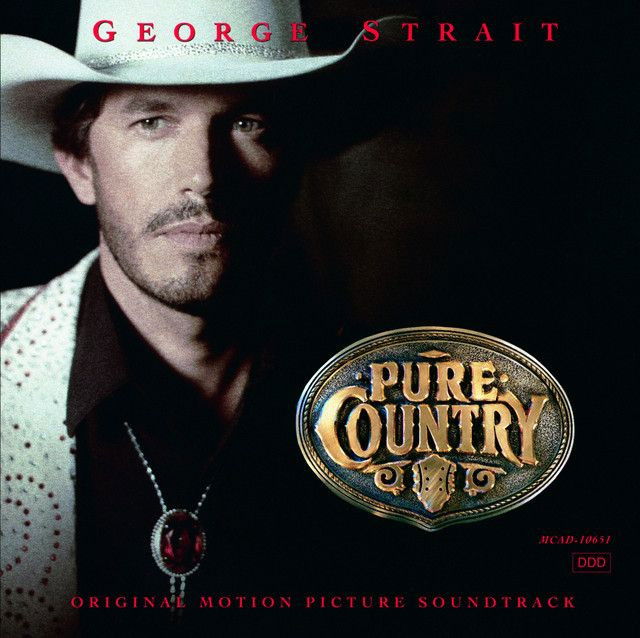
George Strait did not write “Last in Love,” but they give it a quiet, wounded feeling that makes the song land like lived experience. Written by Glenn Frey and J.D. Souther, the track comes from a line of early-1980s country-pop ballads that blurred the edge between Nashville and California soft rock. In simple terms, the meaning of Last in Love George Strait centers on emotional aftershock: a person is stuck in the echo of a breakup and fears becoming the one left carrying the pain.
"Last in Love" - George Strait
I don't even know if it's raining
But I've been here before
Loading lyrics...
Unable to load lyrics
We're unable to display the lyrics at this time. Please try again later.
The Heart of the Song Is Fear After Love
At its core, the song is about someone who has been through this kind of hurt before. The opening image, Blues outside my door
, sets the mood right away. The lyric does not need to confirm literal rain; it suggests sadness has returned and is waiting outside, ready to come in.
That matters because the singer is not just sad in the present. They are also bracing for old pain to repeat. When the narrator says they have been here before and do not want to return to that place, the song frames heartbreak as a cycle, not a one-time event.
Interpretation: “Last in Love” is less about the breakup itself than the lonely role that follows it. The “last in love” seems to mean the person whose feelings remain after the relationship has emotionally ended.

Watch the official Last in Love
music video
A Narrator Trapped Between Apology and Memory
The verses move between two pressures. First, there is guilt. The line All I can say is “I’m sorry”
shows a speaker who knows damage was done, whether by mistake, distance, or emotional failure.
Second, there is public embarrassment. The phrase all over town
hints that private pain has become social talk. That gives the song a small-town country tension: heartbreak is not only personal, it is witnessed.
The emotional timeline in brief
- They feel sadness returning.
- Old memories come back uninvited.
- They admit fault, or at least regret.
- The relationship seems stuck in a painful loop.
- The chorus turns that pain into a lonely identity: the one still loving.
This structure helps explain why the song feels circular. Memory keeps interrupting the present, so the narrator cannot cleanly move on.
Voices, Wind, and Teardrops: The Song’s Key Symbols
One of the strongest images is voices on the wind
. In plain language, the singer hears reminders of the first love, or first wound, drifting back from the past. These are not real voices so much as emotional flashbacks.
Another recurring image is teardrops “falling” for the title figure. The song never overexplains that picture, and that is part of its power. Tears become weather, almost like the grief is happening outside the body as much as inside it.
Far away and clear
You can hear the teardrops
Falling for the last in love
That short passage captures the song’s strange beauty. Something distant is also painfully vivid. The relationship may be over, yet the hurt sounds close enough to hear.
What the Chorus Really Means
The title phrase is the song’s emotional key. In everyday speech, people often think of being “in love” as mutual. This song breaks that balance. One person may have already detached, while the other remains the final believer.
Interpretation: the “last in love” can mean one of two things:
- the person left loving after the partner has moved on
- the final person to admit the relationship is really ending
Those two readings can exist together. That ambiguity is why the chorus lingers. It describes both devotion and defeat at once.
How George Strait’s Style Changes the Meaning
George Strait is best known as a country traditionalist, especially in songs that helped define his image in the 1980s. Even articles on other hits note how strongly his identity is tied to Texas realism and plainspoken delivery, such as American Songwriter’s discussion of how they personalized “All My Ex’s Live in Texas.” That same grounded approach helps here too.
On “Last in Love,” they do not oversing. The vocal is controlled, almost conversational, and that restraint makes the regret feel believable. Instead of turning the song into a dramatic breakdown, Strait lets the ache sit in the pauses.
Production and instrumentation
The arrangement supports that reading. The track leans on soft electric piano, gentle rhythm, and a smooth, slow tempo rather than hard honky-tonk attack. That sound places the song near the country-pop crossover lane that also fit its writers, Glenn Frey and J.D. Souther, both central figures in the Southern California songwriting world.
Because the music is so calm, every sad image hits harder. The band leaves room for the voice, and the voice leaves room for uncertainty.
Why the Song Still Connects
Part of the lasting appeal is how ordinary the language is. There are no flashy twists, just familiar feelings: shame, apology, memory, and the fear of caring more than the other person. Many listeners know that exact imbalance.
The song also avoids easy blame. The narrator may have caused the hurt, or they may simply be trapped in its aftermath. That openness invites listeners to place their own story inside it.
Final Take on the Meaning
The meaning of Last in Love George Strait is about being emotionally stranded after a relationship breaks apart. It turns heartbreak into atmosphere: wind, rain, night, and tears all blur together until loss feels like weather they cannot escape.
Interpretation: the song’s deepest sting is not just losing love. It is realizing love may continue in only one heart.
Disclaimer: This interpretation is based on the lyrics, recording style, and available songwriting context. As with most songs, listeners may hear different meanings in the same lines.







