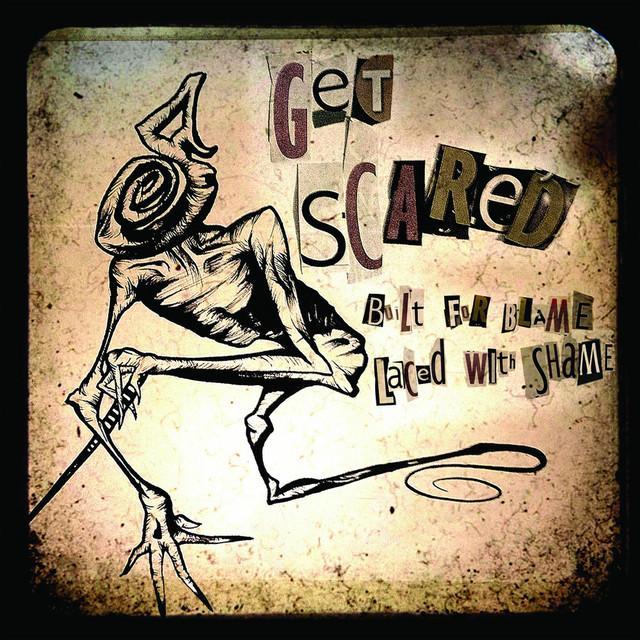
Cynical Skin by Get Scared
The meaning of Cynical Skin Get Scared starts with a harsh truth: this is a song about damage people can see, damage they hide, and damage they finally recognize in themselves. Get Scared frames that idea like a twisted display case. The verses point at other people’s struggles, but the real shock comes when the singer realizes the same pain lives in the mirror.
"Cynical Skin" - Get Scared
Come on
Come on
Loading lyrics...
Unable to load lyrics
We're unable to display the lyrics at this time. Please try again later.
Released first as a single on January 9, 2012, and later included on Built for Blame, Laced with Shame, the track marked Get Scared’s first release with vocalist Joel Faviere and was produced by Erik Ron, according to the EP’s documented background and credits at Wikipedia. That lineup change matters, because the song already feels unstable, theatrical, and emotionally raw.
A Song That Turns Judgment Inward
At first, the lyrics sound like a cruel tour through a room full of broken people. The song points to different “exhibits,” each one showing another form of pain. One person is barely holding it together. Another has wealth but no peace. A third is described through body-image obsession and media pressure.
Then the song lands its key reveal: me in the mirror
. That moment changes everything. What sounded like judgment becomes confession. The singer is not above these people at all. They are part of the same mess.
Interpretation: this is why the title matters. “Cynical skin” suggests a hard outer layer—sarcasm, attitude, cruelty, detachment—that covers something much softer and more wounded underneath.
Watch the official Cynical Skin
music video
The Chorus Warns Against Emotional Burial
The chorus is the clearest statement in the song. It tells the listener they are lost but never found
, then pushes the image further with six feet below the ground
. That is not just dramatic wording. It makes avoidance feel like self-burial.
Instead of healing, the song says people dodge pain and sink deeper into it. The final twist is important too: first they avoid their problems, then they will never solve them. That shift turns the chorus from observation into warning.
Look oh look around, you're lost
Six feet below the ground
Those lines show how the song sees denial. It is not temporary. It becomes a trap.
The “Exhibits” Show Different Kinds of Harm
One of the song’s smartest writing choices is the exhibit structure. It feels like the singer is walking through a museum of modern damage. Each figure stands for a different pressure.
Exhibit A and B: chaos and emptiness
The early exhibits show people who seem very different, yet both are suffering. One is plainly not okay. Another has money money money
, but the song treats that as no protection at all. Wealth cannot fix fear, confusion, or emotional collapse.
That detail keeps the song from becoming too simple. It argues that pain cuts across social status.
Exhibit C: body image and media pressure
The song gets most specific when it points to someone obsessed with magazines
. That image connects beauty standards, comparison, and self-harm. Then the mirror reveal ties those pressures directly to the singer.
Interpretation: this section can be read as a critique of how image culture teaches people to hate themselves while pretending it is normal. The horror is not only what the singer sees in others, but how familiar it feels.
Sound and Delivery Make the Message Hit Harder
Because Get Scared worked in post-hardcore, emo, and alternative rock on this 2012 EP, the song’s meaning is carried as much by the performance as by the words, as reflected in the release’s genre notes at Wikipedia. The guitars feel tense and jagged rather than warm. The drums push forward with urgency. The vocal style swings between taunting and unraveling.
That matters because the song is built on instability. When the singer sounds mocking, the listener hears the cynical shell. When the voice cracks or strains, they hear the fear underneath. Erik Ron’s production helps preserve both sides: the sharp attack of a heavy song and the emotional exposure of a confession.
A Bridge About Hair, Roots, and Identity
Late in the track, the imagery shifts. The song mentions knots, roots, and being told not to think of yourself as nothing. Those details sound smaller and more personal than the earlier exhibit scenes.
Interpretation: this part may suggest identity itself has become tangled. “Roots” and “puzzle pieces” hint at trauma running deep, while knots suggest a life that cannot be neatly combed out or fixed on the surface. In that light, “skin” is only the outer layer; the real struggle is underneath.
The repeated admission of being out of control
also matters. It is both a breakdown and a strange moment of honesty. By the end, when control is claimed again, the song does not sound fully healed. It sounds like someone trying to seize power in the middle of panic.
Why the Song Still Connects
Part of the meaning of Cynical Skin Get Scared is that it captures a very teenage and young-adult fear: what if the people they pity, judge, or fear are really versions of themselves? That idea still lands because the pressures in the song—appearance, money, dysfunction, denial—have not gone away.
The track also sits at an important point in the band’s history. It introduced Joel Faviere as the new voice of Get Scared before Built for Blame, Laced with Shame arrived on August 28, 2012, a period the band itself described as a natural fit with producer Erik Ron and Grey Area Records, according to the background summarized at Wikipedia. That transitional energy fits the song’s unstable identity.
Final Take on the Song’s Meaning
In the end, “Cynical Skin” is about self-recognition inside a culture of damage. It starts as a spectacle of other people’s pain, then reveals that the singer is trapped in the same frame. The song’s great trick is making cruelty sound like defense, and defense sound like fear.
That is why it lingers. Beneath the sarcasm and aggression, Get Scared wrote a song about what happens when people hide hurt under style, performance, and judgment.
Disclaimer: This interpretation is based on the lyrics, the song’s recorded context, and publicly available release information. Like most songs, “Cynical Skin” can support more than one reading.








