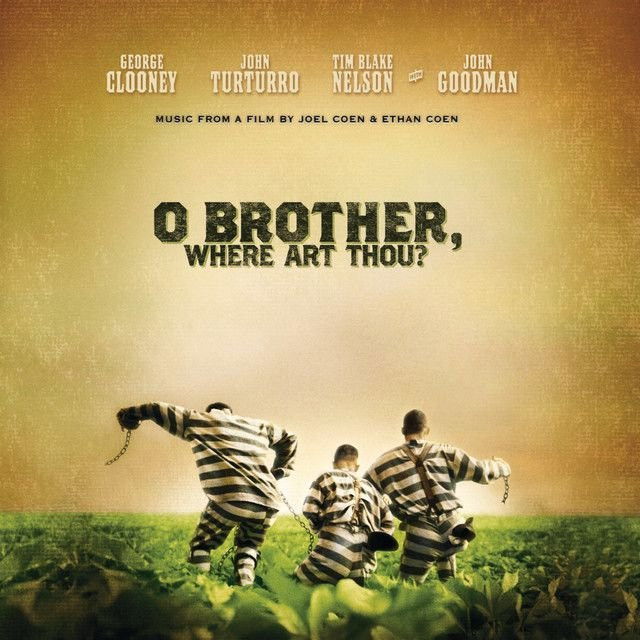
Why 'I'll Fly Away' Still Feels Like Freedom
The meaning of I'll Fly Away Gillian Welch, Alison Krauss starts with a simple promise: death is not the end, but a release into peace. Their version of the old gospel standard does not sound heavy or fearful. Instead, they sing it with calm faith, turning a song about mortality into one about freedom.
"I'll Fly Away" - Gillian Welch, Alison Krauss
I'll fly away
To that home on God's celestial shore
Loading lyrics...
Unable to load lyrics
We're unable to display the lyrics at this time. Please try again later.
Written by Albert E. Brumley in 1929, I'll Fly Away
has become one of the best-known gospel songs in American music. Welch and Krauss did not write it, but their performance gives it fresh emotional life. They lean into the song's tenderness, not just its certainty, which helps modern listeners hear both comfort and sorrow at once.
A Gospel Song About Death That Refuses Despair
At its core, the song imagines earthly life as temporary and difficult, while heaven is lasting and free. Early on, the singer looks ahead to a bright morning
, suggesting a new beginning rather than an ending. That image matters because it frames death as dawn, not darkness.
The chorus repeats the desire to fly away
, a phrase that sounds light and almost childlike. In plain terms, the song says that the soul will leave pain behind and rise to a better home. That belief is deeply Christian, but the emotional idea is wider than doctrine: many people hear in it a wish for rest after struggle.
Interpretation: Even for listeners who are not religious, the song can feel moving because it turns fear into motion. Instead of standing still before death, the singer imagines lifting off.

Watch the official I'll Fly Away
music video
How the Verses Build a Picture of Release
The song's verses are direct, but each adds a new piece to its message. One verse speaks of the shadows of this life
, which suggests grief, hardship, and uncertainty. Another compares earthly existence to confinement, using the image of prison walls
to describe suffering.
That prison image is one of the song's strongest ideas. It does not only point to physical death. It can also suggest poverty, labor, sorrow, illness, or any burden that makes life feel narrow. When the singer imagines escape, the song becomes a spiritual statement and a social one at the same time.
Later, Brumley adds a more physical symbol of oppression: cold iron shackles
. The line is brief, but it brings weight to the song. Heaven is not only abstract joy; it is freedom from restraint.
Just a few more weary days
and then the singer expects lasting joy.
That short passage sums up the song's emotional logic. Life is tiring, but the weariness is temporary. Hope survives because suffering has an end point.
Why Welch and Krauss Make It Sound So Human
A lot of versions of "I'll Fly Away" aim for communal energy. Gillian Welch and Alison Krauss, by contrast, often bring intimacy to traditional material. Both artists are closely tied to roots music, bluegrass, and American folk traditions, and their voices carry a plainspoken honesty that suits Brumley's writing.
Krauss is known for her pure, controlled tone, while Welch often sings with a weathered, earthbound stillness. Together, they create a balance between polish and ache. That matters for meaning: the song is about heaven, but their voices keep it connected to ordinary human pain.
Their arrangement also helps. Instead of overdramatizing the message, the instrumentation usually stays light, acoustic, and steady, drawing from the same old-time and gospel sound world both artists know well. That gentle approach lets the lyric's promise land naturally. Listeners are not pushed toward grand emotion; they are invited into quiet trust.
For context, Brumley is recognized by the Gospel Music Hall of Fame as one of the key songwriters in the tradition, and Krauss's career has long connected bluegrass with a wider audience through work documented by the Grammy Awards. Those histories help explain why this performance feels rooted rather than nostalgic.
The Deeper Meaning of Freedom in the Song
The meaning of I'll Fly Away Gillian Welch, Alison Krauss is not only about getting to heaven. It is also about naming life as hard without losing hope. The lyrics admit fatigue, sadness, and limitation. But they refuse to let those things have the final word.
This is why the bird image is so effective. Birds suggest grace, ease, and a natural movement upward. Against images like shackles and prison walls, flight becomes the perfect opposite. The whole song is built on that contrast:
- earth versus heaven
- weight versus lift
- bondage versus freedom
- passing time versus eternity
That structure keeps the song simple, but not shallow. Every verse returns to the same emotional truth from a slightly different angle.
Reception, Tradition, and Lasting Power
Part of the song's staying power comes from how adaptable it is. It works in church, at funerals, in bluegrass jams, and on film soundtracks. Many listeners first meet it during moments of grief, which gives it a personal charge beyond its melody.
Welch and Krauss fit that tradition well because they do not treat the song like a museum piece. They sing it as living music. Their version reminds listeners that old gospel songs endure not just because they are famous, but because they answer old human needs: comfort, release, reunion, and peace.
What the Song Finally Leaves Behind
In the end, they present death not as defeat but as homecoming. The song's repeated promise of flight turns loss into movement and fear into hope. That is why it continues to resonate across generations.
Interpretation: Some listeners will hear firm religious belief; others will hear a broader longing to be free from pain. Both readings can live inside the same performance.
This article offers an interpretation based on the lyrics, performance, and historical context. Song meaning can remain personal, and different listeners may hear it differently.









