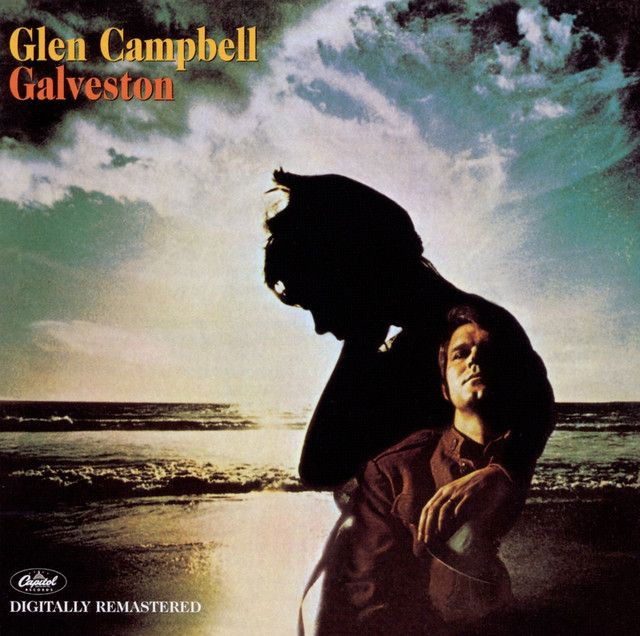
Why 'Time' by Glen Campbell Feels So Human
The meaning of Time Glen Campbell comes through in a simple but powerful way: it is a song about how uneven life feels, and how quickly the good moments seem to vanish. Rather than telling one clear story, the lyric gathers small truths about people, moods, and daily experience, then turns them toward one aching question: where did the time go?
"Time" - Glen Campbell
Some people don't even move at all
Some roads lead forward, some roads lead back
Loading lyrics...
Unable to load lyrics
We're unable to display the lyrics at this time. Please try again later.
That directness is why the song lands. It does not pretend life is tidy. It notices that some people push ahead, some stay stuck, and many simply pass by without much connection. From there, the chorus turns reflection into loss.
A Song Built on Life's Contrasts
One of the smartest things in the writing is how often it uses opposites. Early lines compare people who run with people who crawl, and roads that move ahead with roads that lead back. The song also contrasts paths bathed in light with ones hidden in darkness.
Those details matter because they frame life as a series of mixed conditions, not one stable reality. In other words, the speaker is not just observing the world. They are trying to make sense of how everything can feel so different from one moment to the next.
Interpretation: This is the heart of the meaning of Time Glen Campbell. The song suggests that time is hard to grasp because life itself is inconsistent. Joy and pain, motion and paralysis, connection and indifference all exist at once.
Watch the official Time
music video
The Chorus Turns Observation Into Heartbreak
After all those snapshots of human behavior, the chorus strips the feeling down to one plain plea: good, good time
and Where did you go?
The wording is simple, but that simplicity gives it weight.
The phrase sounds less like philosophy and more like grief. The speaker is not arguing with time. They are mourning it. By calling for "good" time specifically, the song hints that pleasant seasons feel shortest when viewed in hindsight.
That is what makes the hook memorable. It reframes the verses: all those contrasts are not random observations. They are the evidence behind a larger feeling that life keeps changing before anyone can hold onto it.
Who the Speaker Seems to Be
The lyric uses a personal voice, but the experiences feel universal. When the song says some people treat them badly and others with kindness, it presents the speaker as an ordinary person moving through a mixed world.
They are not above the crowd, and they are not fully apart from it either. Most people, the lyric says in effect, just keep moving and barely notice them. That detail adds loneliness to the song’s meditation on time.
A Voice Between Hope and Weariness
Later, the song shifts inward. The speaker admits that sometimes they feel content and sometimes they do not. They move through physical and emotional extremes, from feeling cold to hot, from laughing at sunset to crying at sunrise.
At sunset I laugh
at sunrise I cry
This brief turn inward matters because it shows time not only as something measured by clocks, but as something felt inside the body. The song maps hours of the day onto emotional instability.
What the Images Say About Time
The song uses plain images, but they carry a lot of meaning:
- Roads suggest life choices and direction.
- Light and black suggest hope versus fear, or clarity versus confusion.
- Sunset, sunrise, midnight suggest the cycle of a day, and by extension the cycle of a life.
- Heat and cold suggest changing emotional states that cannot be controlled.
Interpretation: Midnight may be the most revealing image. When the speaker says they are in between and wondering why, the song captures a suspended state—neither joy nor despair, neither beginning nor ending. That feeling of being "between" is central to the song’s view of time.
How the Writing Style Supports the Meaning
The song was written by Ben Andrew, Charlie Noordewier, Harry Youngs, Max Williams, and Tom Booth, according to the information provided. Its country style fits the message well because country music often works best when it turns large emotions into everyday language.
Here, the writers avoid complicated symbolism. Instead, they rely on repeated sentence patterns—"some people," "some roads," "sometimes"—to create rhythm and accumulation. That structure makes the listener feel how many different versions of life pass by over time.
The rhyme and repetition also help the song sound conversational. Even without elaborate poetry, the lyric builds momentum until it reaches the chorus, where the emotional point becomes clear.
How the Sound Likely Carries the Message
As a country song, "Time" works best when imagined with space around the vocal, steady rhythm, and an arrangement that lets the words lead. That kind of production would support the lyric’s reflective tone rather than overpower it.
Interpretation: If the performance leans warm and restrained, that would deepen the sense of memory and regret. A more intimate vocal would make lines like Sometimes I'm satisfied
feel confessional rather than dramatic.
This matters because the song’s power is not in plot twists. It is in tone. The listener needs room to sit with the contrasts and feel the chorus open into longing.
The Deeper Meaning of "Time" by Glen Campbell
In the end, the meaning of Time Glen Campbell is about more than aging. It is about living in a world where everything changes: people, moods, relationships, and even the self. The song notices those changes with calm honesty, then admits how painful it is to realize that the best moments cannot be kept.
That is why the song feels so human. It does not offer answers. It simply names a truth many people know: life moves in opposite directions at once, and time keeps slipping ahead anyway.
Disclaimer: This interpretation is based on the lyrics provided and general genre context. As with any song, listeners may hear different meanings in it.








