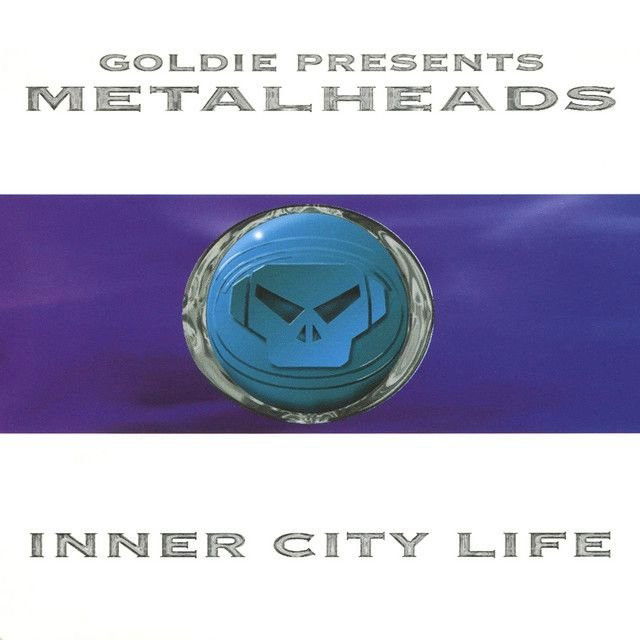
How Goldie Turned City Stress Into Grace
The meaning of Inner City Life Goldie comes down to a powerful tension: daily pressure versus the need for release. Goldie’s classic does not tell a detailed story with named characters or events. Instead, it captures a feeling many people know well—being surrounded by noise, stress, and emotional weight, yet still reaching for love, calm, and freedom.
"Inner City Life" - Goldie
Inner-city pressure
Inner-city life
Loading lyrics...
Unable to load lyrics
We're unable to display the lyrics at this time. Please try again later.
Released in 1994 as Goldie’s first single from Timeless, the song featured Diane Charlemagne and became one of the defining tracks of jungle and drum and bass, later earning praise from outlets like NME, Rolling Stone, and Billboard for its lasting impact on dance music.
The Heart of the Song Is Pressure Versus Shelter
At its core, the track sets up a simple but moving contrast. On one side is inner-city pressure
, a phrase that suggests social strain, mental overload, and the wear of urban life. On the other side is the promise of emotional refuge, especially through love.
That is why the lyric feels so direct. The singer does not describe the city in detail; they name its force and then answer it with resistance. When the song says I won't let go
, it sounds like a refusal to be swallowed by stress. The line is not just romantic devotion. It also feels like survival.
Interpretation: the song presents love as a counterweight to an environment that can make people feel trapped, exhausted, or disconnected.

Watch the official Inner City Life
music video
A Small Lyric, A Huge Emotional World
The lyrics are brief, but they carry a lot. The repeated line inner-city life
works almost like a headline. It points to a whole lived reality: crowded streets, pressure, instability, and the need to keep moving.
Then the song shifts toward longing. Phrases like open arms
and livin' free
introduce another emotional space. Instead of confinement, they suggest welcome and release. Instead of hard edges, they offer softness.
This is one reason the song still hits so hard. It does not over-explain itself. It lets a few words stand in for a wider emotional truth.
Inner-city life
Inner-city pressure
taking over me
Those lines summarize the basic conflict. The city’s strain feels invasive, but the rest of the song pushes back against total defeat.
Who Is Speaking, and To Whom?
The voice in the song feels personal, even though the message is broad. They seem to speak both to a loved one and to themselves. That dual meaning matters.
When the singer reaches toward another person, the song sounds intimate. When they ask for freedom and closeness, it can be heard as a plea for safety. But when those same words are heard against the backdrop of city pressure, they also sound like self-preservation.
Interpretation: the “you” in the song may be a romantic partner, but it may also represent a larger idea—peace, belonging, or spiritual shelter.
Why the Sound Changes the Meaning
Goldie’s production is a major reason the song means so much to listeners. According to widely cited accounts of the track, it fused jungle breakbeats and deep bass with orchestral textures and soulful vocals, helping expand what the genre could express.
That mix matters. The drums move fast and feel unsettled, which mirrors urban tension. The bass gives the song physical weight, almost like pressure in the chest. Above that, Charlemagne’s voice floats with warmth and ache, creating a human center inside the storm.
Critics at the time noticed exactly that contrast. Music Week praised the combination of soaring vocals, plunging bass, and ambient sweeps, while Melody Maker and others highlighted the emotional pull of the strings and vocal performance.
Goldie’s Context Helps Explain the Song
Goldie, born Clifford Joseph Price, was already pushing jungle into more ambitious territory when this single arrived. Inner City Life formed part of the long opening suite on Timeless, showing that he was thinking beyond a standard club track.
He reportedly said he wanted a wide sense of euphoria in the music, and he also spoke about how radio was slow to embrace it. That resistance makes sense historically: the song was not easy to categorize. It was dance music, but it was also melancholy, cinematic, and openly emotional.
That is part of why it became so important. As DJs and critics later noted, it showed drum and bass could be deep, beautiful, and emotionally rich, not just functional dancefloor music.
Two Strong Readings of the Song
There are at least two persuasive ways to hear it:
- Romantic reading: love protects the speaker from the strain of city life.
- Social reading: the song is about finding dignity and inner calm under urban pressure.
Both fit the lyrics. The phrase I need to be your love
sounds deeply personal, yet in the wider frame of the song it also feels like a need for connection itself.
That ambiguity is one of the track’s strengths. It is specific enough to feel intimate and open enough to feel universal.
Why It Still Feels Modern
The meaning of Inner City Life Goldie still connects because the subject has not aged. Urban pressure, emotional burnout, and the search for tenderness remain familiar themes.
The production also still feels striking. Even decades later, the blend of restless rhythm and aching melody sounds modern because it captures a timeless emotional split: people want to survive the world without becoming numb to it.
In that sense, the song is not only about the city. It is about staying emotionally alive inside systems that make that difficult.
Final Take
Goldie’s song turns a few simple lines into a rich emotional statement. It says that pressure is real, but so is the need for love, freedom, and refuge.
That is why the track lasts. It does not pretend city life is easy, yet it refuses to end in despair. Interpretation disclaimer: this reading is based on the lyrics, production, and public context around the song, but meaning in music always remains open to personal interpretation.








