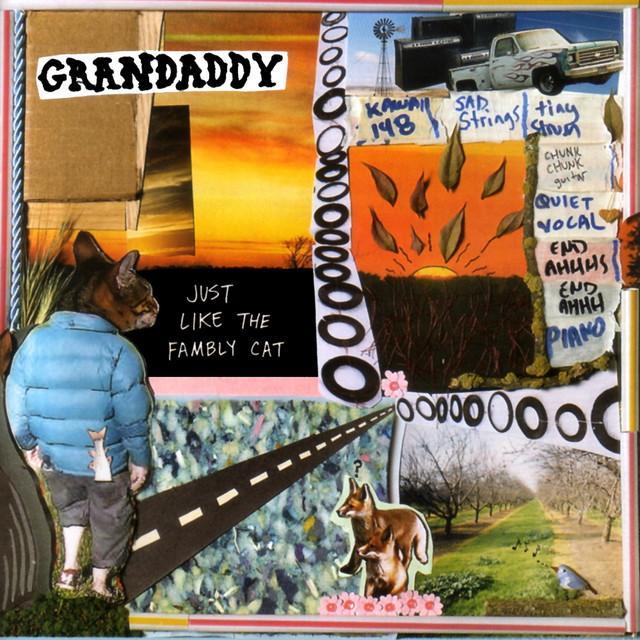
Why Grandaddy's "Summer... It's Gone" Hurts
The meaning of Summer... It's Gone Grandaddy comes down to a simple but painful idea: a bright season has ended, and the person left behind does not know what comes next. Grandaddy, led by Jason Lytle, have long built songs out of loneliness, fading nature, and modern-life burnout, as heard across the band's catalog documented by AllMusic and NME. This song fits that emotional world perfectly.
"Summer... It's Gone" - Grandaddy
Where everyone went or where I'll go
Summer... it's gone and I don't know
Loading lyrics...
Unable to load lyrics
We're unable to display the lyrics at this time. Please try again later.
Instead of telling a detailed story, they sketch a mood. The opening thought, Summer... it's gone
, is not just about weather. It feels like the end of ease, youth, warmth, or belonging. From the start, the speaker sounds stranded.
The Song's Core Feeling Is Emotional Aftermath
At the center of the song is confusion after loss. The narrator says they do not know where everyone went or where they will go. That makes the song feel less like a breakup diary and more like a portrait of drift.
Interpretation: summer works as a symbol for any good period that has passed. It could be a relationship, a community, a creative spark, or a sense of purpose. What matters is the emptiness that follows.
The line about not knowing which way
to go sharpens that point. This is a song about being left without a map. Even when the speaker senses direction, they cannot fully trust it.
Watch the official Summer... It's Gone
music video
A Voice Looking for Direction
One of the song's most important details is the dream image. In sleep, the speaker hears voices saying Look this way!
That suggests some part of them knows there may be help, clarity, or a better path.
But they still turn away. First, they say they cannot see anything. Later, they say the thing before them is all too lovely
. Those are two different reasons, and that difference matters.
Why They Turn Away Anyway
At first, the turn away seems caused by blindness or fear. Later, it seems caused by the opposite: beauty itself is overwhelming. In other words, the song suggests that hurt can make people reject both darkness and hope.
Interpretation: they may avoid healing because it feels unreal, risky, or undeserved. That is one of the saddest ideas in the track. The speaker is not just lost; they may be resisting rescue.
Roads, Dead Ends, and a Broken Social World
After refusing the voices, the song moves through images of failed motion: roads, dead ends, holes, cars that do not run. Everything points toward stalled progress.
These are classic Grandaddy images. Jason Lytle's writing often places human sadness inside landscapes of machines, roads, and worn-down systems, a quality often noted in coverage of the band such as Pitchfork's reviews and features. Here, movement exists in theory, but not in practice.
The people around the speaker are also bleakly drawn. There are crowds of fools
, people with common colds, people living in cars, people fighting with phones, people who despise the sun
. The details are almost absurd, but that is the point.
What Those Strange Details Suggest
These images make the world feel sick, cramped, and spiritually tired. The cold hints at low-level misery. The cars suggest instability and stuckness. The phones suggest distraction and conflict. Hating the sun suggests turning against warmth itself.
Interpretation: the song is not only personal. It also reads like a weary glance at modern life, where people are surrounded by tools and noise but still cannot move forward.
How the Repetition Deepens the Meaning
The chorus keeps returning to the loss of summer, and by the end the phrase is repeated again and again. That repetition matters because it changes the line from observation into acceptance.
At first, it's gone
sounds stunned. By the close, it sounds final. The song does not offer a clean solution or emotional turnaround. Instead, it lets the listener sit inside the fact of disappearance.
That choice fits Grandaddy's style. Their best songs often resist neat closure, allowing atmosphere and repetition to carry the emotional truth rather than a plot twist or big confession.
How the Sound Likely Carries the Message
Grandaddy are an alternative band known for blending soft melodic writing with spacey keyboards, fragile vocals, and slightly dusty production textures, as summarized by Britannica and AllMusic. Even without unpacking every production detail, the lyric structure here points toward a slow, meditative arrangement.
The repeated phrases leave room for echo, atmosphere, and emotional weight. A gentle but worn sound would suit the song's mood: not explosive grief, but drained confusion. That matters because the song is less about drama than numb recognition.
Why the Delivery Matters
If the vocal feels plain or resigned, that would strengthen the lyric's realism. A huge performance might push the song toward melodrama. Grandaddy usually do the opposite. They make sadness sound ordinary, which often makes it hit harder.
The Best Way to Read the Song
The meaning of Summer... It's Gone Grandaddy is easiest to understand as a song about the end of a life-giving phase and the paralysis that follows. It captures the moment when guidance exists, but the listener cannot quite accept it; when the world is still there, but it looks broken.
A second reading is also possible. Interpretation: the song may describe depression itself. In that view, summer is not a season that ended outside the speaker, but an inner warmth that has disappeared.
Either way, the song's power comes from how little it forces. It does not explain everything. It simply shows a person at the edge of change, unable to step forward.
Disclaimer: This interpretation is based on the lyrics, Grandaddy's broader artistic style, and publicly available band context. Song meanings can remain open, and listeners may hear something different in it.







