White Lines by Grandmaster Flash & The Furious Five
The meaning of White Lines Grandmaster Flash & The Furious Five starts with a contradiction: the song sounds exciting, but its story is deeply uneasy. Released in 1983 and credited to Grandmaster Flash & The Furious Five, the track turns the language of temptation into a warning about cocaine, addiction, class, and the systems around drug culture.
"White Lines" - Grandmaster Flash & The Furious Five
Rock
Bass
Loading lyrics...
Unable to load lyrics
We're unable to display the lyrics at this time. Please try again later.
Rather than preach in a flat way, they make the danger feel seductive first. That is why the song still lands. It shows how a high can look glamorous, social, and powerful before the cost becomes clear.
A Hit About Temptation, Not Celebration
On the surface, the song is full of motion, desire, and rush. Phrases like vision dreams of passion
and higher, baby
sound almost euphoric. But the point is not approval. The track mimics the voice of temptation so listeners can hear how the drug sells itself.
That is the key to the song’s structure. It keeps pulling between thrill and damage. When the record says high price
, it is not just talking about money. It points to mental damage, social collapse, and the way addiction keeps demanding more.
Interpretation: The song works like a dramatized warning. Instead of simply saying cocaine is bad, they stage the pitch, the rush, and the crash.
Watch the official White Lines
music video
How the Verses Build the Warning
The lyrics move through a clear chain of consequences. First, the drug appears as a fast road to pleasure. Then it becomes a trap that drains money, control, and thought. The famous image of the white line highway
turns cocaine into a road that feels open but leads only one way.
A later verse sharpens the warning by saying users have nothin' to gain
except damage. That line is blunt on purpose. After all the shiny language, the song cuts to the emptiness underneath the habit.
There is also a social angle. One verse contrasts a street kid who gets punished with a businessman who escapes real consequences. That shift matters. The song is not only about private weakness. It is also about unequal justice, where poor people suffer visibly while wealth can buy distance from punishment.
The Chorus Makes the Message Sticky
The hook is one reason the song became so memorable. The repeated title phrase is catchy, but it also feels ghostly and obsessive. The repetition mirrors compulsion. It keeps circling back, almost like a craving they cannot shake.
That is why the chorus matters so much to the meaning of White Lines Grandmaster Flash & The Furious Five. It is not a break from the story. It is the sound of the story taking over the mind.
Don't you get too high
'Cause you gotta come down
This brief warning is one of the clearest moments in the song. After all the flashy language, they finally say the truth plainly: every rise has a drop, and the drop is part of the danger.
More Than Drugs: A Song About American Contradictions
One reason the track lasts is that it sees drug culture as part of a bigger system. The lyrics mention dealers, consumers, wealthy traffickers, and people caught at the bottom. They also show how money, status, and fantasy all feed the cycle.
In that sense, the song is not just anti-cocaine. It is about how capitalism can make destruction look desirable. If something promises speed, power, confidence, and escape, people may ignore the cost until it is too late.
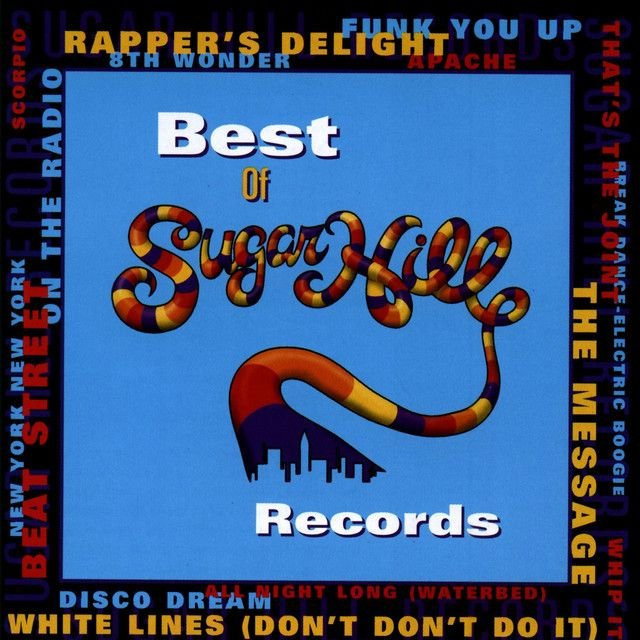
That wider context fits the early 1980s, when cocaine was highly visible in American popular culture and urban communities were dealing with the fallout. The track was released through Sugar Hill Records, a major early hip-hop label documented by the Encyclopaedia Britannica. Its success helped show that rap could address social reality while still crossing into clubs and radio.
Why the Sound Feels So Hypnotic
The production is crucial to the message. Built around a sleek, driving groove associated with post-disco and electro-rap, the song feels cool, mechanical, and relentless. That polished beat creates tension with the warning in the lyrics.
Instead of sounding moralistic, the record sounds seductive. That choice is smart. It lets listeners feel the pull that the words are criticizing. The bassline and repeated chants create a loop with very little emotional release, which suits a song about craving and repetition.
The track is also tied to studio craft associated with producer and co-writer Sylvia Robinson, a central figure in early hip-hop history at the Rock & Roll Hall of Fame. Her presence matters because the song balances rap storytelling with pop-level hooks and dance-floor force.
The Voice Inside the Song
The narrator shifts in a clever way. Sometimes the voice sounds like a user seduced by the drug. Other times it sounds like an observer warning everyone else. That instability is part of what gives the song its bite.
Interpretation: They may be showing how addiction changes perspective. A person can sound thrilled, trapped, defensive, and honest within the same song. That emotional switching makes the message feel real instead of neat.
Final Take
The meaning of White Lines Grandmaster Flash & The Furious Five is that cocaine sells itself as freedom while actually stealing control. The song captures the glamour, the pressure, the inequality, and the crash in one unforgettable loop.
That is why it endures: they made a cautionary song that feels as intoxicating as the thing it condemns.
Disclaimer: This interpretation is based on the lyrics, historical context, and widely discussed themes around the recording. As with any song, listeners may hear different layers of meaning.







