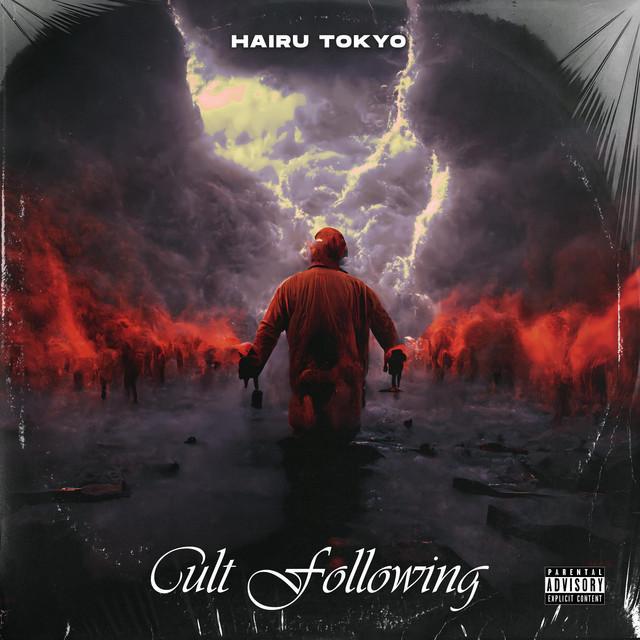
What "chaotic" by Hairu Tokyo Really Means
The meaning of chaotic Hairu Tokyo comes from its collision of crime, religion, and mental unraveling. It does not sound like a simple shock track. Instead, it plays like a horror monologue from someone who believes they are leading people toward truth while sinking deeper into violence and panic.
"chaotic" - Hairu Tokyo
Try to listen closely
You can try to run
Loading lyrics...
Unable to load lyrics
We're unable to display the lyrics at this time. Please try again later.
Because only the lyrics and writer credit were provided, the clearest reading has to come from the words on the page. They suggest a narrator who feels chosen, haunted, and dangerous all at once.
A Voice That Sounds Like Warning and Confession
From the opening, the speaker sounds urgent. The phrase my time is up
feels like a countdown, but it also sounds like a confession arriving too late. They speak as if something final is coming, and everyone nearby needs to hear it.
That urgency gets sharper with you can't control me
. On the surface, it sounds defiant. In context, though, it may point to a mind that no longer answers to reason, morality, or even self-control.
Interpretation: This is one of the song's key tensions. The narrator sounds strong, but that strength may actually be collapse disguised as certainty.
The Story Turns Quickly Into Horror
The verses build a grim plot in fragments. There is a hidden world in a trunk, a dead person no one can explain, and later an image of two body bags in a car. Those details make the song feel cinematic, but not in a glamorous way. It is dirty, panicked, and full of aftermath.
One short phrase, lead you from darkness
, briefly makes the speaker sound like a guide. But the details around it undercut that claim. Their version of guidance is tied to fear, secrecy, and death.
That contradiction matters. The song keeps asking whether the narrator is a prophet, a criminal, or a person so lost that they can no longer tell the difference.
Faith Is Used Like a Weapon
Religious language runs through the track, and it is one of the strongest clues to the meaning of chaotic Hairu Tokyo. The narrator mentions God, the devil, nonbelievers, and a mission that sounds bigger than one person.
When the lyrics point to an army rising
, the image suggests a movement or cult-like force. It is not peaceful. It sounds militant and apocalyptic, as if the speaker believes violence is part of a sacred assignment.
Later, the song invites others to join by drinking from a cup and spreading a message house to house. That sounds like corrupted evangelism. The imagery twists familiar symbols of belief into signs of manipulation.
Interpretation: The song may be warning about false messiahs. The narrator claims to offer salvation, yet everything around them points toward destruction.
The Real Enemy May Be Inside
Midway through, the song becomes more psychological. The narrator describes pressure building until it is too much to handle
. They want to escape, but the voices in their head keep getting louder. This shifts the song from external horror to internal breakdown.
That change is important because it reframes the earlier violence. What first seemed like organized purpose now feels unstable and fragmented. The speaker may not be carrying out a clear plan at all. They may be trapped in delusion, guilt, or a split sense of self.
The command to keep driving while the mind fills with noise gives the song a frantic motion. It feels like someone trying to outrun what they have done and what they have become.
How the Lyrics Build a Descent
A simple way to map the song is this:
- The narrator announces a final warning.
- The song reveals hidden violence and death.
- The speaker claims a mission to guide others.
- Voices and panic expose a collapsing mind.
- The ending expands into cult and apocalypse imagery.
That structure makes the track feel like a descent. It starts with control and ends with corruption laid bare.
Sound and Delivery Likely Matter as Much as the Words
Even without confirmed production credits, the writing strongly suggests a performance style that would shape the meaning. The repeated hook wants emphasis. The violent images call for intensity. The religious lines likely hit harder if delivered with cold conviction rather than emotion.
If the instrumental matches the lyrics, listeners would expect hard dynamics, uneasy atmosphere, and a sense of forward motion. A dense beat, distorted textures, or sudden shifts would all fit the song's unstable world. In that sense, the production would not just support the lyrics; it would mirror the narrator's fractured state.
Two Strong Readings of the Song
A Cult-Leader Nightmare
In one reading, the narrator is a false savior. They claim to rescue people, gather followers, and speak with divine purpose. But their message is soaked in death, ego, and coercion.
A Portrait of Personal Collapse
In another reading, the whole song is the inside of a breaking mind. The armies, whispers, and mission could all be distorted thoughts used to justify terrible acts. Here, religion becomes the language the narrator uses to give chaos a shape.
Both readings fit because the song never fully separates external events from inner experience.
Why the Song Sticks
What makes this track effective is not just its darkness. It is the gap between what the narrator says they are doing and what the listener actually hears. They claim purpose, but the song reveals damage. They offer leadership, but bring fear.
That is the core meaning of chaotic Hairu Tokyo: a portrait of control turning into delusion, and belief turning into danger. The title fits because every layer of the song feels unstable at once.
Disclaimer: This interpretation is based on the provided lyrics and limited song context. Song meaning can be subjective, and listeners may hear different themes in the track.







